

EPIC
OVERVIEW
What is EPIC?
The platform in a nutshell
Choosing a QE Model
Match model to content & risk
EPIC FEATURES
Quality Estimation
Score translations automatically
Automated Post-Editing
Clean up MT output at scale
Retrieval-Augmented Generation
Feed context with glossaries
Specialized Models
Language specific models
USE EPIC
Integrations
Connect with your TMS & Tools
API Docs
Technical docs & API references
EPIC APP
Interactive playground & sandbox
Resources
Blogs
Perspectives from our team
Reports
In-depth industry research
Webinars
Live and on-demand sessions
Case Studies
Real results from real teams

Massively Multilingual AI Conference 2025
Breaking Language Barriers with AI
The future of communication is multilingual. As AI continues to evolve, we’re moving beyond the traditional limits of language technology into a world where virtual agents can communicate fluently in any language. This breakthrough opens new pathways for businesses, governments, and innovators alike—unlocking unprecedented efficiencies and countless new opportunities. What’s next? A world where language barriers no longer exist, and where the power of AI makes us all truly global. A future designed by a convergence of the AI and language industries.
10 - 11 June
Dublin (Ireland)


Massively Multilingual AI Conference 2025
Breaking Language Barriers
with AI
10 - 11 June
Dublin (Ireland)

Program
Overview
Speakers
Contest
Networking
Venue
Day 1
Monday, June 9
Day 2
Tuesday, June 10
Day 3
Wednesday, June 11
Massively Multilingual AI Conference
RSVP required.
Massively Multilingual AI Conference
Welcome, introductions and agenda overview
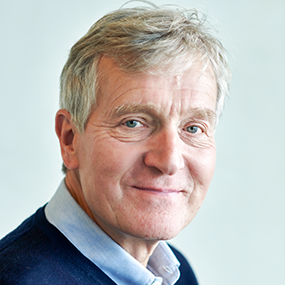
Jaap van der Meer, TAUS
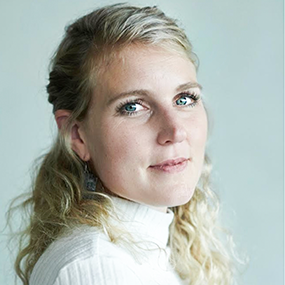
Anne-Maj van der Meer, TAUS
Massive Data Collection for Gemini
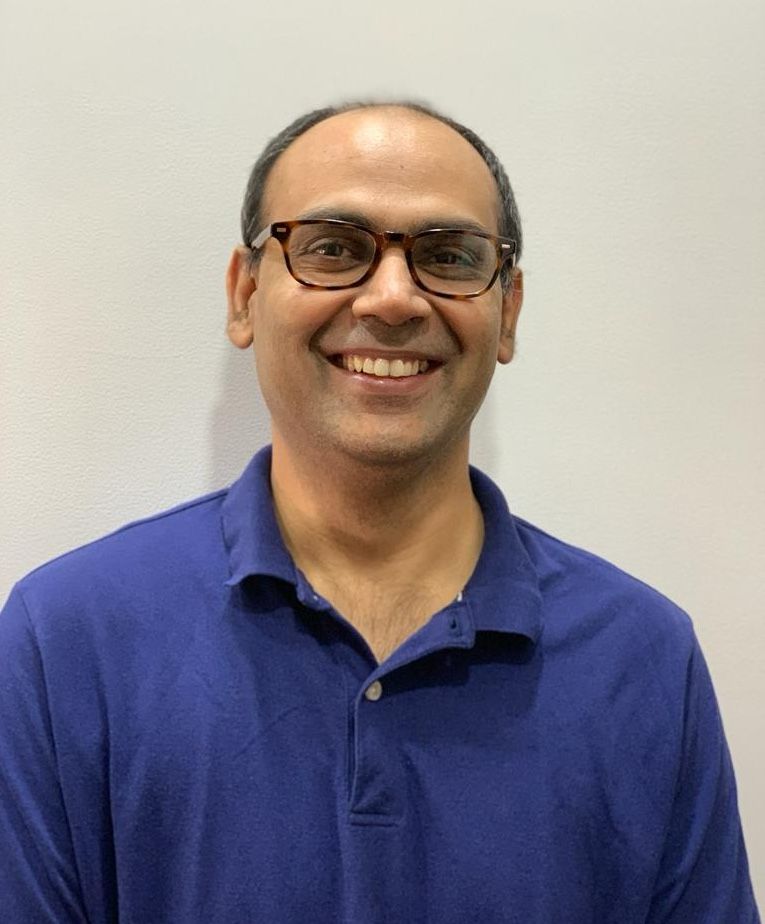
Keynote speaker: Dinesh Tewari, Google Deepmind
Panel hosted by Julie Belião (Mozilla AI)
While global tech is busy building an AI infrastructure for all the world’s languages, cultures and inhabitants, other businesses need to find their place in a rapidly changing economic landscape. In this opening thematic session of the conference we will first get a deeper insight into the scale and complexity of the massive data collection operations on the ground, in India for instance, to ensure that not only AI speaks everyone’s language but that it is also empathetic to the nuances in our local cultural behaviors. We then move to a panel discussion with service and technology providers working on the design of new localization and globalization solutions.
The questions they will address are among others
How can we validate the output of the AI models? Are we in an evaluation crisis?
Even with the massive efforts to collect data in under-represented languages, will we ever be able to remove English bias?
Will geo-political shifts in the world also lead to shifts in AI?
Is there enough training data available for further improvement of AI? Especially when it comes to multilingual data?
How do you see the language industry changing as a result of the convergence with AI? Are there opportunities for language service and technology companies to develop their own special purpose Small Language Models?
Speakers:
Dinesh Tewari, Google Deepmind
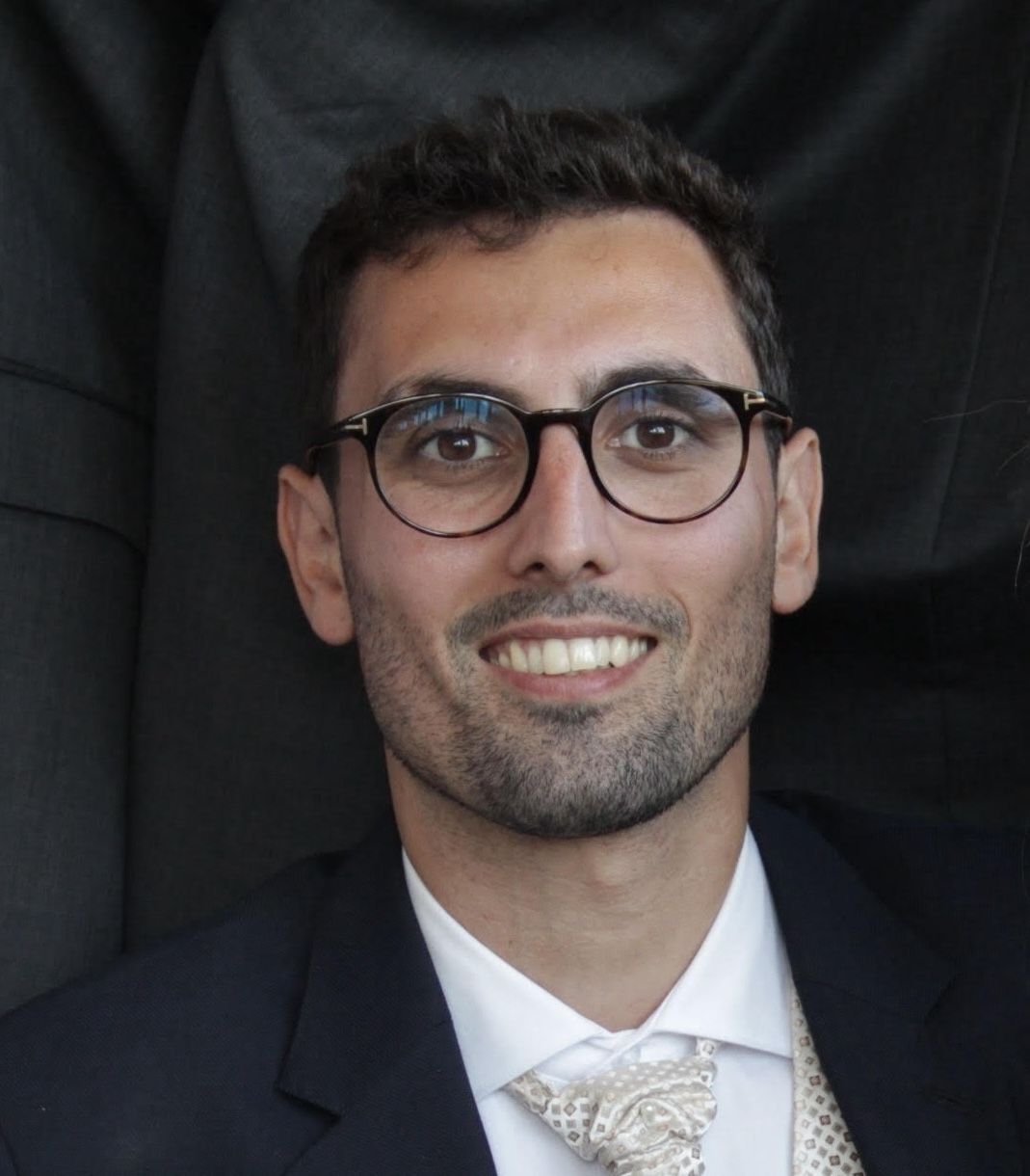
Ricardo Rei, Unbabel

Manuel Herranz, Pangeanic
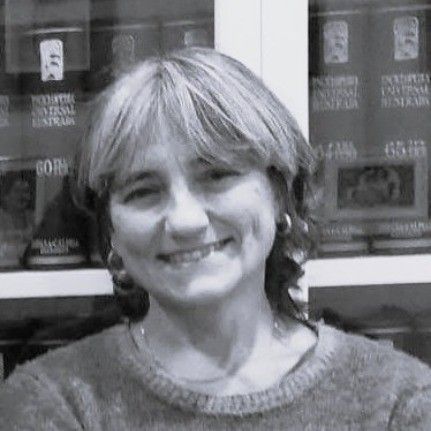
Maite Melero Nogues, Barcelona Supercomputing Center
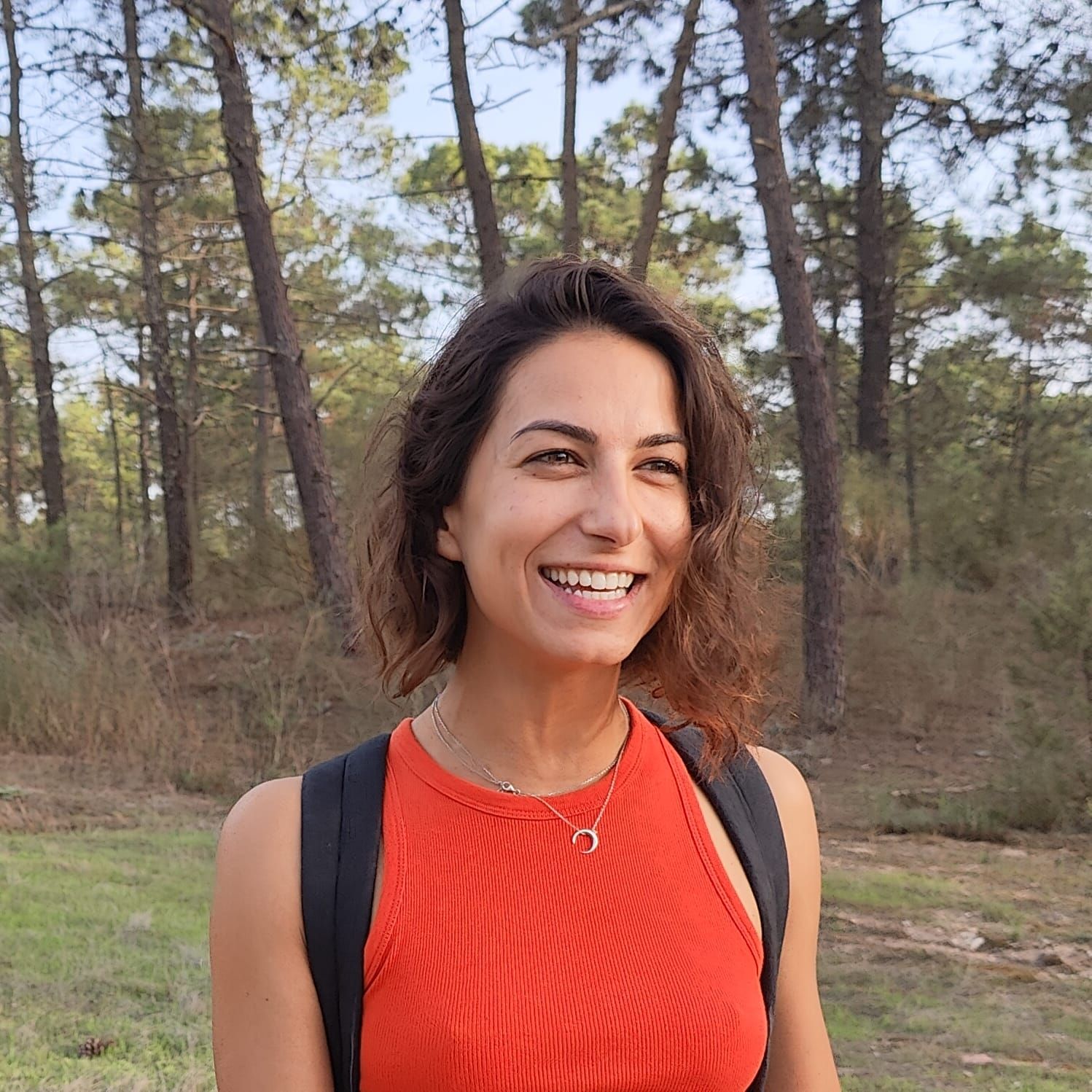
Hosted by: Julie Belião, Mozilla AI

Christian Federmann, Microsoft

Coffee and tea
Panel hosted by Jaap van der Meer (TAUS)
How do the executives in the world’s largest LSPs look at the future of their business? With despair or with optimism? A perfect storm of unprecedented automation and macroeconomic pressure is pushing them to take drastic decisions. The technology is there, ready to replace what was once the bread and butter of their business. If customer adoption remains slow, perhaps there is enough time to make the shift to become GCSPs. But the current global economic pressures may force long-time enterprise customers to seek out new disruptive technology solutions faster with the goal to replace recurring service charges with a near-zero marginal cost infrastructure. Getting the timing right is the biggest challenge if you don’t want to be the Thomas Cook of the translation industry.
A C-level conversation focused on:
Redefining the core of the language business, from services to technology?
Transforming the culture: models versus people skills
Is AI treating all languages equal?
Industry’s future: consolidation, convergence, finding the path for growth
What customers want
Speakers:
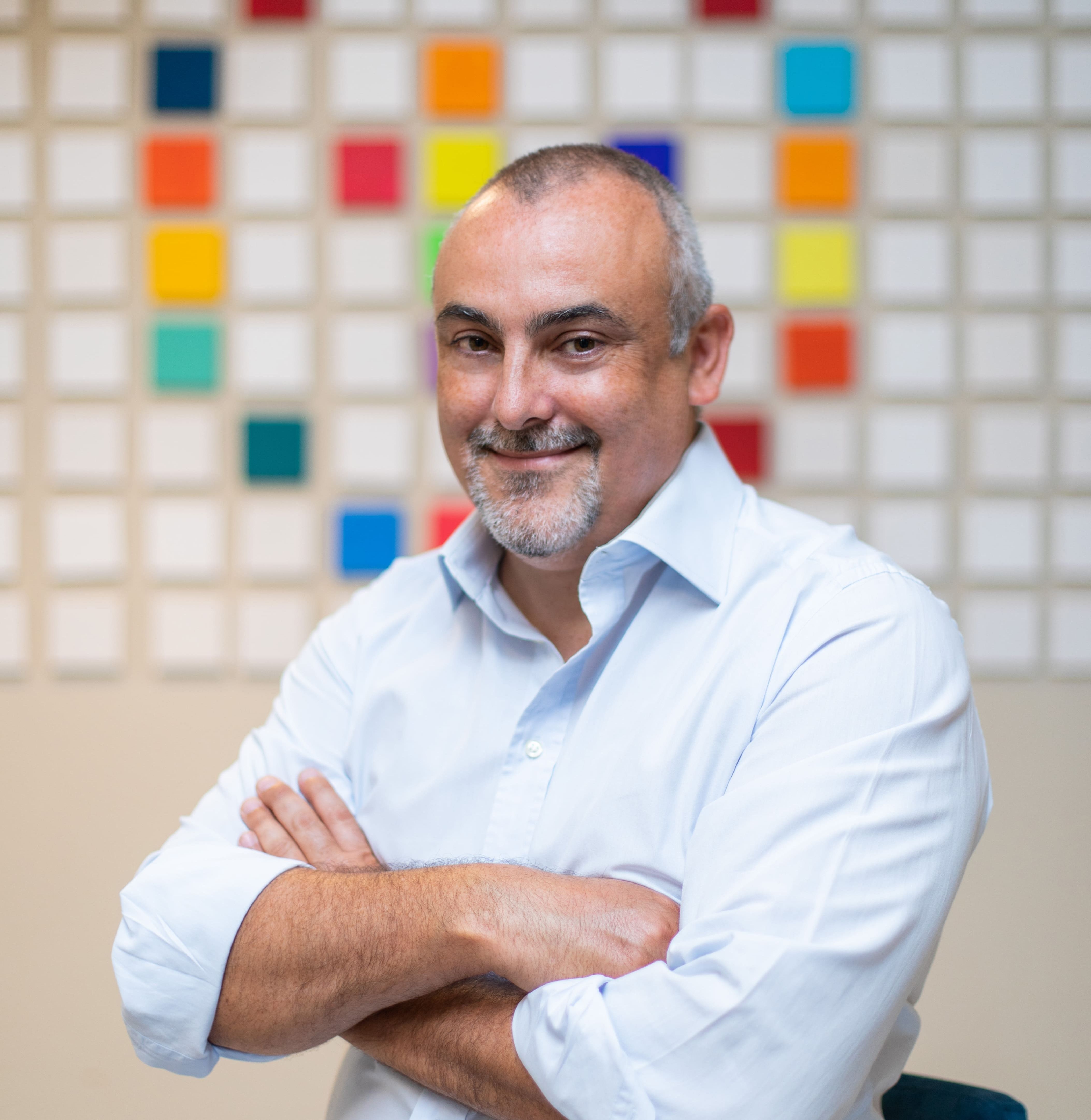
Marco Trombetti, Translated
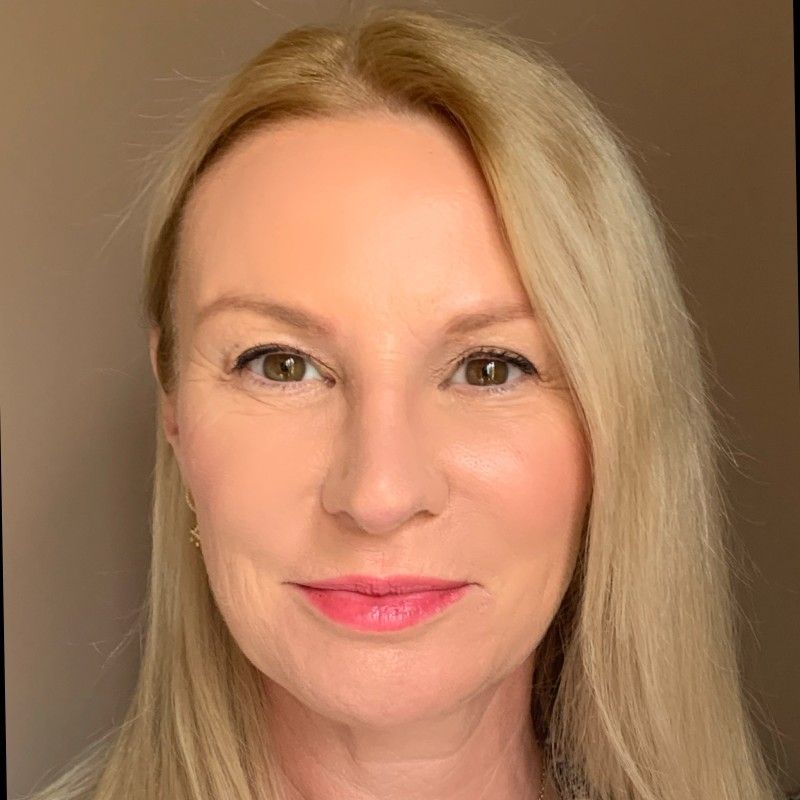
Véronique Özkaya, DATAmundi.ai
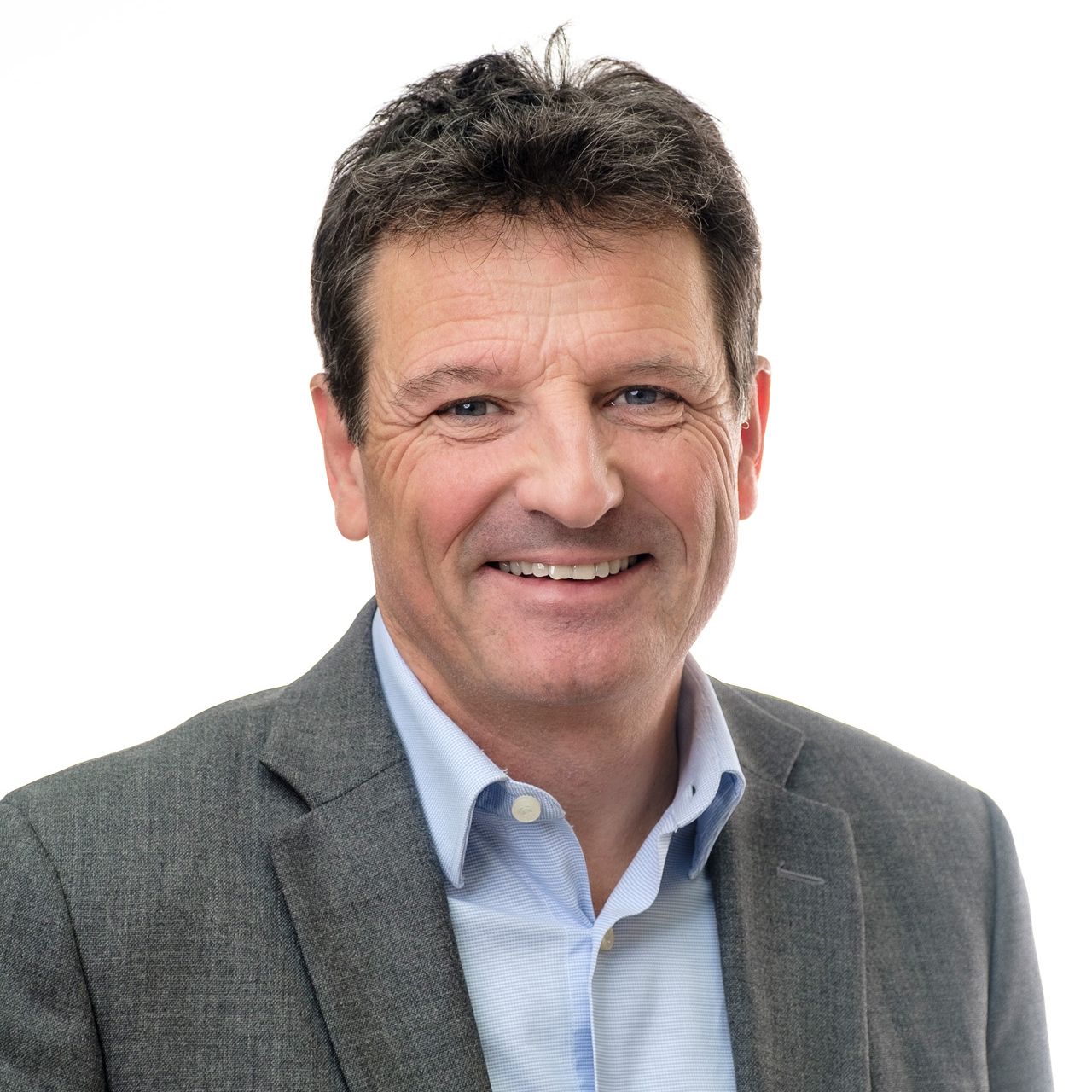
Bertrand Gstalder, Acolad
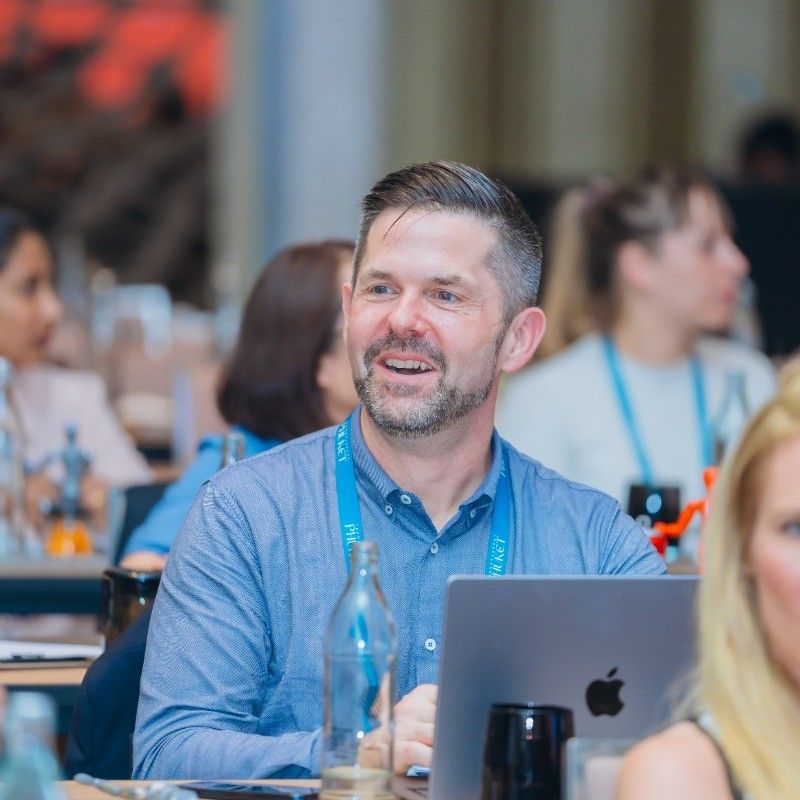
Keith Brazil, Transperfect
Hosted by: Jaap van der Meer, TAUS
Lunch served at Google.
Fast-pace innovators competition: Enterprises, LSPs and start-ups
Translation Endgame, Paul McManus (XTENSOS)
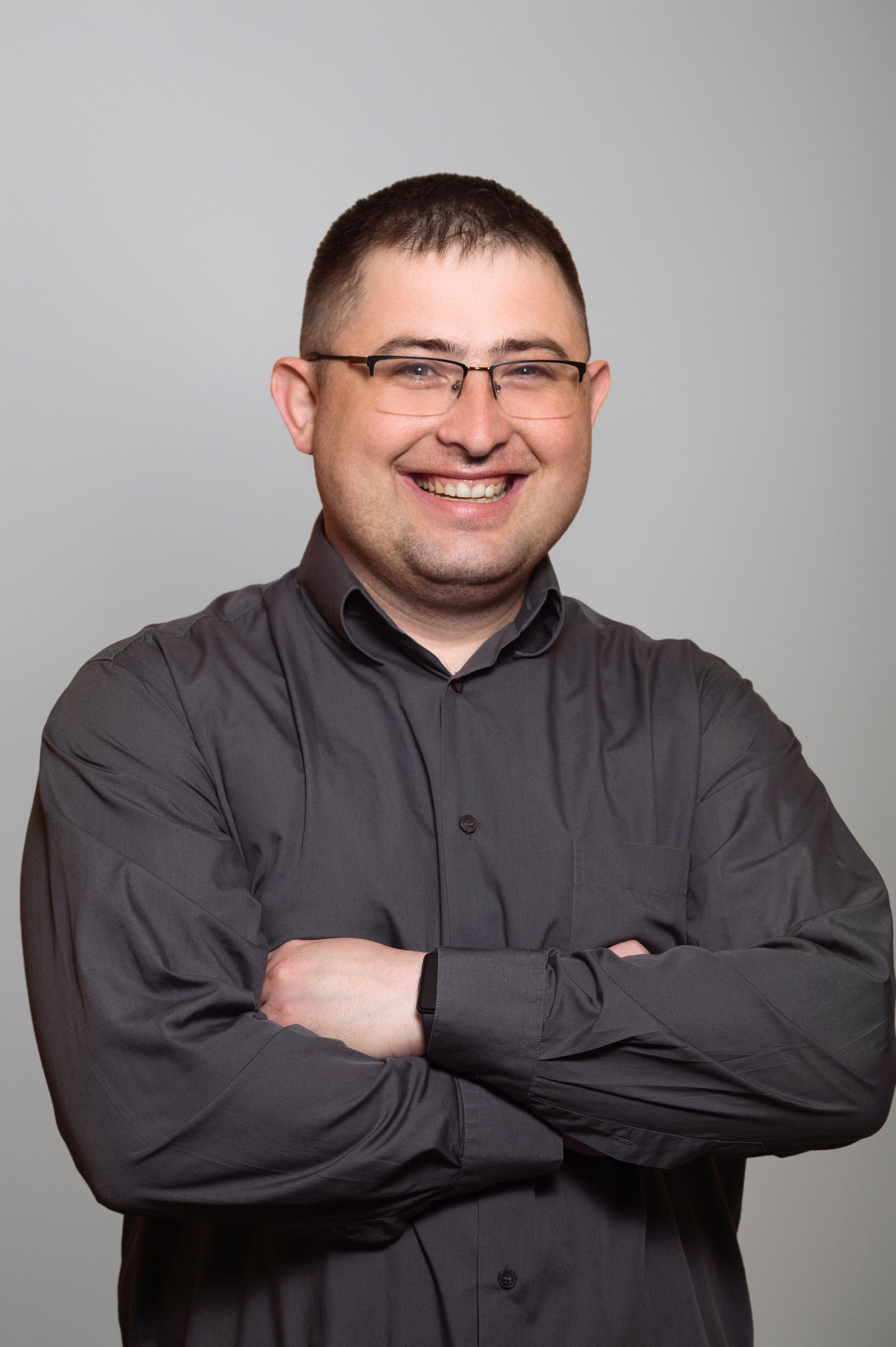
TAUS QE & APE Integration for Crowdin, Andriy Poznakhovskyy (Crowdin)

Agentic AI Co-Pilot, David Webb (XTM)
Host: Anne-Maj van der Meer (TAUS)
Host: Sofie Kintcheva (TAUS)
Panel hosted by Jourik Ciesielski (Yamagata Europe)
Executives from TMS companies discuss:
What direct integration of LLM APIs mean for the future of their platforms
The use of third party orchestration.
The name "TMS" no longer helps the industry, we need to reframe how software works today to make language a growth driver for companies (and LSPs!)
What is the future vision you are building towards?
How does the relationship between software and services need to evolve?
Speakers:
Peter Reynolds, memoQ
Olga Beregovaya, Smartling
Rachel Grewcock, Phrase

Bruno Bitter, Blackbird
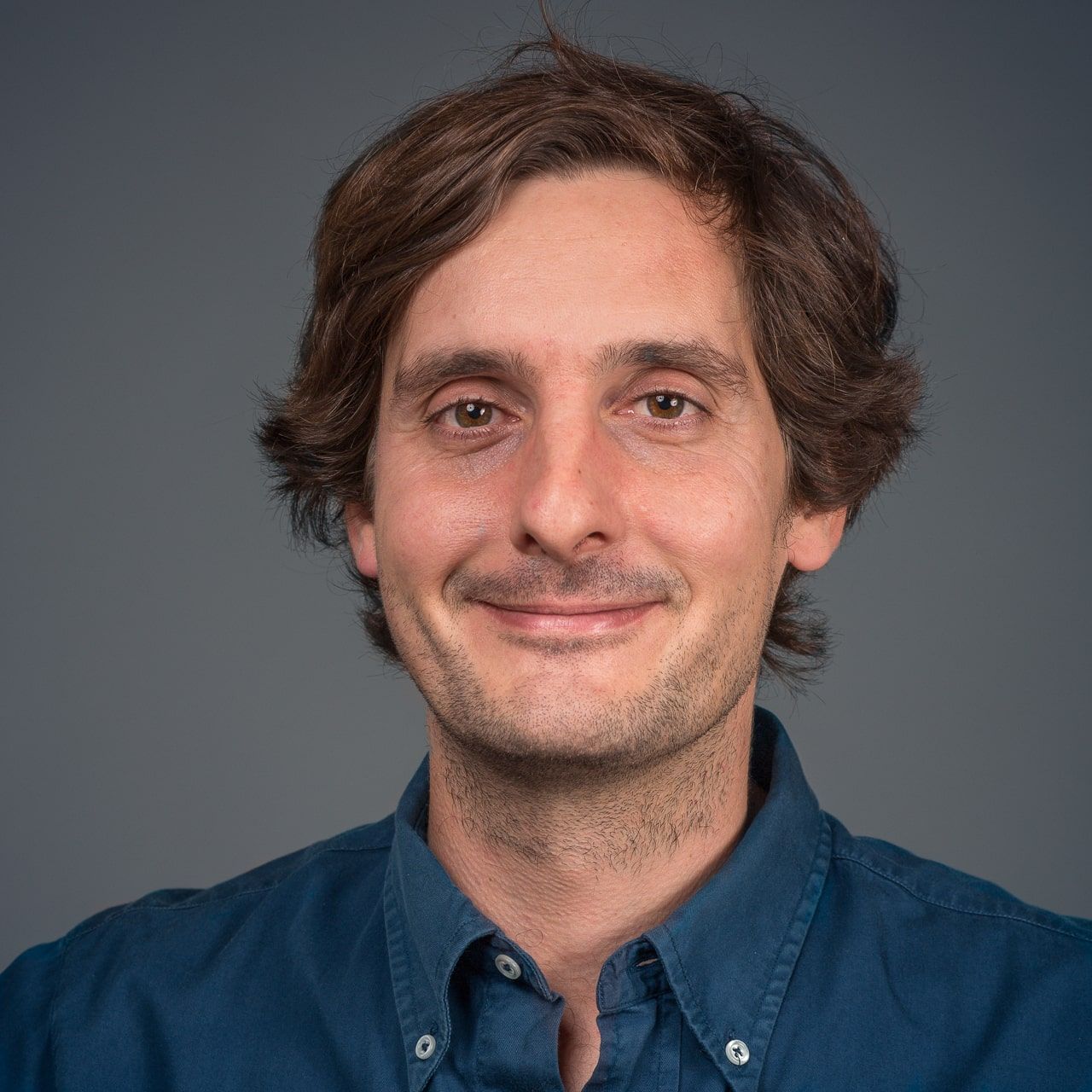
João Graça

Hosted by: Jourik Ciesielski, Yamagata Europe
Coffee and tea
TBC
Speakers:

Amir Kamran, TAUS
Panel hosted by Arle Lommel
AI’s demand for top-tier text data is skyrocketing, why? Yet supply is forecast to run dry. LSPs are the sleeping giants about to awaken if they played their cards right, poised to meet this surging need. Decades of translation, localization and linguistic insight represent a diamond in the rough, waiting to be refined into premium AI training and evaluation data.
Evolving these assets into curated, anonymized datasets bridges the gap between AI’s hunger for specialized content and the industry’s fragmented supply. Establishing clear IP rights and usage agreements unlocks new revenue models—turning dormant archives into lucrative data streams. Emphasizing “quality over quantity” positions LSPs as key partners in delivering more accurate and culturally nuanced AI solutions.
By moving from service providers to data curators, LSPs can achieve “their finest hour” in the coming era of resource-scarce AI.
Experts in language data and NLP discuss:
How to unleash and leverage the value of decades of TM collection
Synthetic data generation
Use cases and ROIs
Anonymization and data preparation for AI training
Speakers:
João Graça
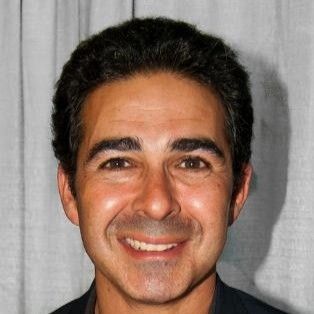
Alex Yanishevsky, Smartling
Amir Kamran, TAUS
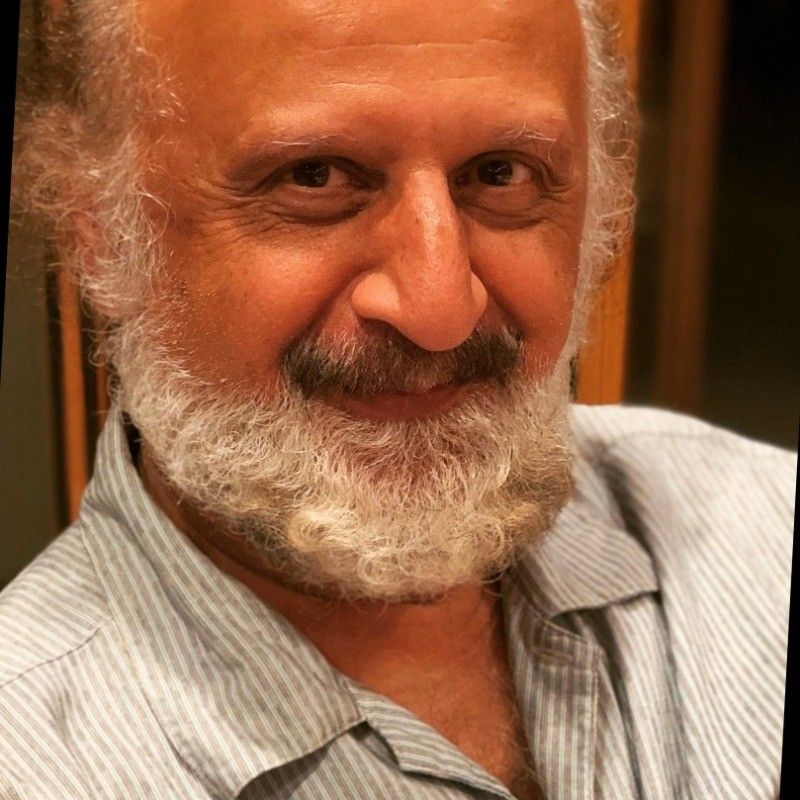
Kirti Vashee, Translated

Hosted by: Arle Lommel, CSA Research
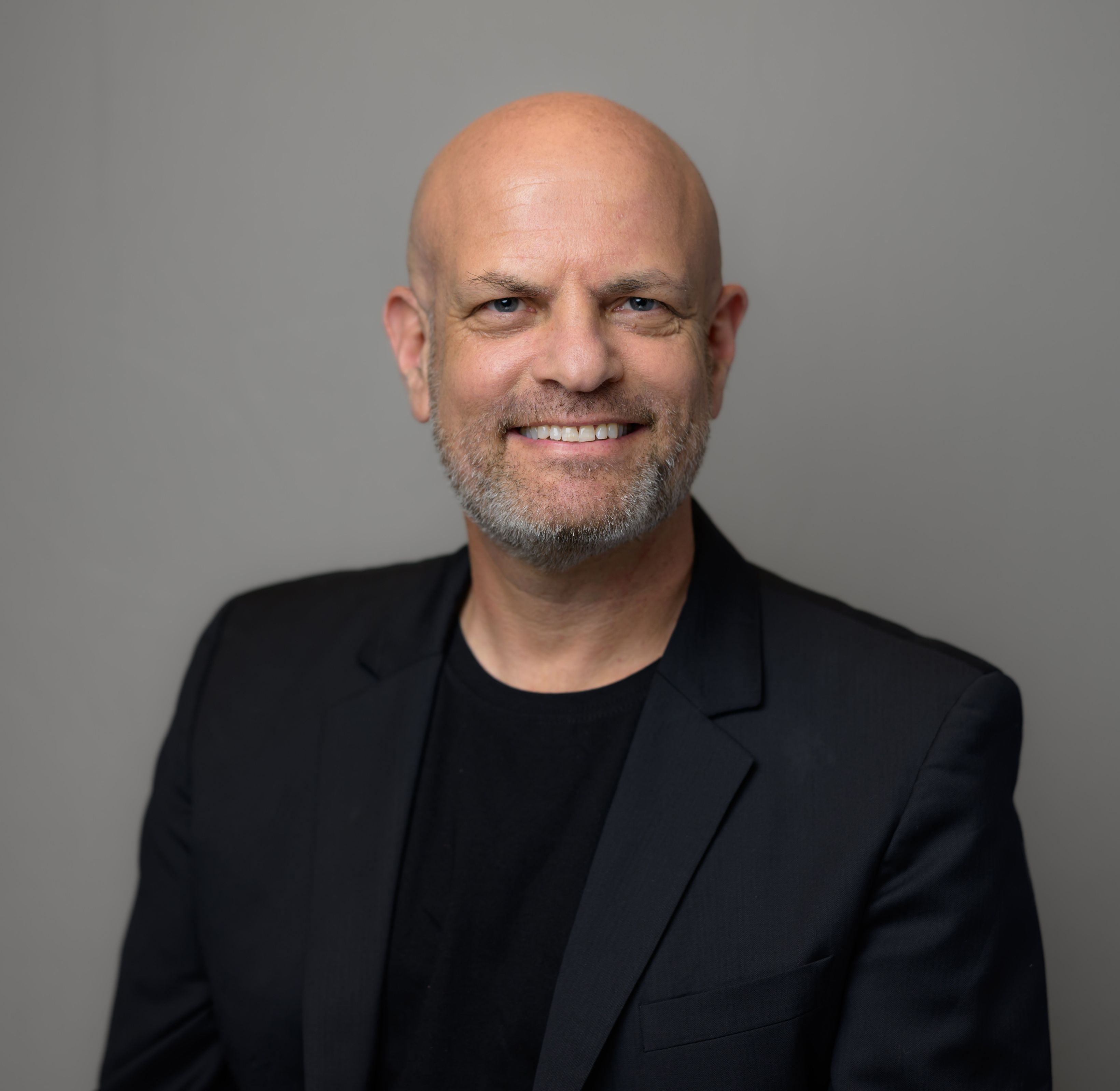
Yoav Ziv (BLEND)
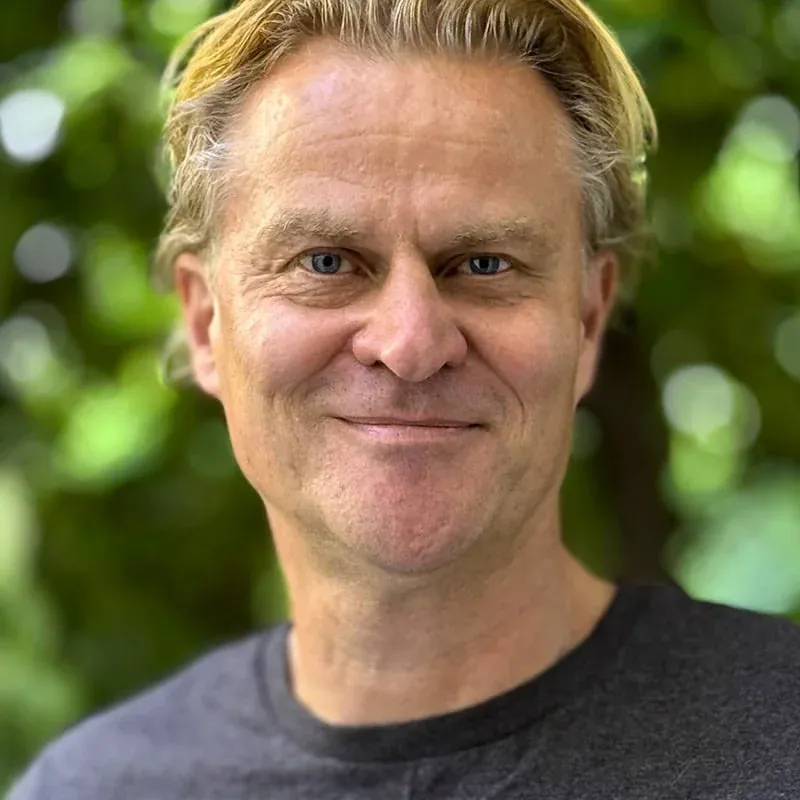
Mirko Lorenz (Deutsche Welle)
Bruno Bitter (Blackbird)
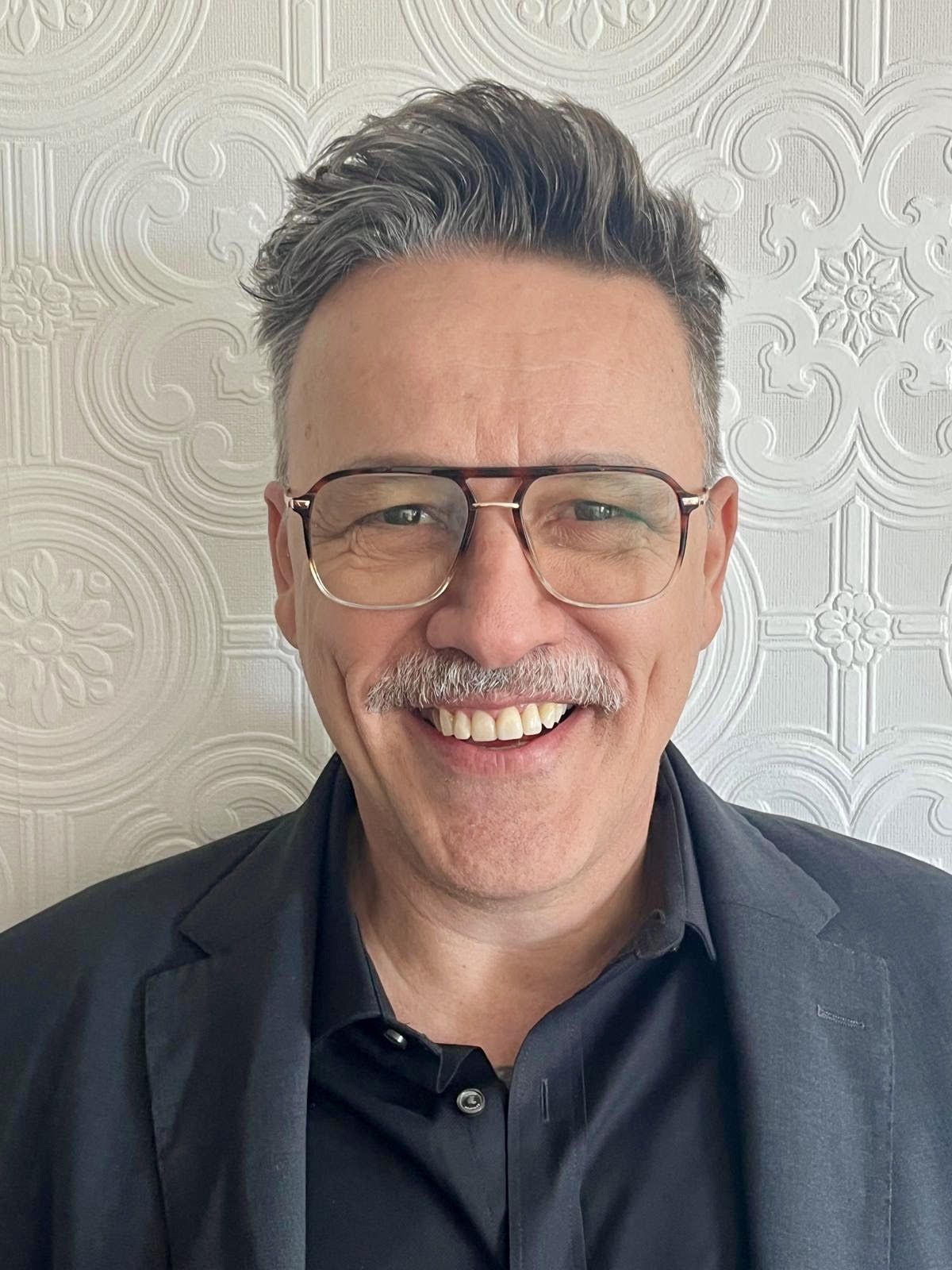
Fabiano Cid (Powerling)
Host: Anne-Maj van der Meer (TAUS)
Host: Sofie Kintcheva (TAUS)
End of day 1
M(EE)T LARA! , Marco Trombetti (Translated)
As a warm-up to the social dinner hosted by Translated, we will discover what the latest combination of the power of LLMs with over 15 years of research in machine translation can bring to life. Lara is a tool with a gift: it redefines machine translation by explaining its choices and accuracy, leveraging contextual understanding and reasoning to deliver professional-grade translations users can trust. What lies behind? And what are the next steps towards language singularity?
Marco Trombetti, Translated
Massively Multilingual AI Conference
Introductions and agenda overview of day 2
Jaap van der Meer, TAUS
Anne-Maj van der Meer, TAUS
Panel hosted by Arle Lommel (CSA Research)
As unit costs of translation go down and demand for “traditional” translation and interpreting systems is increasingly displaced by AI, it is imperative that language service providers (LSPs) transform themselves into global content service providers (GCSPs) that can effectively address the entire range of content and data transformations where language or geography play a role. In this panel, LSP executives and solutions architects will discuss how they are preparing for this shift in focus, how they are keeping their businesses going while they make changes, and which services and technologies are enabling them to move forward. They will also discuss how GCSPs are changing business and pricing models in disruptive ways that point to the future of a post-localization language industry.
Solution architects and LSP executives discuss:
How they position their companies to become Global Content Service Providers
New solutions and services
New business and pricing models
Speakers:

Pavel Soukenik, Acolad
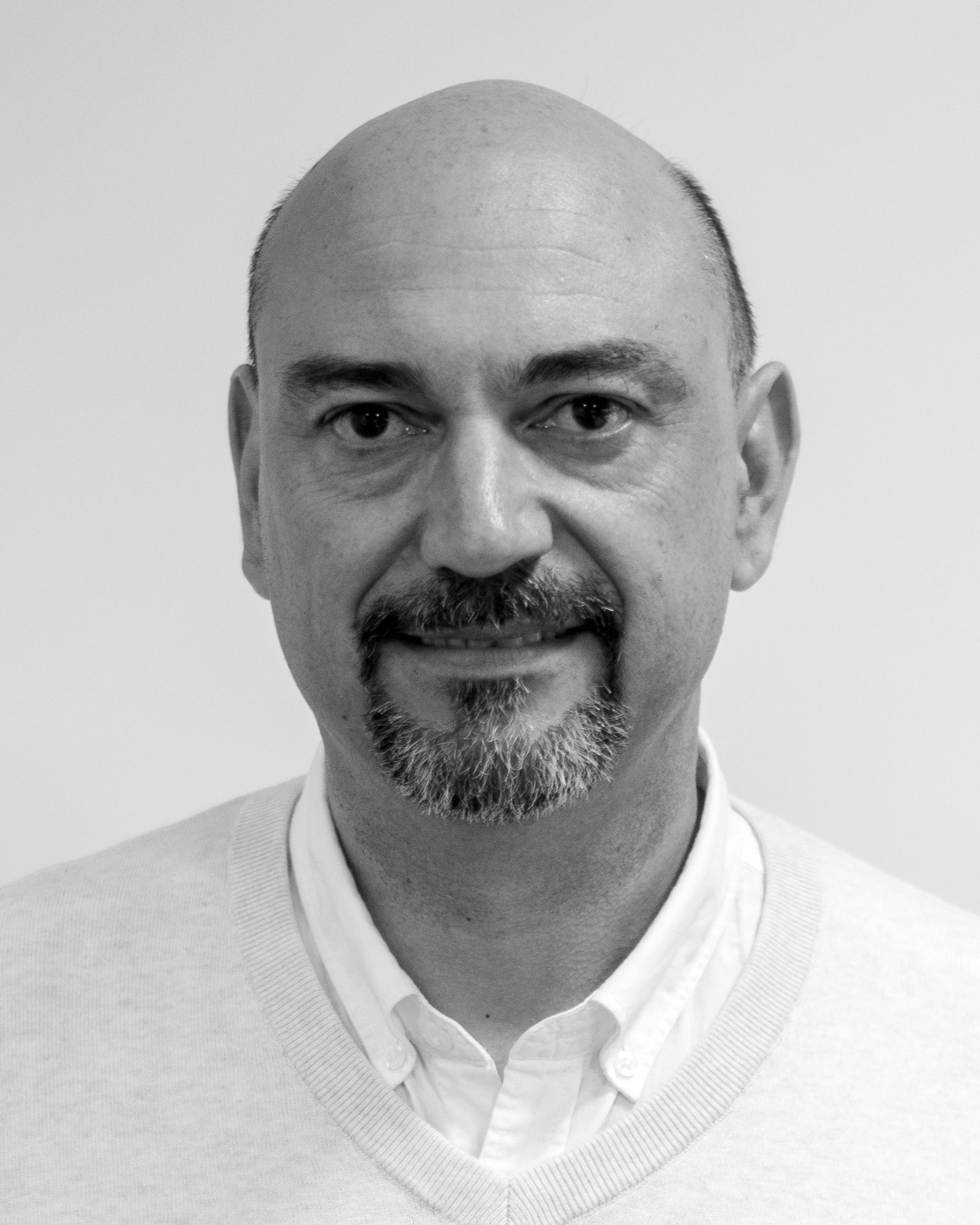
Antonio Tejada, LLTS

Erik Vogt, Argos Multilingual
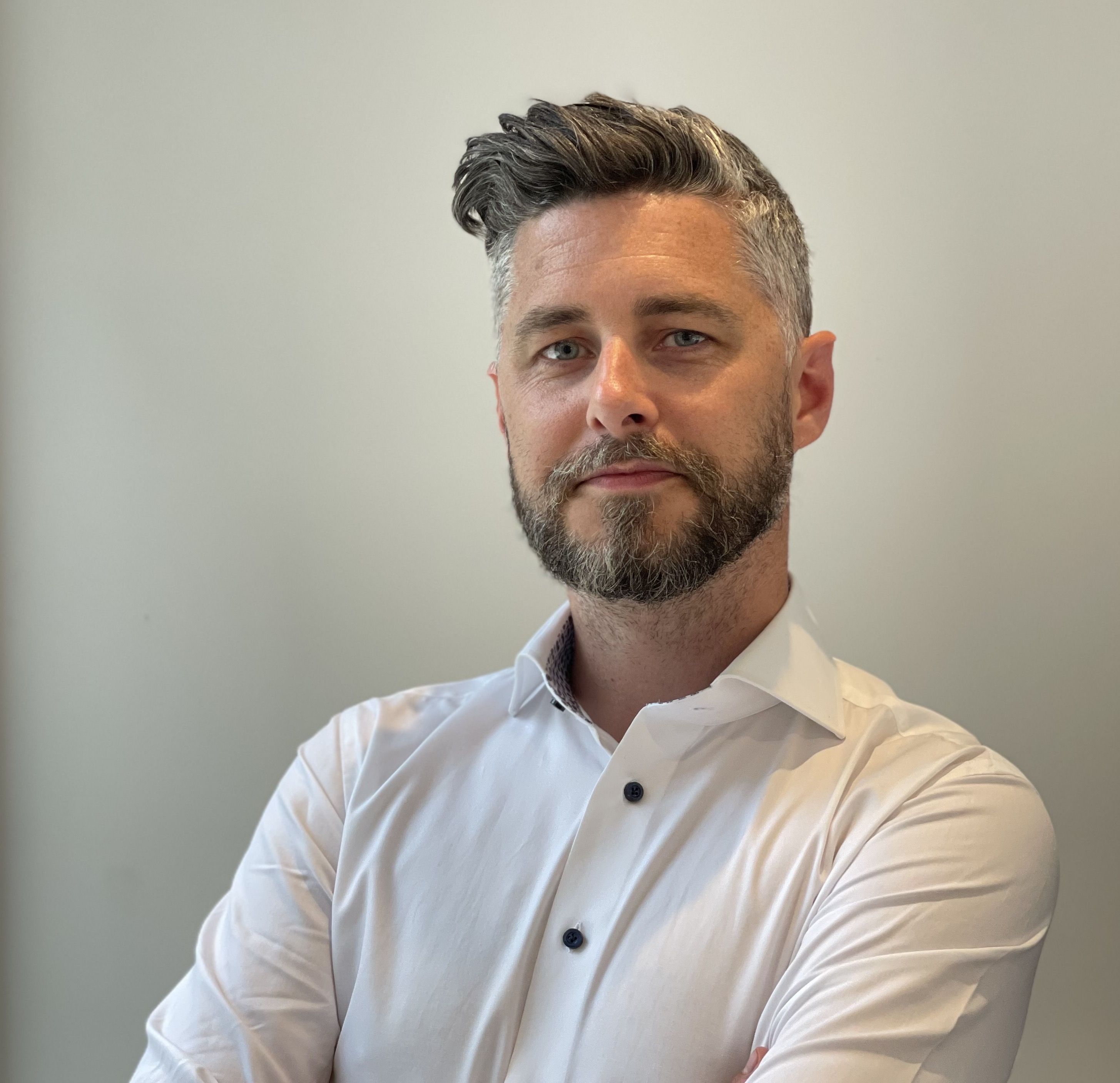
John Tinsley, Translated
Hosted by: Arle Lommel, CSA Research
Fast-pace innovators competition: Enterprises, LSPs and start-ups
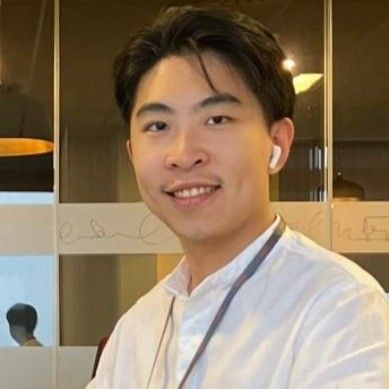
Ian (Ziyi) Zhang (Zoetis)
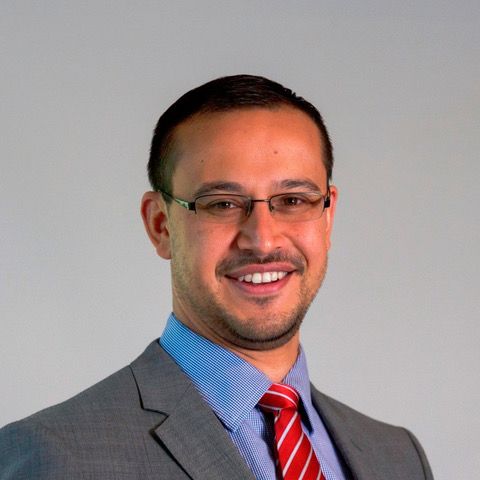
Knowledge Graph Mediated Translation, Edwin Trebels (LangOptima)
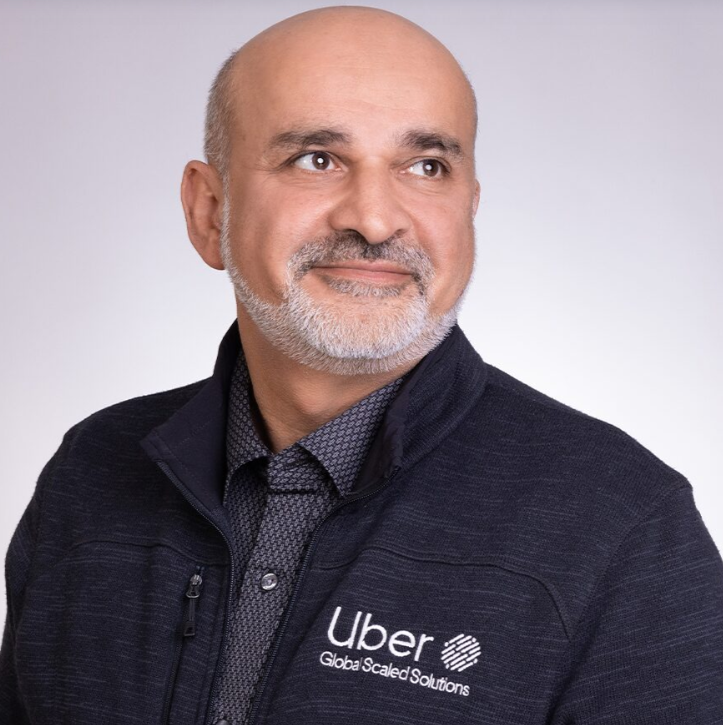
SNAP+MQM Localization Testing Tool, Hameed Afssari (Uber)
Host: Anne-Maj van der Meer (TAUS)
Host: Sofie Kintcheva (TAUS)
With nearly half the language industry now incorporating machine translation and LLMs, our data indicates that a significant portion of post-editors are still engaging in excessive editing. This session will quantify this often-overlooked waste, explore the prevalent tendency among companies to overdeliver on quality at a tangible cost to scalability, and advocate for the adoption of a more streamlined and intelligent human-in-the-loop approach.

Renato Beninatto, Nimdzi
Coffee and tea
Panel hosted by Dace Dzeguze (TAUS)
We’ve all heard it: “human translation is the gold standard.” But… is it really? And should it still be? In this panel, we’re getting a bit brave (and maybe a little geeky) to ask the tough questions.
We’re bringing together two tech-savvy LSPs, a travel industry heavyweight, and one of the biggest public translation services on the planet to dig into how quality is evolving in the age of LLMs, automation, and post-MT pipelines.
This isn’t your usual “humans vs. machines” debate. We’re shifting the lens to quality vs. risk—because when automation steps in, so do questions about cost, scale, and what “good enough” actually means. Expect a lively discussion on how advances in MT, quality estimation, and automated post-editing are shaking up go-to-market strategies, pricing models, and what’s on everyone’s agenda.
LQA in the age of AI: how MTQE and APE help us to scale up:
Do metrics still matter?
Use cases and benefits
Client adoption
Setting the thresholds
Speakers:
Yoav Ziv, BLEND Localization
Paul Mcmanus, Xtensos
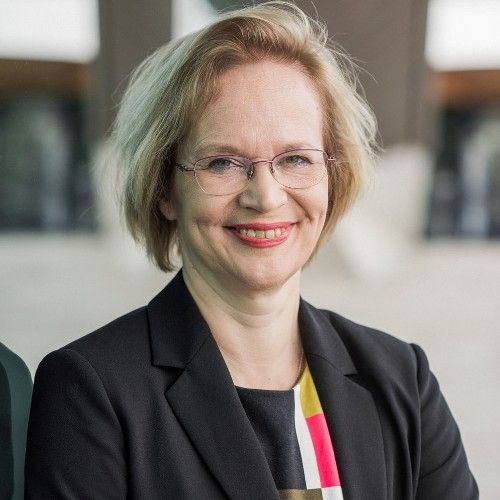
Marja Hennessy, EC DGT
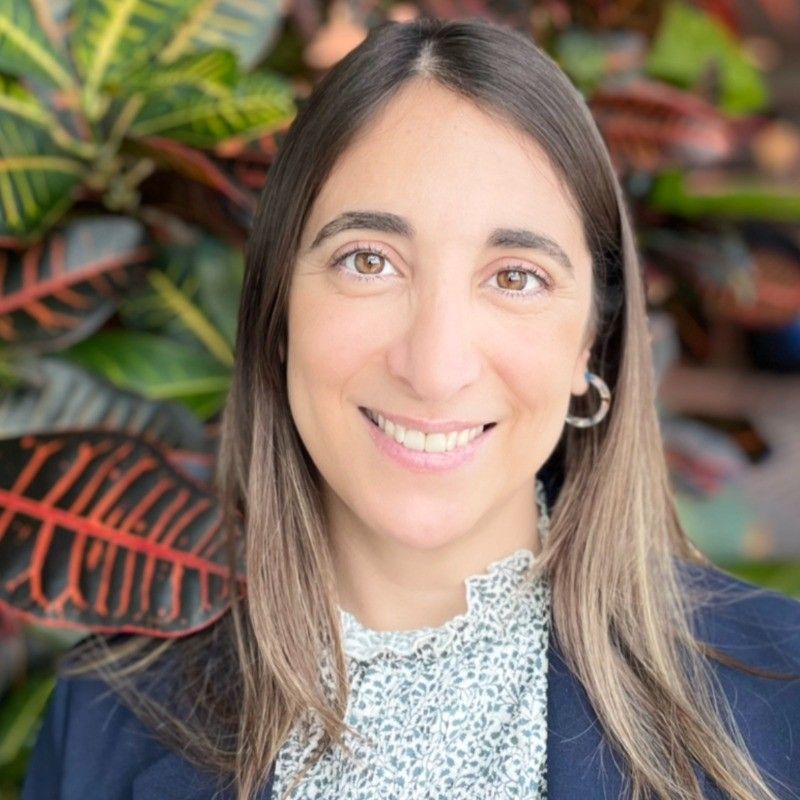
Paula Manzur, Booking.com
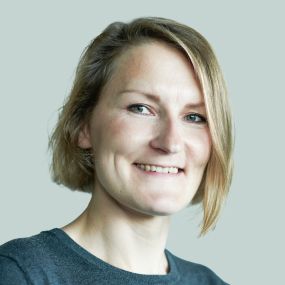
Hosted by: Dace Dzeguze
Presentation
TBD
Amir Kamran, TAUS

Amir Soleimani, TAUS
Lunch served at Google.
Panel hosted by Jochen Hummel (ESTeam & Coreon)
Heads of enterprise globalization discuss:
Shift in globalization economics: The transition from purchasing localization services to investing in a globalization infrastructure, enabled by multilingual knowledge, high-quality data and GenAI.
Progress on the AI Journey: How far have we already progressed in adopting AI for globalization and converting to LangOps? What slows us down?
Operationalizing language: Strategies for implementing LangOps across the organization
Technological and organizational requirements for building and supporting a globalization infrastructure.
Impact on customer interaction: What does LangOps mean for customer interaction and global operational efficacy.
Case studies: real-world examples of companies that have successfully implemented LangOps; approaches, successes, and lessons learned
Future vision of achieving limitless multilingual content production and the steps required to make this a reality. What are the necessary technological advancements and organizational changes?
Speakers:

Richard Tunnicliffe, Google
Hameed Afssari, Uber
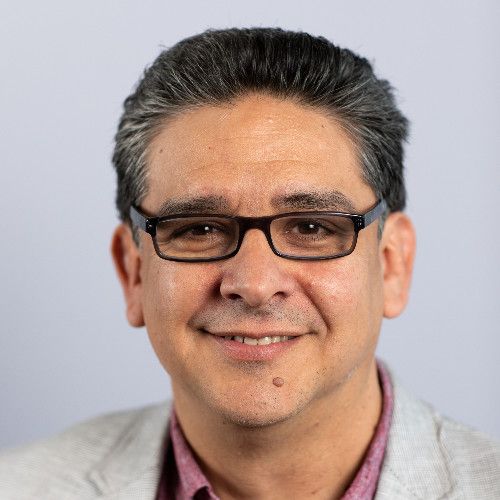

Morgan O'Brien, SurveyMonkey

Hosted by Jochen Hummel, ESTeam & Coreon
Coffee and tea
Panel hosted by Alessandro Cattelan (Translated)
The localization sector has pioneered AI adoption, with Machine Translation (MT) standing out as an early and impactful commercial application. While numerous organizations have successfully adopted MT and post-editing, leading to notable efficiency improvements, the challenge is now to broaden AI's integration across the entire localization landscape, moving beyond these initial achievements.
This expert panel brings together voices from across the ecosystem to explore how organizations are moving beyond basic machine translation and post-editing to create truly transformative, AI-driven localization strategies. Our panelists from life sciences, enterprise software, and media sectors will share insights on how they're integrating AI deeper into their workflows, restructuring teams, redefining roles, and reimagining what's possible in multilingual content creation and delivery.
We'll explore pressing questions facing the industry today:
How do we leverage AI not just for cost reduction but for business growth?
How are traditional localization roles evolving as AI becomes normalized?
What strategic choices must organizations make regarding building vs. buying AI technologies?
How are tools and systems evolving to support this new AI-integrated future?
Speakers:
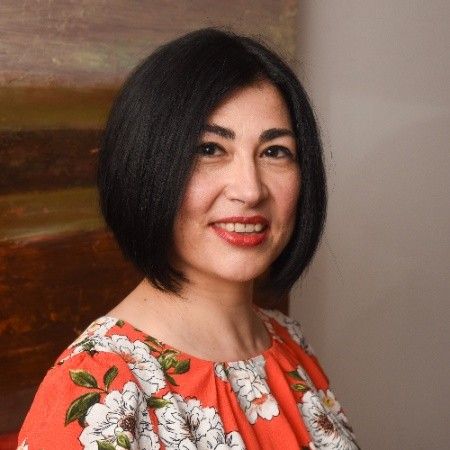
Esther Curiel, Zoetis
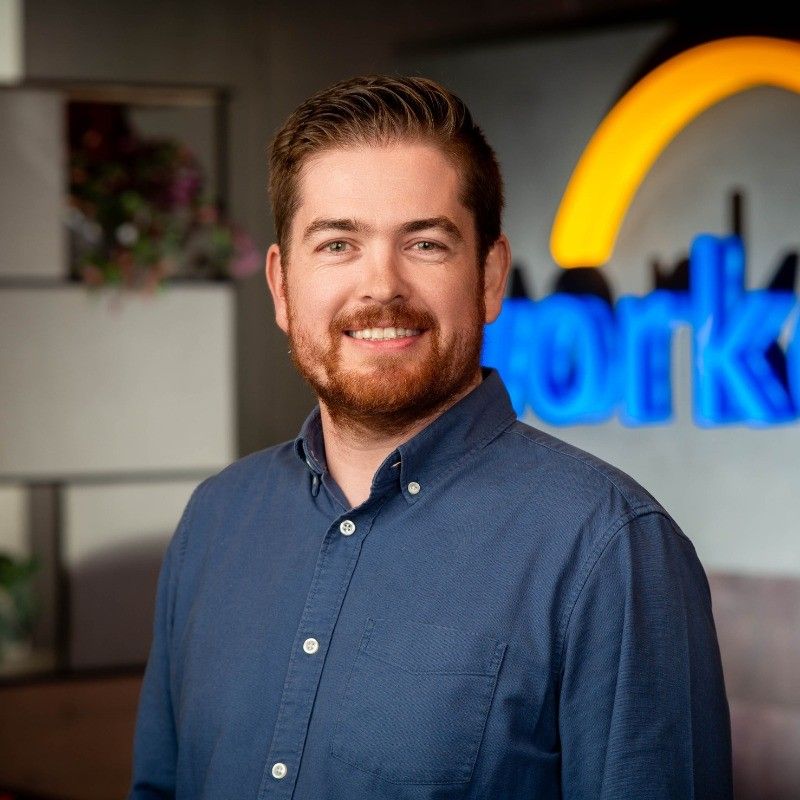
Nick Reynolds, Workday
Mirko Lorenz, Deutsche Welle
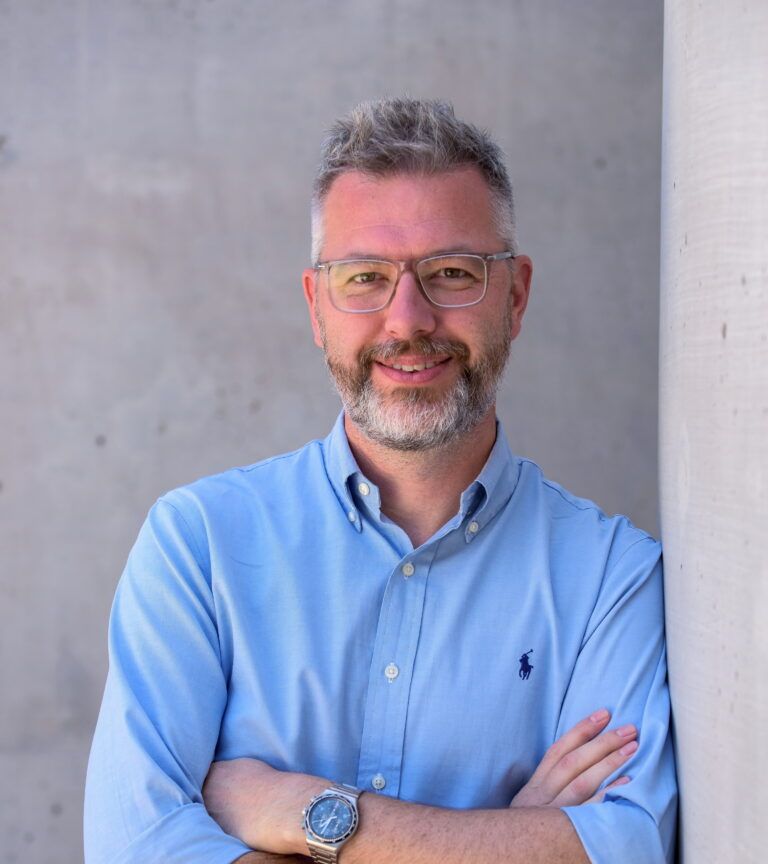
Hosted by Alessandro Cattelan, Translated
After the presentations from each contestant, the audience receives a link to vote for their favorite. At the end of the two days, the votes will be counted and the winner will be announced. The prize is a coveted TAUS Massively Multilingual Award.
Hosted by Anne-Maj van der Meer, TAUS
End of day 1
EN
DE
ES
FR
PT
中文
اردو

Bringing AI and Language Technology Together
The AI revolution is here, but it still operates in the shadow of English. Over 90% of the data driving today's Large Language Models is in English, which limits the scope of AI's global potential. Until now, the translation industry has mostly moved from English outward, but AI can change that. It can help us generate content simultaneously in all languages, skipping traditional translation workflows altogether. For this to happen, the AI and language industries must work hand-in-hand. The vast knowledge and data held within the global language industry are the missing pieces needed to unlock AI's full potential on a global scale.
EN
DE
ES
FR
PT
中文
اردو
Who will be there and what you can expect
The two-day conference will dive deep into the ways AI is reshaping global communication. Leaders from AI labs will showcase the most groundbreaking technologies. Globalization directors and enterprise executives will share their perspectives on the emerging challenges and opportunities. Language technology providers will shed light on the fusion of AI and multilingual content.
This exclusive event will draw an influential crowd from the top tiers of AI, content globalization, and language industries. You’ll meet executives who are shaping the future of global communication, innovation leaders driving cutting-edge AI solutions, and experts who understand the complexity of navigating a multilingual world. Whether you're building new AI platforms, managing global content, or developing innovative language solutions, this is the space to connect with decision-makers and thought leaders. Expect around 120 leaders from around the world, including:
Global content buyers and owners (40%)
AI lab executives and startup founders (15%)
Content and language service providers (15%)
Technology innovators and solution providers (15%)
Translators and linguists (5%)
Government representatives and NGOs (5%)
Consultants, academia, and analysts (5%)
Find out more about our exhibitors

Registration
Please note that 23% Irish VAT is added to the registration fee.
Conference Individual Registration
10-11 June

9:00 - 17:00
Access to networking events
Early Bird - April 15
€ 1,750 € 1,500
Conference Group Registration
10-11 June
9:00 - 17:00
Access to networking events
Registration for 3 people
Early Bird - April 15
€ 4,500 € 4,000
If you'd like to register more than 3 people, please write to events@taus.net
Expo Registration
10-11 June

9:00 - 17:00
Access to networking events
Includes 1 registration
€ 4,000
The TAUS Experience
An event with the intimate setting that TAUS is known for: round tables and one single conference track filled with thought-provoking keynotes, lightning presentations, innovative product pitches, and ample time for Q&A and interactive sessions. You’ll leave with fresh ideas and new connections to drive your organization forward. Whether it's during the talks, at the opening reception, or during our signature networking dinner, every moment will spark conversation, collaboration and creativity.
True to the TAUS style, the Massively Multilingual AI Conference will provide an intimate and engaging environment. The cabaret-style seating and single-track program ensure that everyone is part of the conversation, allowing for meaningful discussions and networking. Our goal? To make sure you walk away with actionable insights and lasting connections.

Hameed Afssari
Director of Quality and Globalization | Uber

Julie Belião
Senior Director of Product Innovation | Mozilla.ai
Renato Beninatto
Chairman and Co-Founder | Nimdzi Insights
Olga Beregovaya
VP of AI | Smartling
Bruno Bitter
CEO | Blackbird.io
Keith Brazil
Senior VP Of Technology | TransPerfect
Alessandro Cattelan
COO | Translated
Fabiano Cid
Chief Solutions Officer | Powerling
Jourik Ciesielski
CTO | Yamagata Europe
Esther Curiel
Globalization Manager | Zoetis
Agustín Da Fieno Delucchi
Director of Globalization | Microsoft
Dace Dzeguze
COO | TAUS
João Graça
Rachel Grewcock
Director AI Product
Bertrand Gstalder
CEO | Acolad
Marja Hennessy
Director | DGT
Manuel Herranz
CEO | Pangeanic
Jochen Hummel
CEO | ESTeam & Coreon
Amir Kamran
Solution Architect | TAUS
Sofie Kintcheva
Sales Ops | TAUS
Arle Lommel
Senior Analyst | CSA Research
Mirko Lorenz
Innovation Manager | Deutsche Welle/plain X
Paula Manzur
Language AI Strategy Lead | Booking.com
Paul McManus
Founder, Owner & CEO | XTENSOS
Maite Melero
Senior Researcher | Barcelona Supercomputing Center
Morgan O'Brien
Senior Technical Program Manager | SurveyMonkey
Véronique Özkaya
Co-CEO | DATAmundi.ai
Andriy Poznakhovskyy
Head of Growth | Crowdin
Ricardo Rei
Senior Research Scientist | Unbabel
Nick Reynolds
Senior Director of Globalization and Localization | Workday
Peter Reynolds
CEO | memoQ
Amir Soleimani
Senior NLP Engineer | TAUS
Pavel Soukenik
Head of Global Solutions | Acolad
Antonio Tejada
Vice President of Translation & Localization | LanguageLine Solutions
Dinesh Tewari
Senior Research Program Manager | Google DeepMind
John Tinsley
VP of AI Solutions | Translated
Edwin Trebels
Founder | LangOptima
Marco Trombetti
CEO | Translated
Richard Tunnicliffe
Director of Localization | Google
Anne-Maj van der Meer
Head of Sales, Marketing & Events | TAUS
Jaap van der Meer
Owner | TAUS
Erik Vogt
Solutions and Innovations Director | Argos Multilingual
David Webb
Vice President - Global Enterprise Sales | XTM
Alex Yanishevsky
Senior Director, AI and MT Solutions | Smartling
Ziyi (Ian) Zhang
MT & LLM Specialist | Zoetis
Yoav Ziv
CEO | BLEND Localization
TAUS Massively Multilingual AI Contest
At the TAUS Massively Multilingual AI Conferences in Dublin in June 2025, TAUS will host the Massively Multilingual AI Contest. An iconic competition at TAUS events that puts the spotlight on the innovators and disruptors for the global language industry. It started already in 2015 when MateCat and Unbabel won the first Innovator awards. Over the years, almost a hundred companies have participated in this exciting competition and many of the winners have been able to pull in significant investment money over the years that followed.
About the contest
From the submissions, around 10 presenters are selected to pitch their AI solution at the TAUS Conference. Each presenter will have exactly six minutes on the stage. They will have access to a presentation computer for slides, a video or a live demo. After six minutes, the lights go out and it’s time for the next presenter. There will be no Q&A.
The presentations will be divided over the two day conference. After the final presentation, the audience will receive a link to vote for the best presentation. The presenter with the most votes will receive the unique TAUS Massively Multilingual Award.
How do I enter?
We invite service and technology providers established in the localization and language industry, but also start-ups and “invaders” from the broader AI or technology industry. If you are working on an innovative solution to bring in AI into your workflows that helps you or customers get closer to becoming truly massively multilingual, we’d love to hear from you.
Networking Events
On top of the many networking opportunities in the coffee and lunch breaks, we're pleased to invite you also for two evening activities to chat with old friends and make new acquaintances. Participation in these networking events is included in the registration fee. However, please confirm your attendance via the RSVP form you'll receive from the TAUS team.
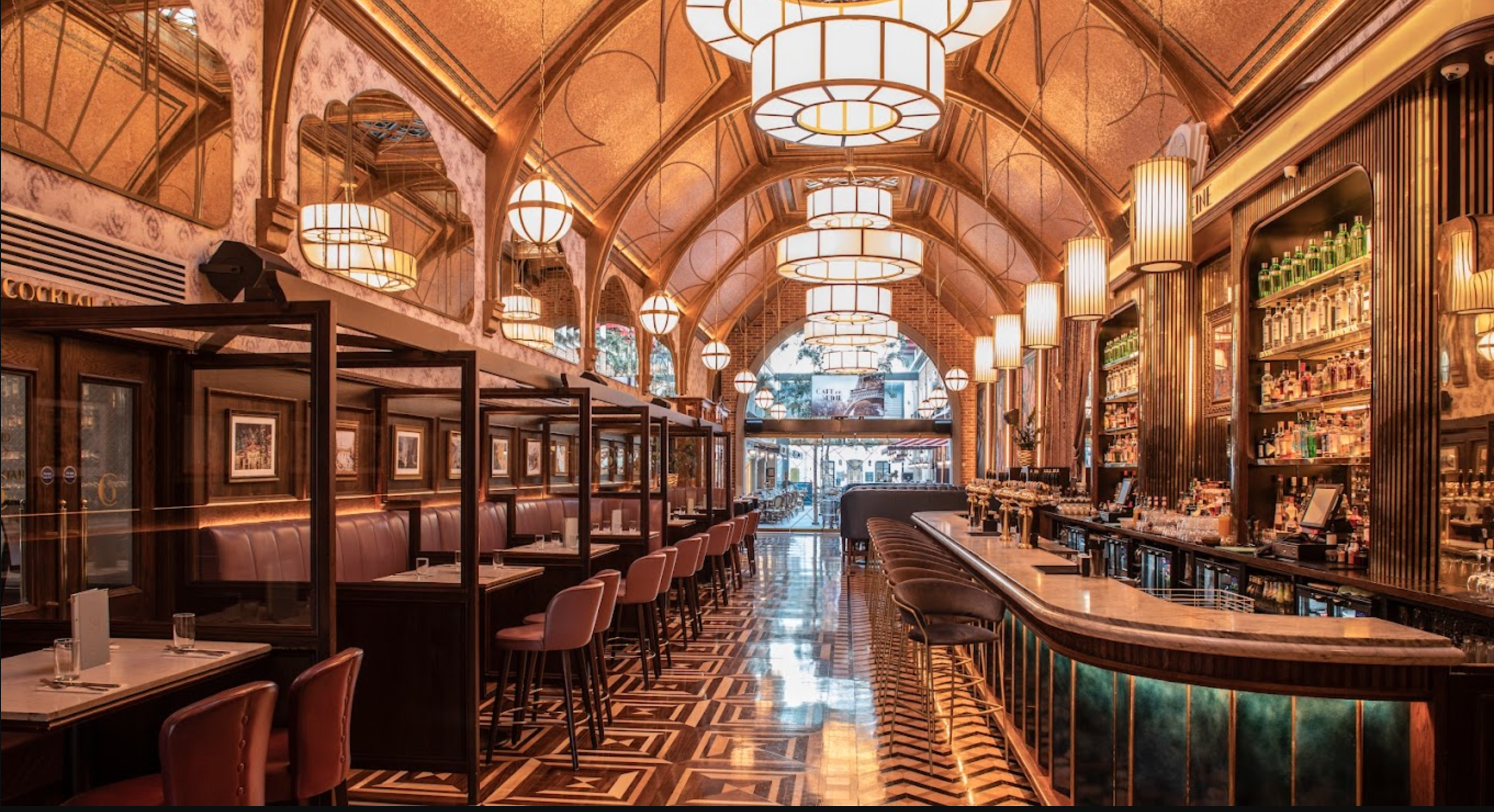
Opening Reception
3 minutes-walk from the Venue.
Date: 9 June
Starting time: 6:00 pm
Venue: Cafe En Seine
Address: 40 Dawson St, Dublin
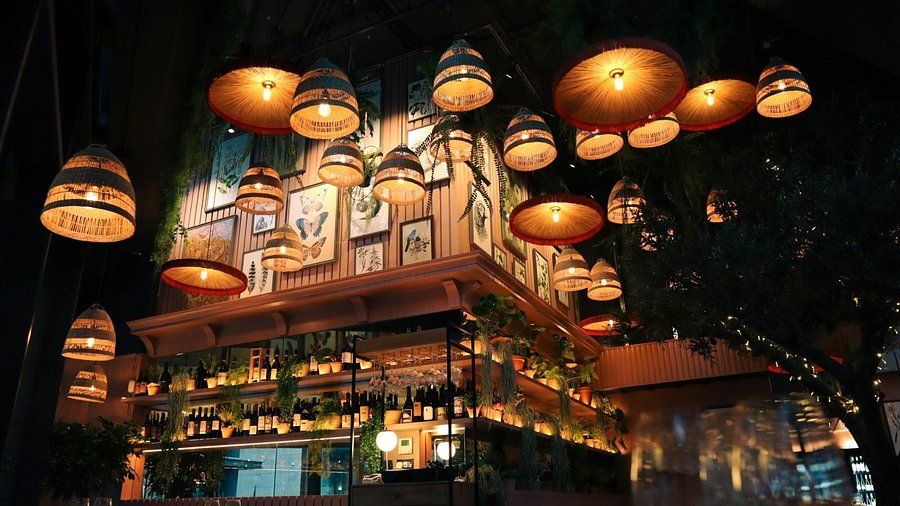
Networking Dinner (Sponsored by Translated)
3 minutes-walk from the Venue.
Date: 10 June
Starting time: 6:00 pm
Venue: One Ballsbridge
Venue
On 10-11 June, the TAUS Massively Multilingual AI Conference Dublin 2025 will be hosted at Google EMEA HQ in Dublin, Ireland.
Home to more than 5,000 Googlers from over 100 nationalities and supporting activities from over 20 key Product Areas, Google’s EMEA HQ located in the heart of Dublin, is a vibrant and diverse site. The TAUS Massively Multilingual AI Conference will be held in Oceans 11 on the 11th floor of the Google Docks building, offering panoramic views across the city. The event space provides a great opportunity for TAUS attendees to engage on industry topics, network with attendees and enjoy break-out discussions.
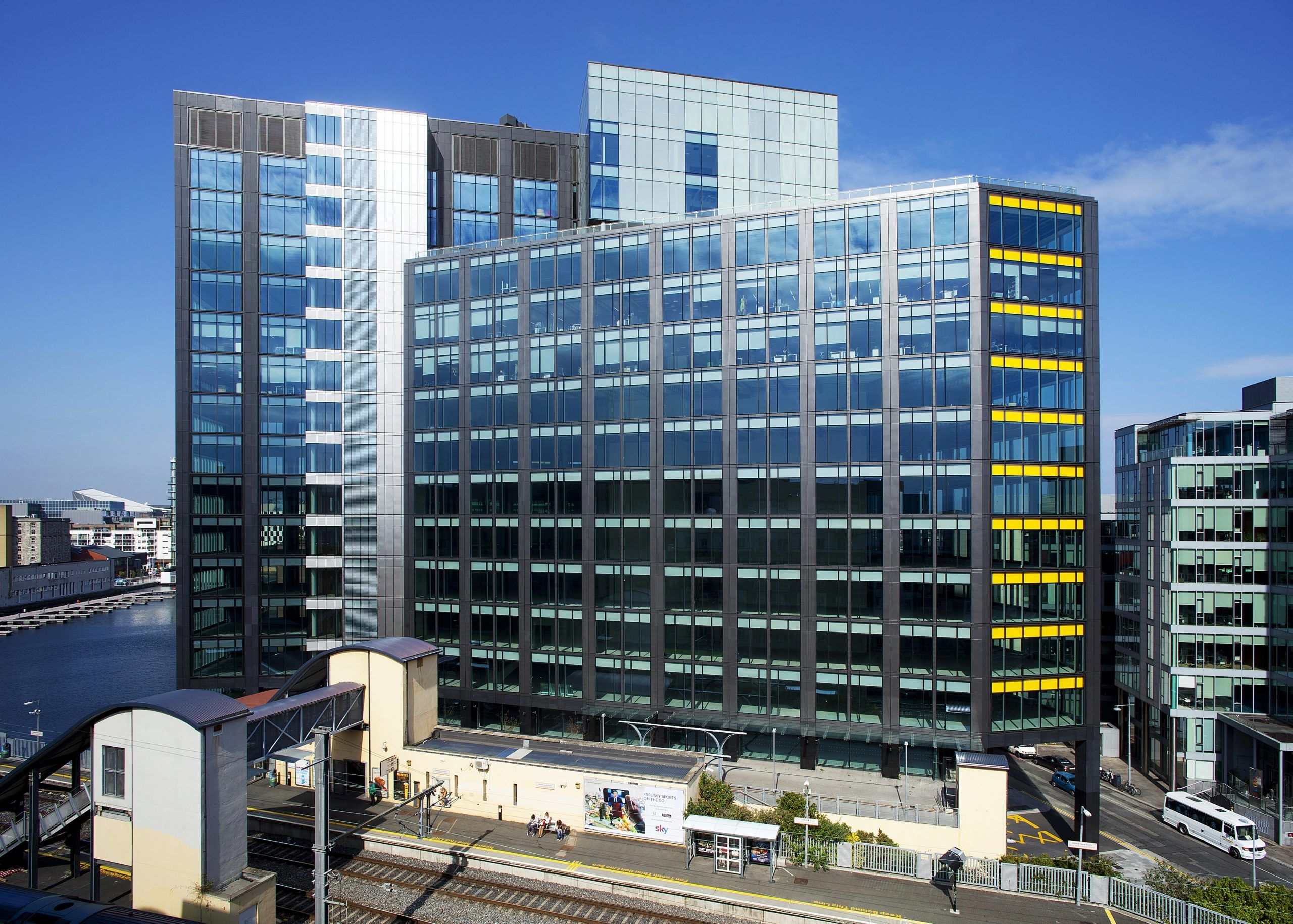
Hotel Recommendations
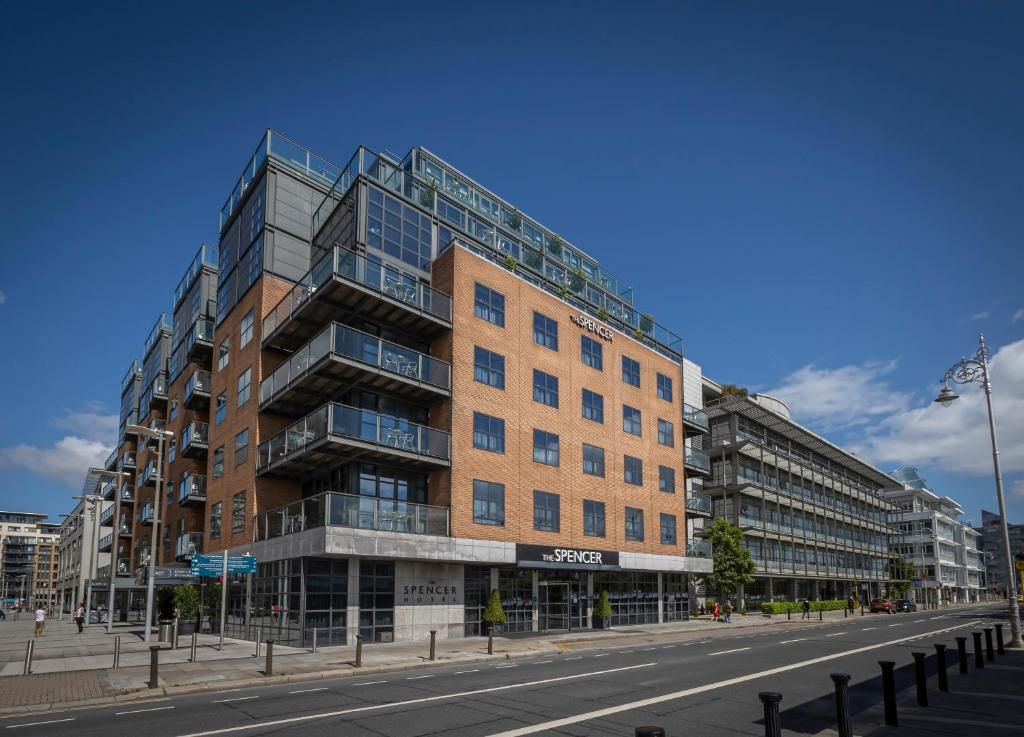
The Spencer Hotel
Distance: 19-min walk away.
Price: €299.00 including breakfast (incl. taxes & fees)
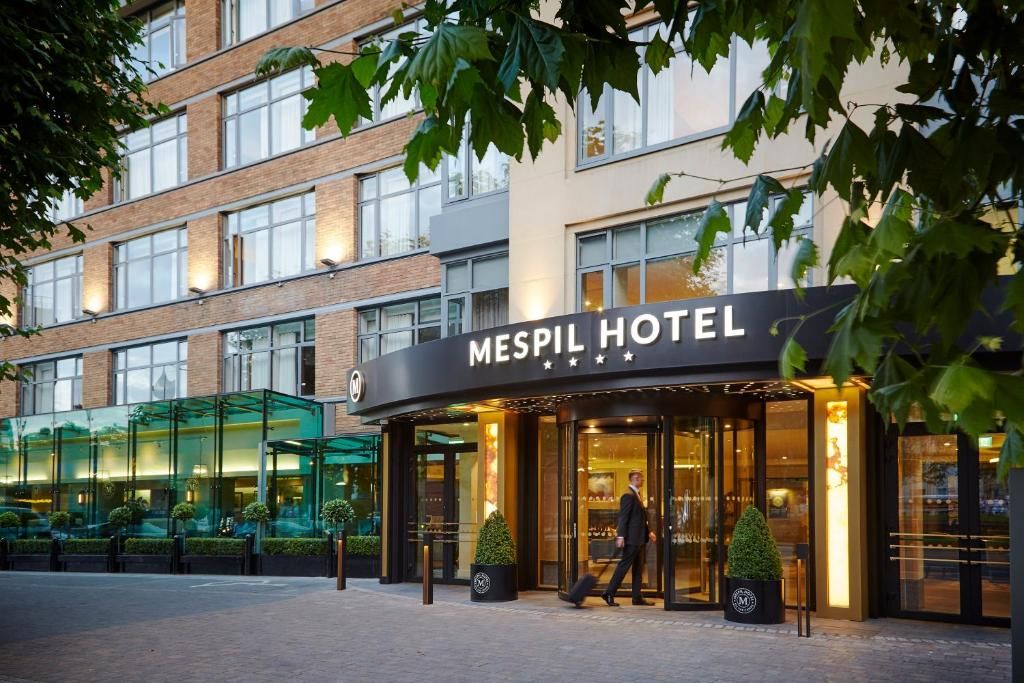
Mespil Hotel
Distance: 17-min walk away.
Price: €249.00 (incl. taxes & fees)
Contact Mail: reservations@leehotels.com
Reference code: TAUS100625
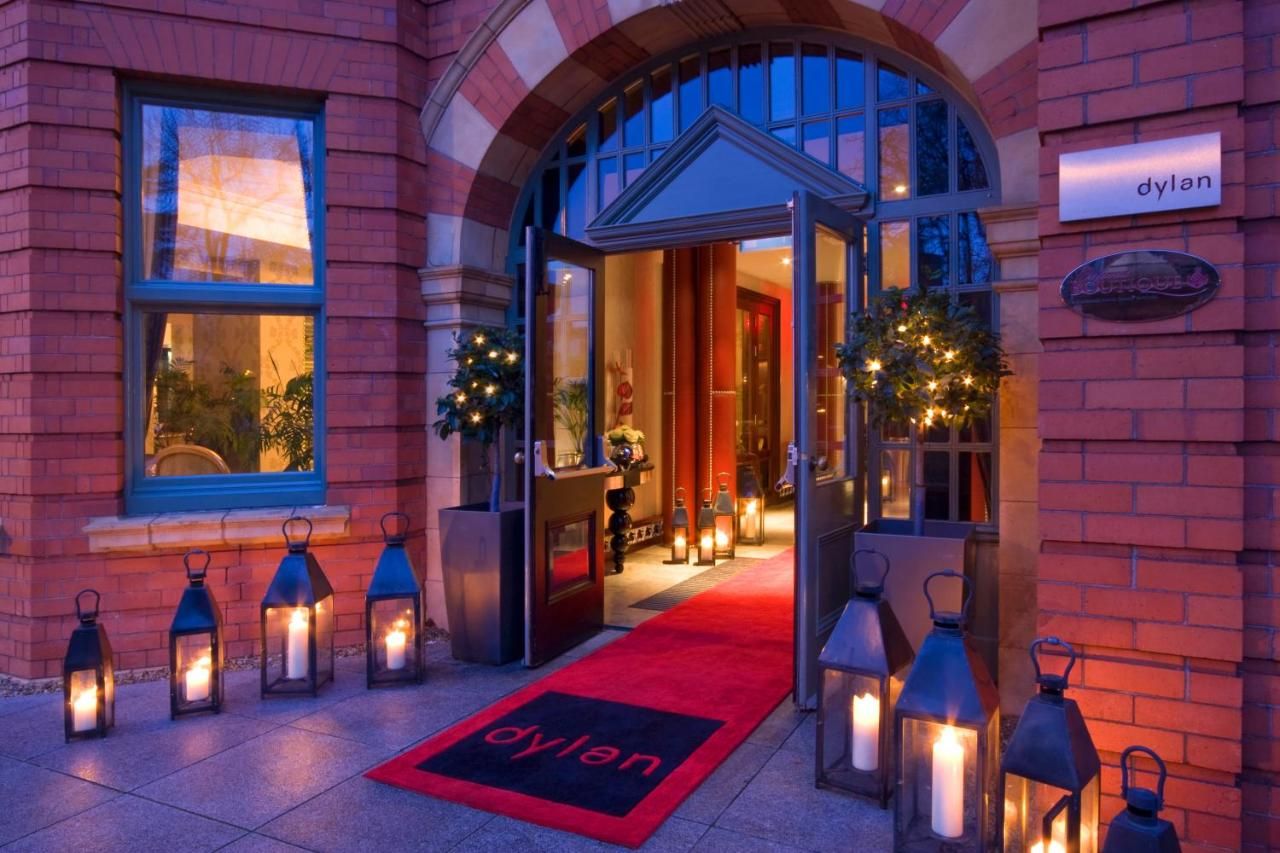
Dylan Hotel
Distance: 15-min walk away.
Price: €300 including breakfast (incl. taxes & fees)
Registration
Please note that 23% Irish VAT is added to the registration fee.
Conference Individual Registration
10-11 June
9:00 - 17:00
Access to networking events
Early Bird - April 15
€ 1,750
Conference Group Registration
10-11 June
9:00 - 17:00
Access to networking events
Registration for 3 people
Early Bird - April 15
€ 4,500
Group Registration is Closed
If you'd like to register more than 3 people, please write to events@taus.net
Expo Registration
10-11 June
9:00 - 17:00
Access to networking events
Includes 1 registration
€ 4,000