
EPIC
Resources

Massively Multilingual AI Conference 2025
The future of communication is multilingual. As AI continues to evolve, we’re moving beyond the traditional limits of language technology into a world where virtual agents can communicate fluently in any language. This breakthrough opens new pathways for businesses, governments, and innovators alike—unlocking unprecedented efficiencies and countless new opportunities. What’s next? A world where language barriers no longer exist, and where the power of AI makes us all truly global.
21 - 23 October
Salt Lake City, UT (USA)


Massively Multilingual AI Conference 2025
21 - 23 October
Salt Lake City, USA


The Format
An Ideas Market
Day 1
Tuesday 21 October
Day 2
Wednesday 22 October
Thursday 23 October
How does the AI revolution impact the localization industry?
Welcome, introductions and agenda overview

Jaap van der Meer, TAUS
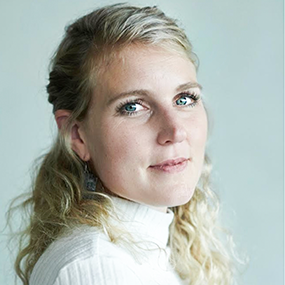
Anne-Maj van der Meer, TAUS
The pace of innovation is unprecedented. In a world in which AI Labs build models that are a hundred or thousand times larger than any self-hosted custom model, it is hard for language service and tech companies to keep up and stay relevant. In this opening session we will hear from leaders in AI what their visions are for the months and years ahead.
09:10 - Keynote Presentation: Multilingual LLMs in the Age of Reasoning
Reasoning models brought the biggest change in LLMs the last few years. They dramatically improve model intelligence, esp. in science, math and coding, tool use skills, reduce hallucinations and improve safety. They also pose challenges in training and their increased latency needs to be mitigated in products. I will give an overview of all these issues and focus on one more - how do reasoning models impact multilingual capabilities? I will show their potential for low-resource languages and specialized settings. I will also highlight how they require to adopt a very different approach from the standard LLMs in data gathering and fine-tuning.
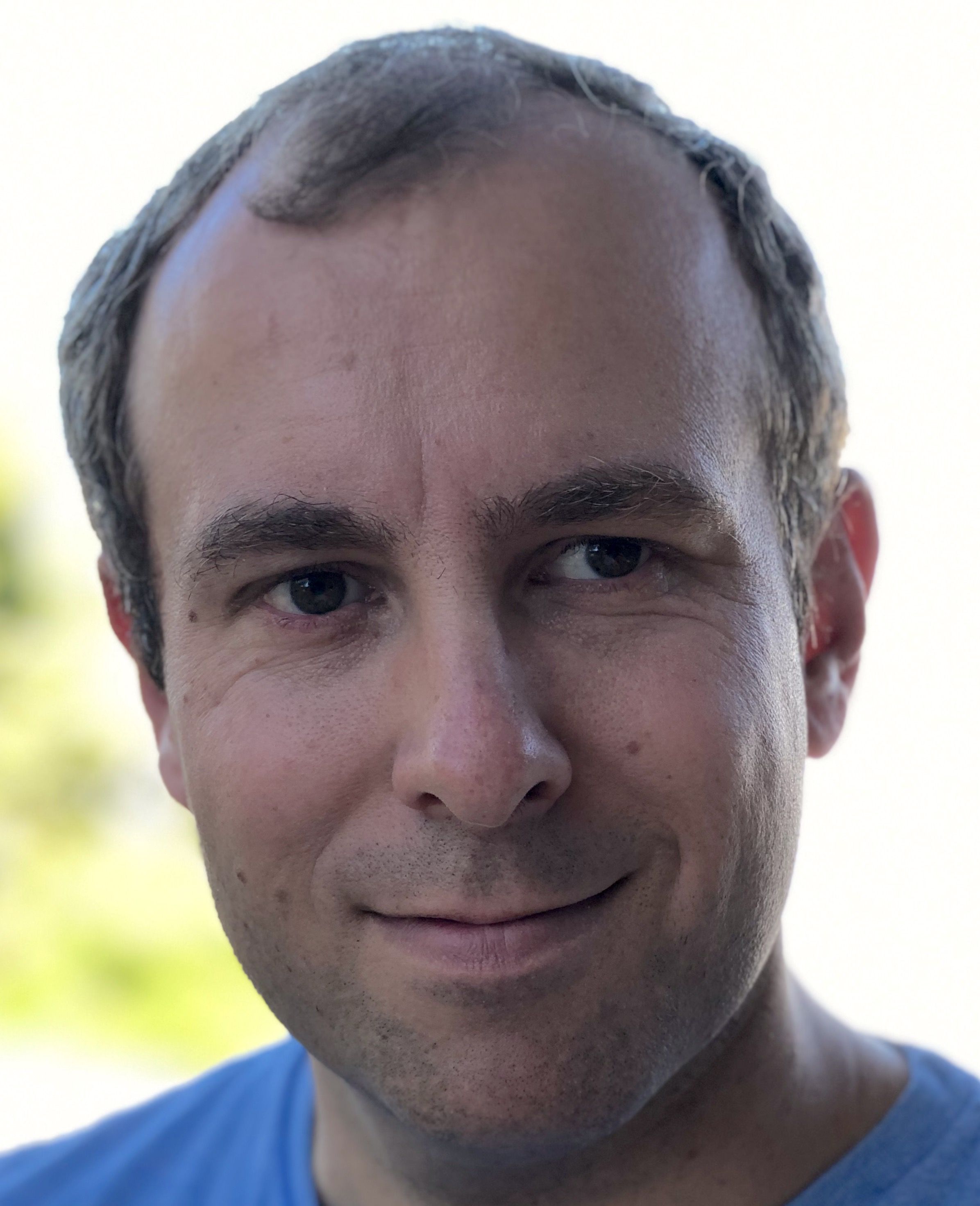
Łukasz Kaiser (OpenAI)
09:40 - Lightning Talk: Artificial Translation and Creation of Literature: Seriously?
Mark will give a sneak preview of recent work in this area, with some astonishing demos. The study entails (no doubt foolhardy) efforts to abstractly and operationally define intelligence, language, and understanding.
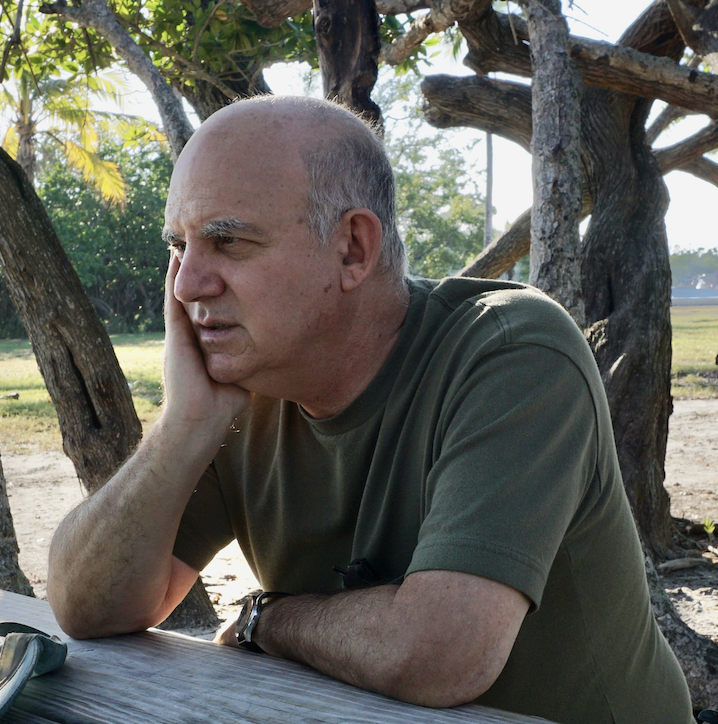
Mark Seligman (Spoken Translation)
9:50 - Panel Conversation
Panel conversation on topics like:
Convergence between AI and the language industry
Democratizing (access to) language technologies
Geo-shifts in AI: innovation beyond the Bay Area
Removing English bias and surfacing less-resourced languages
High-quality, relevant multilingual data: how do we get it, who controls it?
Mark Seligman (Spoken Translation)
Moderator
Lukasz Kaiser (OpenAI)
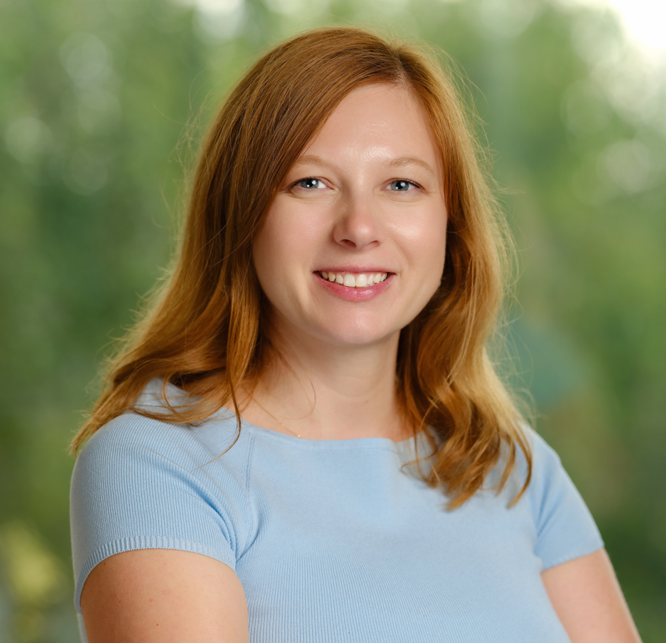
Dominika D'Agostino (DATAmundi)
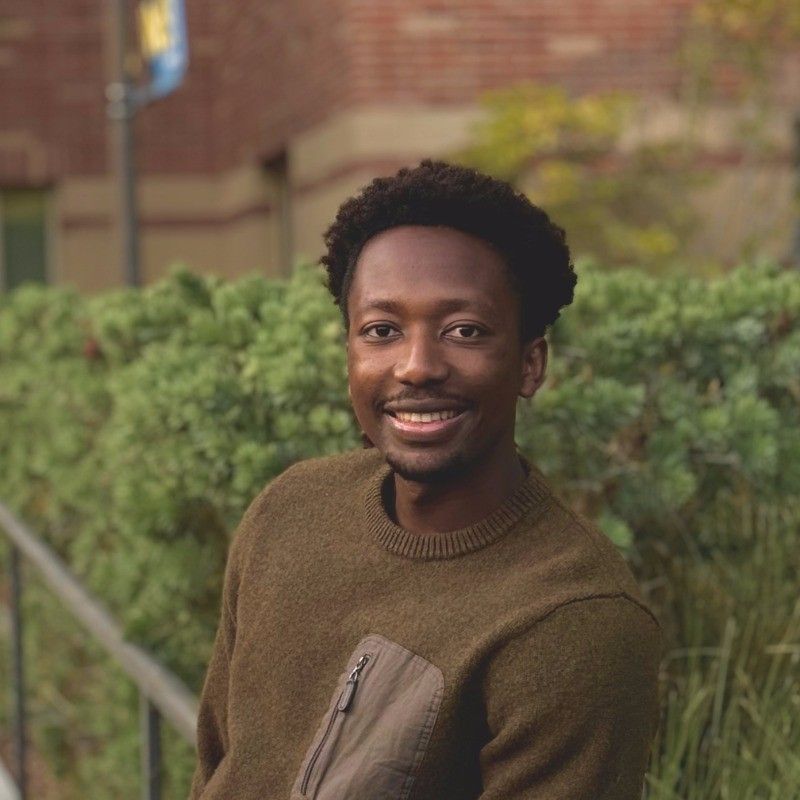
Sheriff Issaka (African Languages Lab)
10:40 - Lightning Talk: From Neutral to Natural: Hyperlocalization with AI
One-size-fits-all Spanish doesn’t exist. Juan and Paola reveal how Meta and RWS used AI to capture regional authenticity across Latin America.
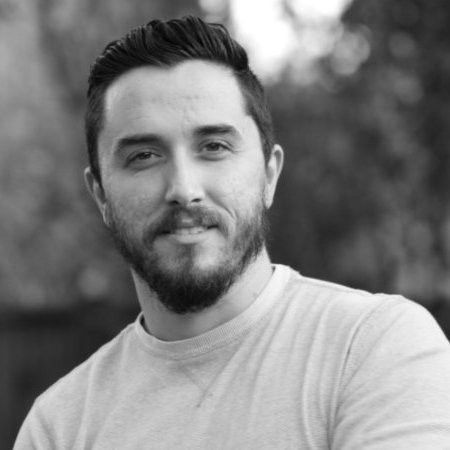
Juan Rowda (Meta)
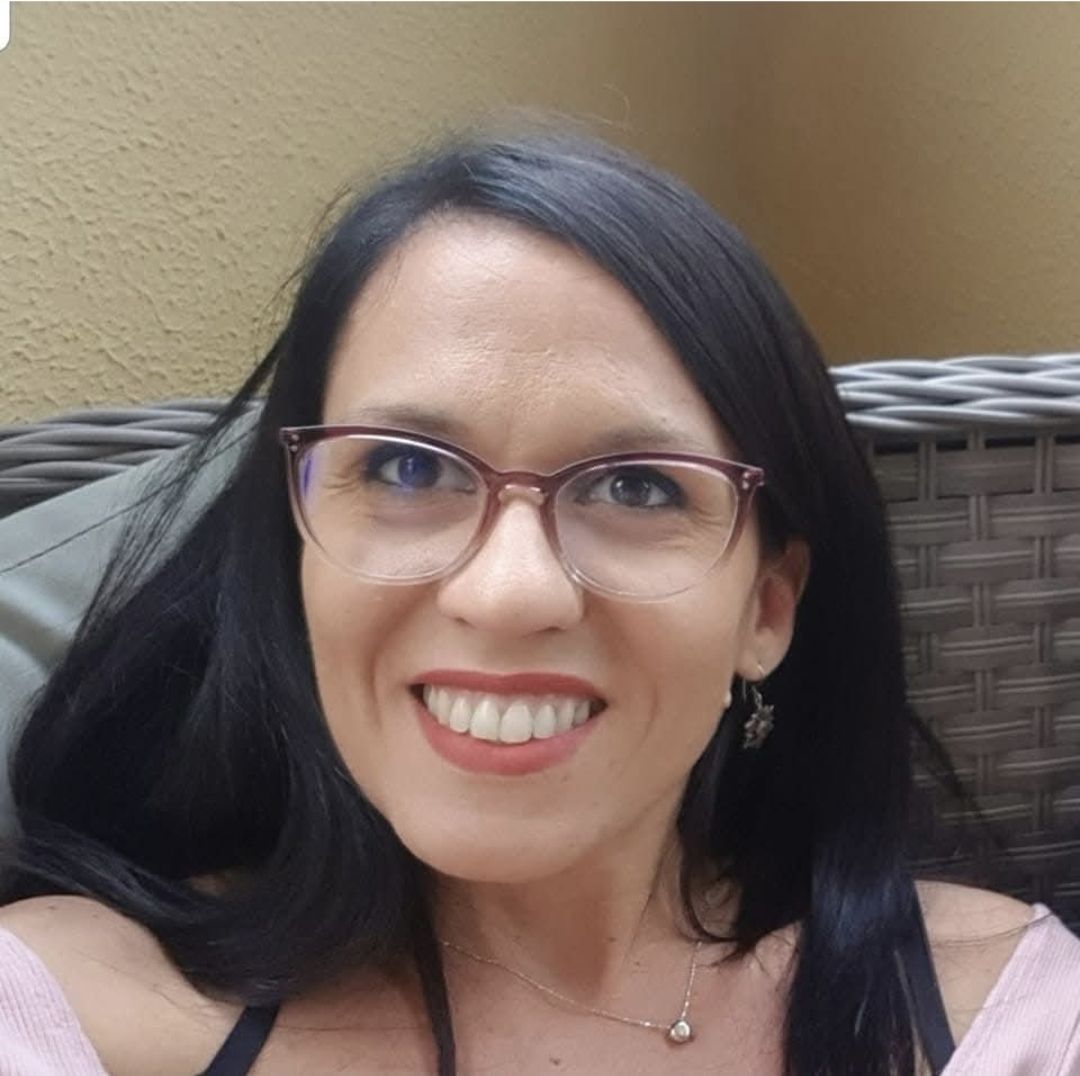
Paola Tirelli (RWS)

Coffee and tea
The popularity of MT is rising, not in the least thanks to the integration of LLMs with NMT models. New market opportunities are opening up beyond text translation for documents: messaging apps, website CMS, contact centers, CRM platforms, and conversational AI platforms. This enhances customer and employee experiences. Meanwhile, the localization industry relies for well over half of its total translation production on MT, emphasizing the urgency to add AI-like technology for Quality Estimation (QE) and Automatic Post-Editing (APE).
11:20 - Lightning ️Talk: The Next Era of Machine Translation
Philipp, co-inventor of phrase-based SMT, has lived through a few revolutions in the world of Machine Translation. In his talk he will share his perspectives on the latest innovations: embracing speech and video, multilinguality in LLMs and address the question whether we are better off with LLMs or standalone models.
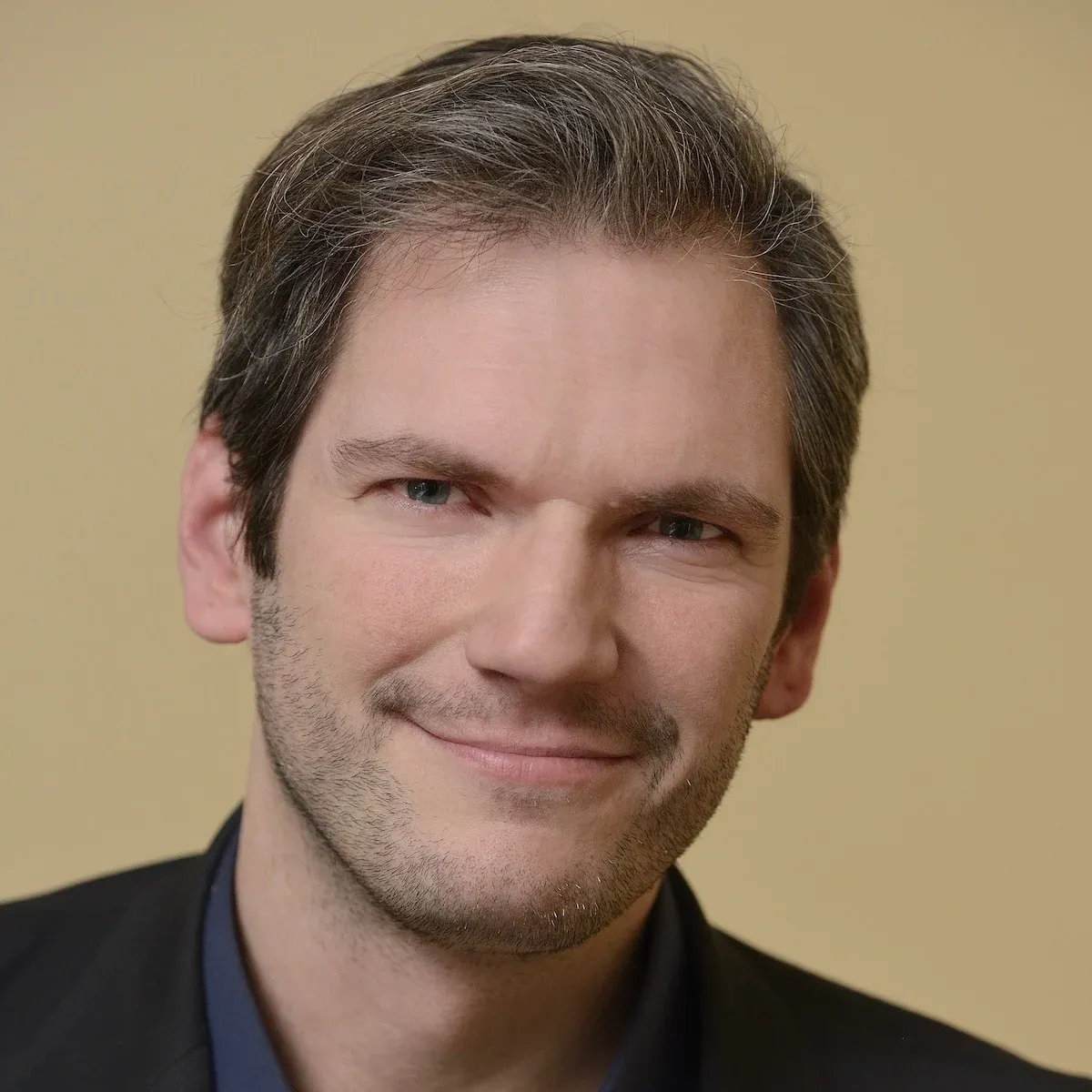
Philipp Koehn (Johns Hopkins University)
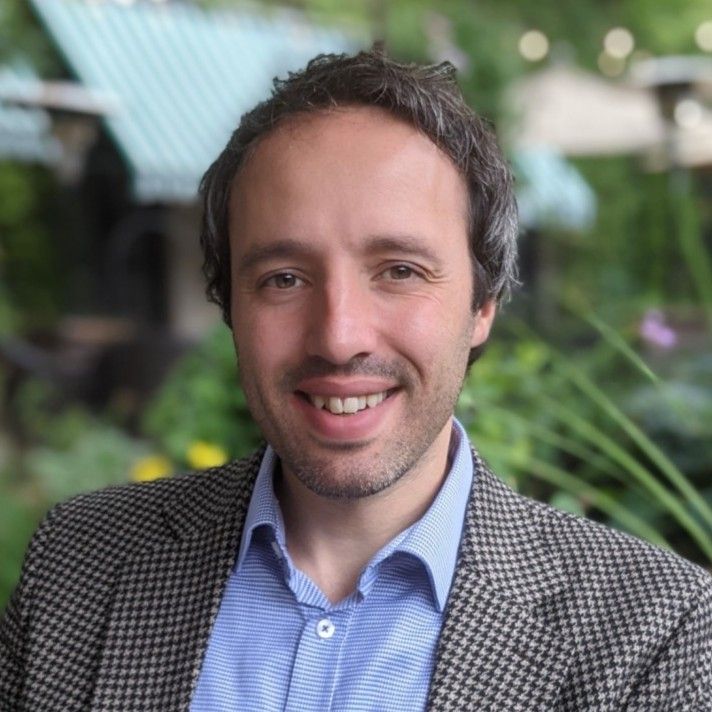
11:30 - Lightning ️Talk: Massively Multilingual eLearning
E-learning courses aren’t documents—they’re clicks, branches, media, variables, and timing, and that’s why existing solutions fall apart. In this talk Simon presents Articulate's journey to a purpose-built workflow for streamlined e-learning localization.
Simon Taghioff (Articulate)
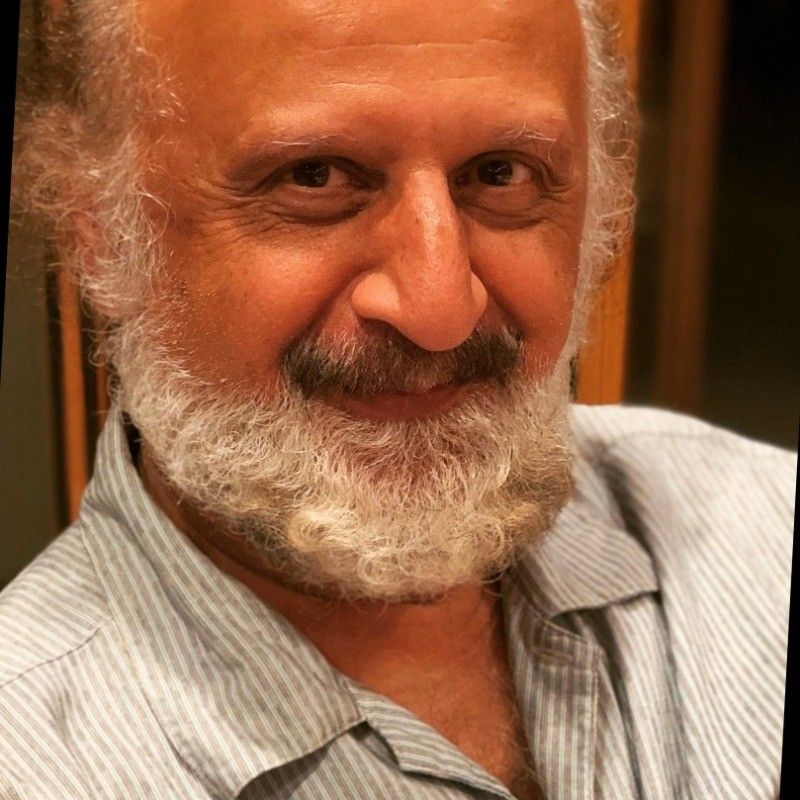
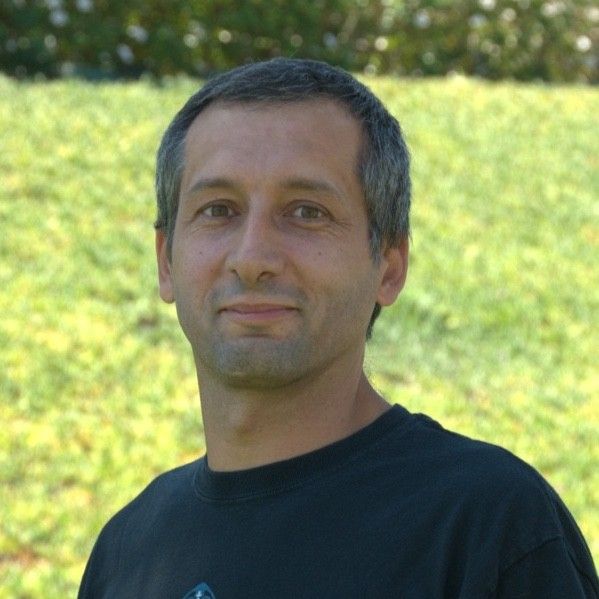
11:40 - Panel Conversation
Panel conversation on topics like:
The evolving relationship between dedicated MT systems and general-purpose LLMs
Pushing beyond parity: where MT still leads and where prompting is closing the gap
Evaluating performance: what metrics still matter, and what’s next
From 100 to 1,000 languages: data, inclusivity, and the economics of coverage
Kirti Vashee (Translated)
Moderator
Dragos Munteanu (RWS)
Philipp Koehn (Johns Hopkins University)
Watson Srivathsan (Amazon)
JP Barraza (ChapsVision)
Language Quality Assurance (LQA) will never be the same. It is simply not fast and efficient enough to keep up with the rapid increase in multilingual content. But, as early adopters of Quality Estimation (QE) can tell, the traditional way of quality assessment is also not always good enough. AI tools are now coming on the market that run QE real-time and ensure consistency and full control over preferred terminology and style.
13:30 - Lightning Talk: Automating Trust in the Translation Workflow
TRSB is one of the early movers implementing Quality Estimation (QE) for its Canadian customers. Ron will share the experiences from exploration to full implementation and the benefits

Ron Hewitt (TRSB)
13:40 - Lightning Talk: Human Quality at AI Scale
Embracing cultural nuances and under-resourced languages promotes diversity, autonomy, and equality in multilingual translation and makes AI more intelligent, accurate, and reliable. Ilan will describe Lexicala’s corresponding QE enhancements for language and translation models.
Ilan Kernerman (Lexicala)
13:50 - Panel Conversation
Panel conversation on topics like:
Can traditional LQA metrics survive the shift to AI-native workflows?
Rethinking the role of humans in review, evaluation, and model alignment
Leveraging MTQE, APE, and scoring to drive decisions
Balancing speed, scale, and trust in increasingly automated pipelines

Amir Kamran (TAUS)
Moderator
Ashley Mondello (Language Scientific)
Stéphane Cinguino (Acolad)
Ron Hewitt (TRSB, Inc.)
AI is part of every conversation, concept and process, but where does that leave the humans? Which skills truly matter when AI does the bulk of translation? How should universities and companies prepare talent for roles that didn’t exist five years ago? And how do we ensure the industry continues to attract creative, critical thinkers who can partner with AI rather than compete with it? In this panel, diverse voices discuss and define the human-AI collaboration and work out a prosperous partnership where human creativity can shine and AI’s capabilities help us scale and speed up.
14:30 - Lightning Talk: When AI Doesn't Work
AI only works if the business wants to pay for it and if the training data are available. That leaves the majority of languages still in the ‘dark ages’. Jace Norton will share his perspectives on the long road for indigenous languages to travel into the future and what that means for the language workers.
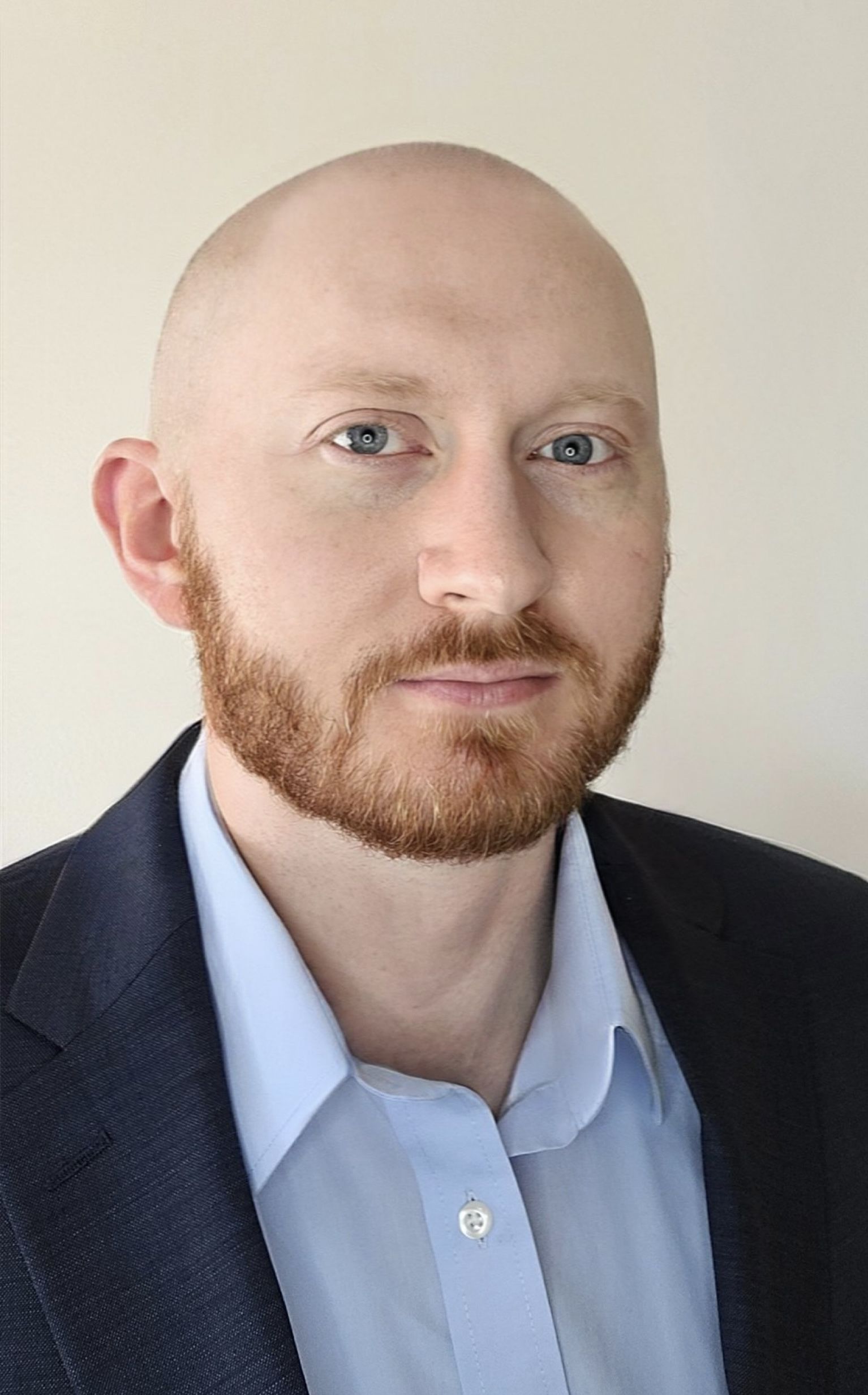
Jace Norton (Maya Bridge)
15:00 - Panel Conversation
Panel conversation on topics like:
Evolving skills and roles for an AI-driven localization industry
Preparing talent for jobs that didn’t exist five years ago
Attracting and retaining creative, critical thinkers
How humans and AI can complement each other for speed, scale, and quality
Ethical, inclusive, and culturally aware AI-human collaboration

Erik Vogt (Argos Multilingual)
Moderator
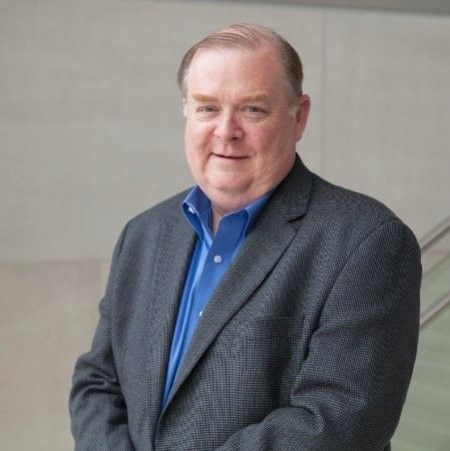
Pete Smith (University of Texas at Arlington)
Jace Norton (Maya Bridge)
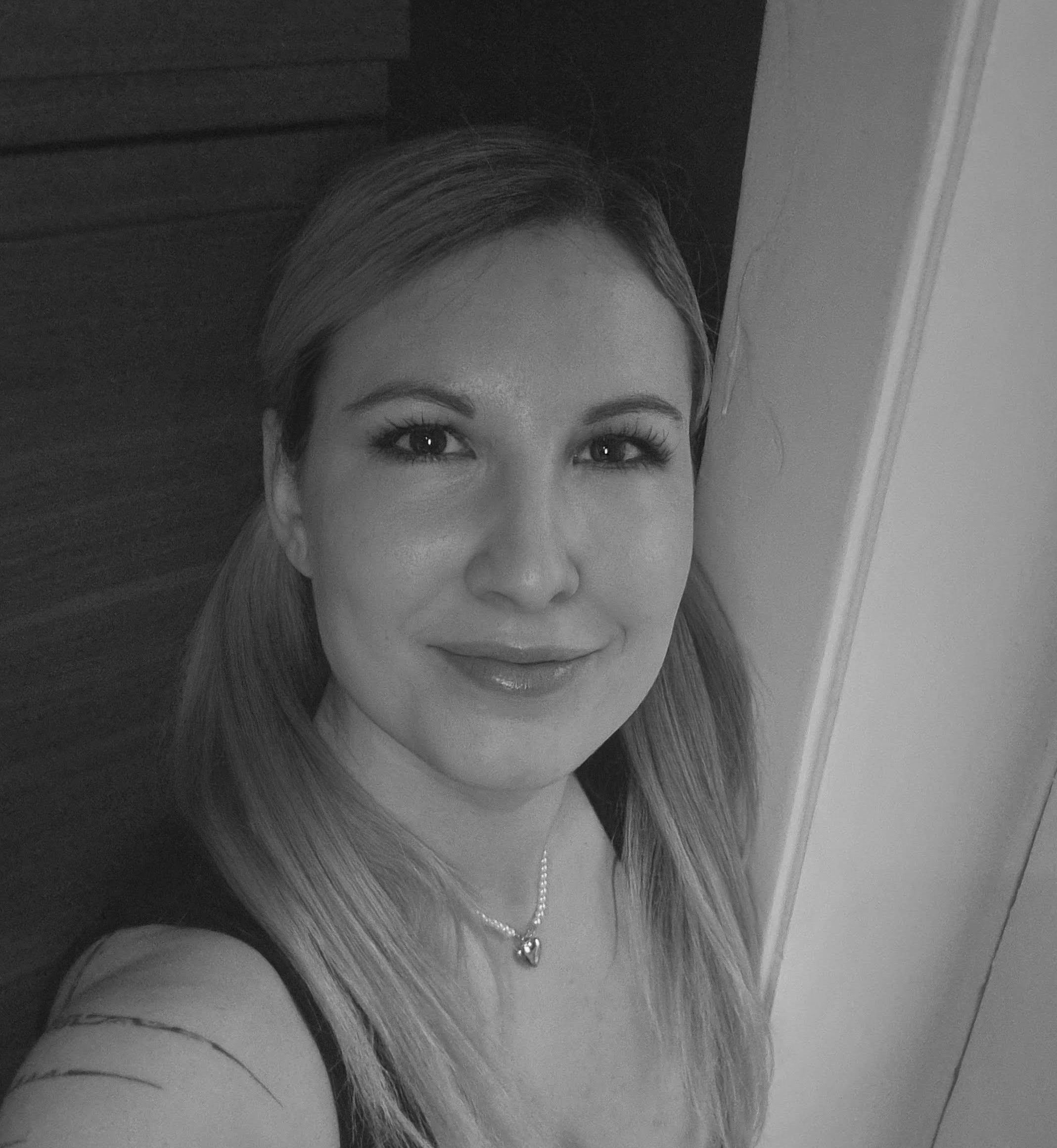
Petra Angeli (Acolad)
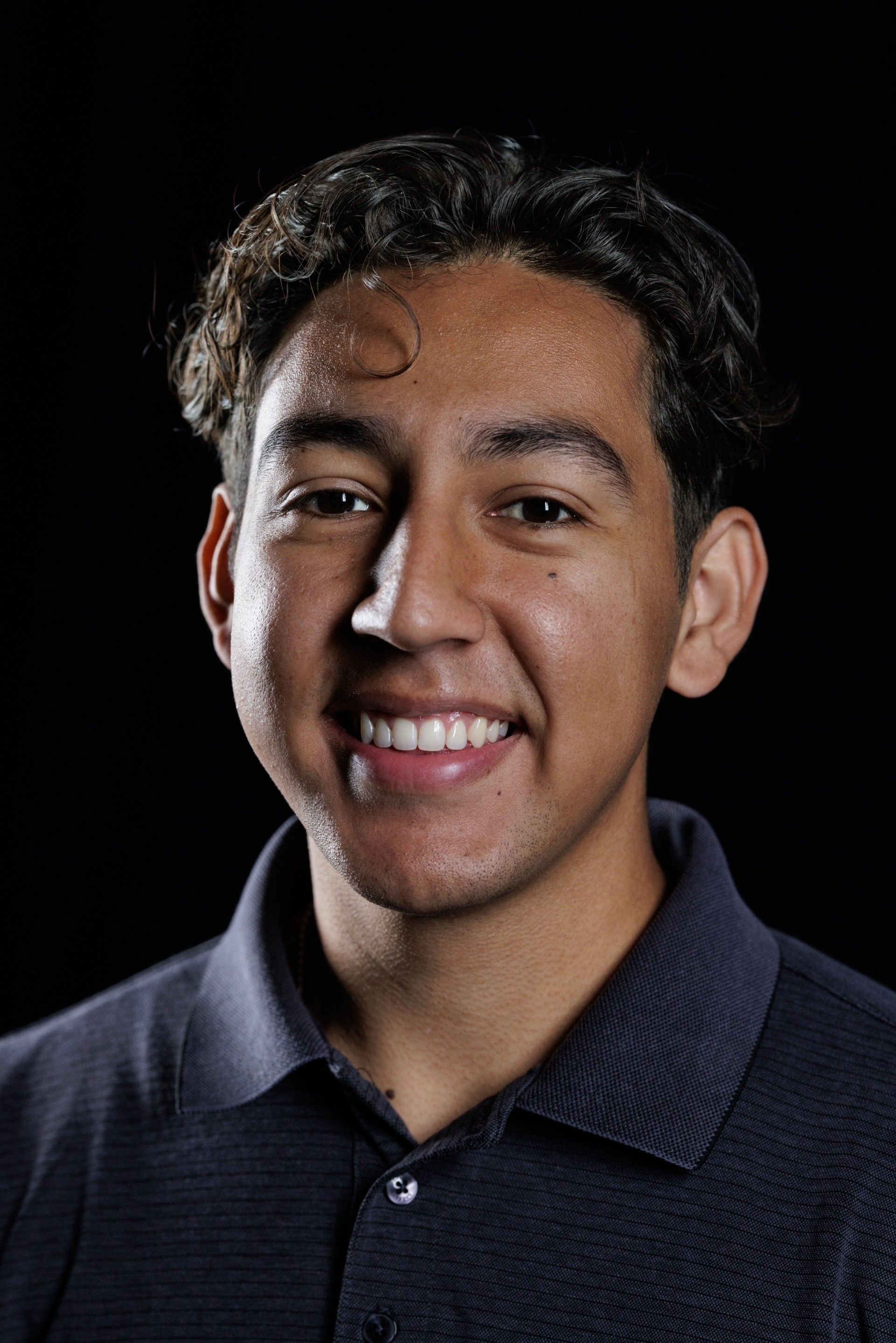
Nicholas Paz (BYU)
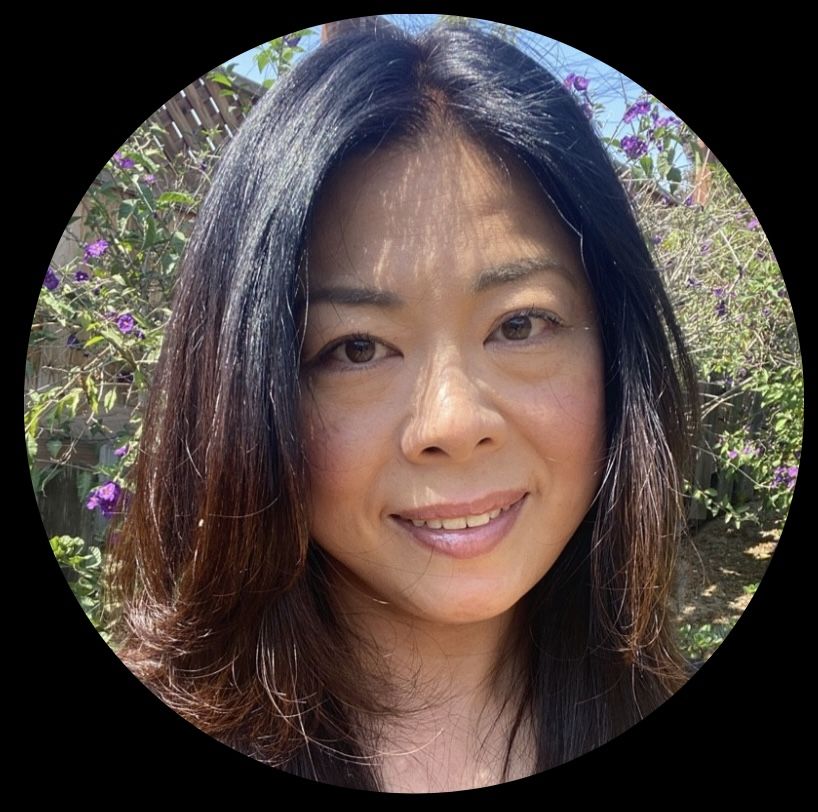
Michiyo Weinstock (Hyatt Hotels)
Coffee and tea
After a day of knowledge sharing, it’s time to dive into a dynamic and interactive session of roundtable discussions. Seated in small groups around the tables, you'll participate in two rounds of 20-minute discussions on the key questions connected to the day’s theme. Each group will capture their ideas using a shared digital tool and prepare a short recap. Group chairs will share highlights and takeaways with the full audience.
How does the AI revolution impact the localization industry?
What are the best ideas of the day?
Anne-Maj van der Meer (TAUS)
Moderator

Marina Pantcheva (RWS Group)
Moderator
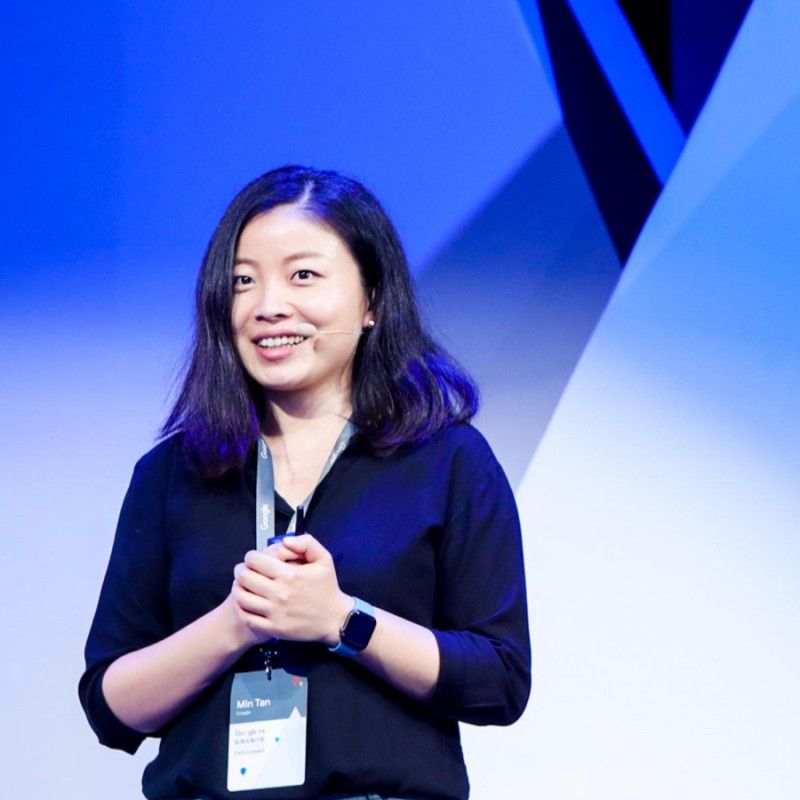
Min Tan (Google)
Moderator
Prize award for the best lightning talk and key insights for the day.
End of day 1
RSVP required.
