

EPIC
OVERVIEW
What is EPIC?
The platform in a nutshell
Choosing a QE Model
Match model to content & risk
EPIC FEATURES
Quality Estimation
Score translations automatically
Automated Post-Editing
Clean up MT output at scale
Retrieval-Augmented Generation
Feed context with glossaries
Specialized Models
Language specific models
USE EPIC
Integrations
Connect with your TMS & Tools
API Docs
Technical docs & API references
EPIC APP
Interactive playground & sandbox
Resources
Blogs
Perspectives from our team
Reports
In-depth industry research
Webinars
Live and on-demand sessions
Case Studies
Real results from real teams


Sponsored by


TAUS Massively Multilingual AI Conference Rome
TAUS Massively Multilingual AI Conference Rome
AI allows us to create virtual companions that can speak our language, any language, as well as humans. This is a technology breakthrough that shakes up the world. It can make businesses and governments a hundred times more efficient and it creates thousands of opportunities for innovation. If only we start thinking and operating truly and massively multilingual.

18 - 20 June 2024

Rome, Italy

Sponsored by
Program
Speakers
Workshops
Venue
Networking
Contest
More Information
Note: this is not the final program. Times, speakers and topics may change. Updates will be published on this web page.
Day 1
Tuesday 18 June
Day 2
Wednesday 19 June
Day 3
Thursday 20 June
Prompt Engineering for Localization Workshop
Anne-Maj van der Meer (TAUS)
Quality Estimation Workshop

Jaap van der Meer (TAUS)
Evolution of the research, use cases and adoption of MTQE research, over time and an overview of the employed models and the scoring techniques

Amir Kamran (TAUS)

Christian Federmann (Microsoft)
Marta Nieto Cayuela (Uber)

Coffee and tea
Find out more about how you can implement a quality estimation step into your existing TMS or workflow management systems or directly into your MT workflow.
Ádám Gaugecz (Memoq)
Dive into the technical aspects of MTQE implementation, including customization, data requirements, language support, and strategies to evaluate.
Amir Kamran (TAUS)
Engage in open discussion, ask questions and exchange insights with presenters and fellow participants to further explore the nuances of MTQE
Massively Multilingual AI Conference
Welcome, introductions and agenda overview
Jaap van der Meer, TAUS
Anne-Maj van der Meer, TAUS
09:15
Untold stories
The convergence of AI and language technology is the culmination of a long history of losses and failures.
What is so special about Machine Translation that we, humans, seem to never give up? There is something mysterious and religious about this business. In a conversation with the audience, Marco Trombetti and Jaap van der Meer, will dig up untold stories about the gurus and heroes who came before us, fighting the battle that we are still fighting today. Kicking off the first TAUS Massively Multilingual AI conference they will lay out a vision of what’s next, whether we like it or not.
Marco Trombetti, Translated
Jaap van der Meer, TAUS
09:45
Panel discussion
Execs from AI Labs discuss the challenges and opportunities of massively multilingual models and applications. English is the dominant language in the world of tech and AI research. Models are trained for more than 90% on English language data. Inevitably the LLMs look at the world through English filters. The focus of this session will be how to overcome this language bias and how to move towards a more democratic and inclusive world of AI. Models and algorithms alone can not solve this problem on their own. In other words: AI needs the language industry, and the language industry needs AI. How convergence of two industries can accelerate our path towards truly multilingual AI.
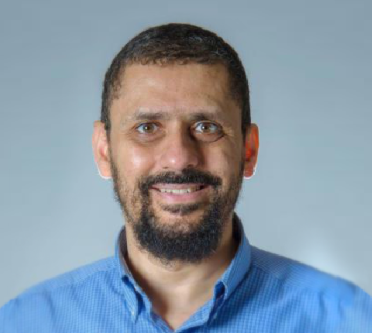
Kareem Darwish, aiXplain
Christian Federmann, Microsoft
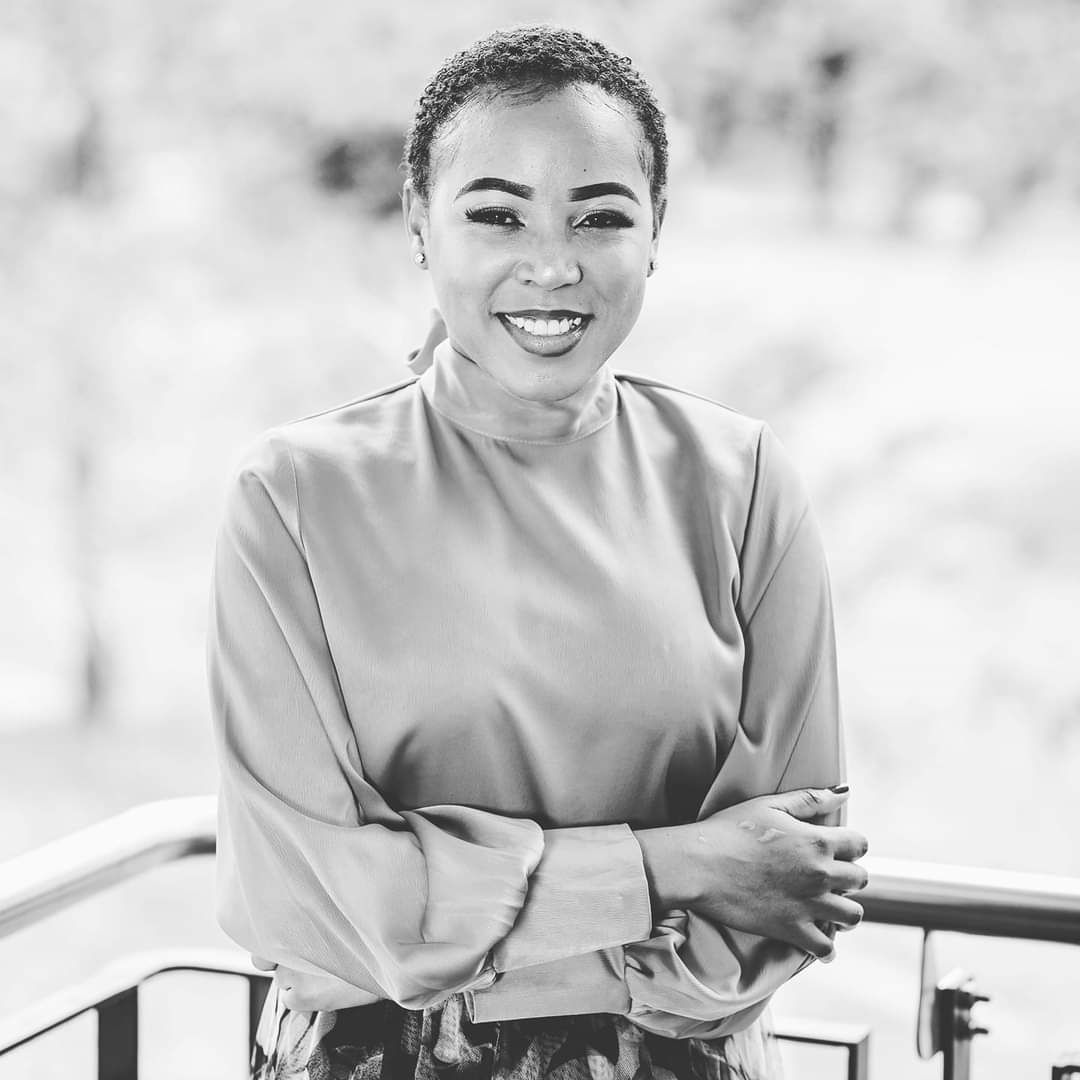
Gina Moape, Common Voice

Lucie Gianola, Ministry of Culture France

Moderated by Julie Belião, Mozilla AI
Coffee and tea
11:45
A fast-paced innovators competition
Twelve innovators and disruptors have been selected to compete for the highest trust and scores from the audience presenting their AI solutions in six minutes.
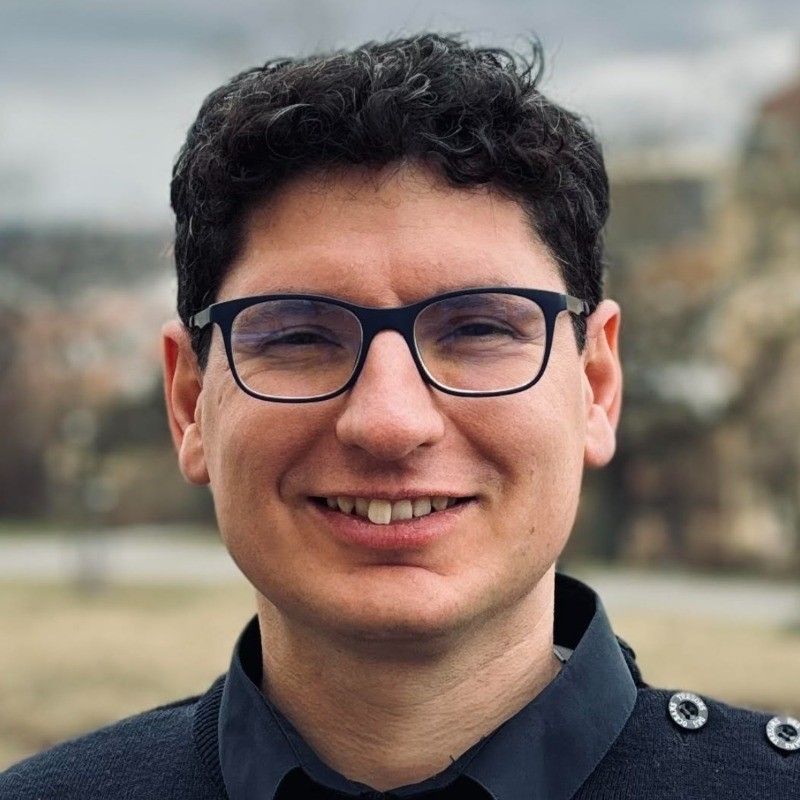
Host: Konstantin Dranch, CustomMT
Host: Anne-Maj van der Meer, TAUS
11:47
Evolve
Evolving the translation process at scale beyond just translation quality assessment or automatic post-editing. How can organizations leverage a coherent combination of human specialists, process management and new generation AI with both excitement and realistic pragmatism baked in. At a lower cost than yesterday
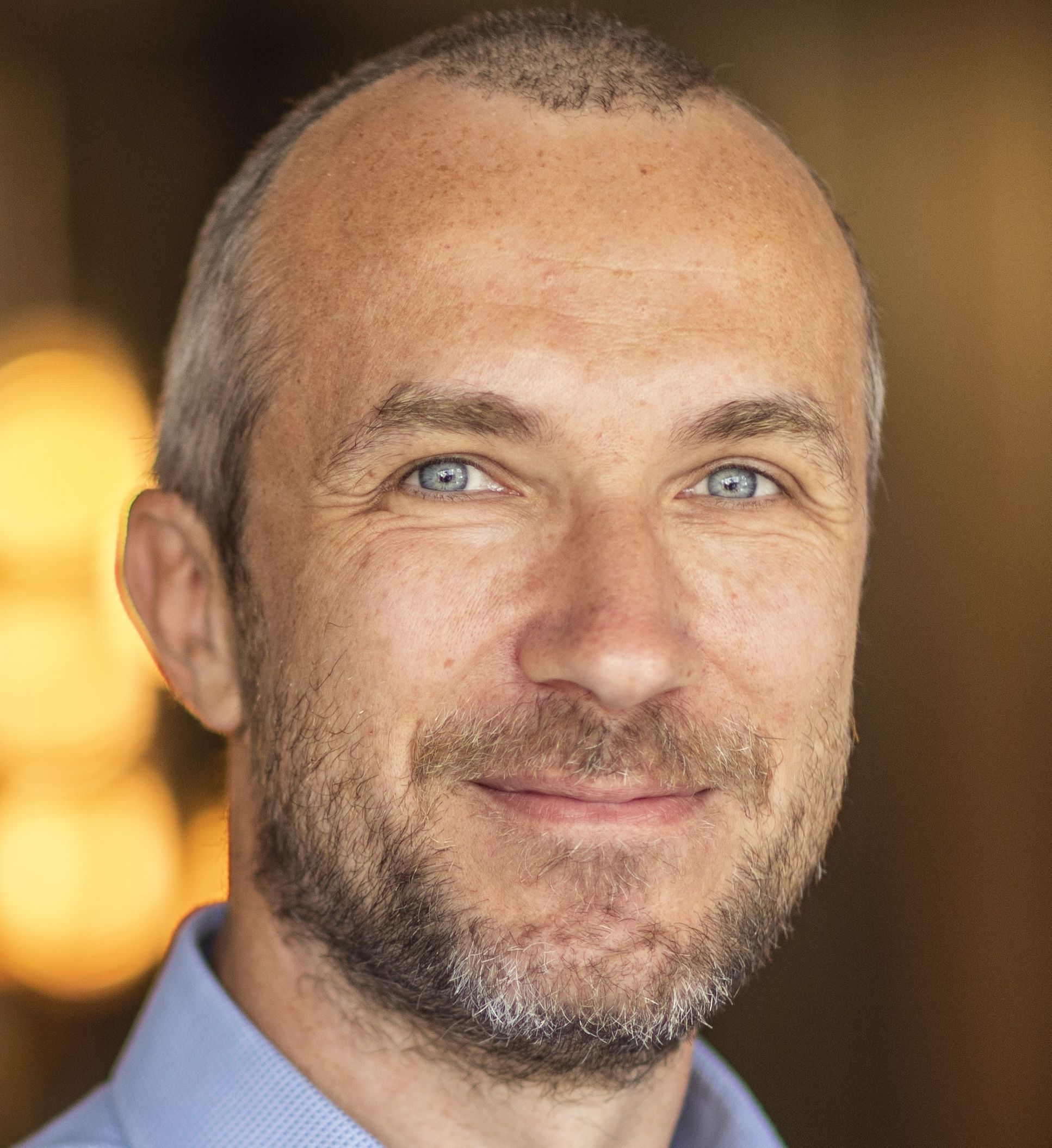
Rares Vasilescu, RWS Group
11:53
Next-Generation MT
The unique capabilities of LLMs (large language models) create an unprecedented way to customize neural network behavior. LLMs are great for incorporating linguistic data and making machine translation customized with proper terms and phrases. memoQ AGT offers machine translation with instant domain adaptation accessible to anyone.
Ádám Gaugecz, memoQ
11:59
Mastering Video Quality Control: Introducing fly.qc
The presentation will introduce fly.qc to the audience. This innovative tool enables users to synchronize videos offline, facilitating efficient collaboration and review. With fly.qc, users can effortlessly add comments, generate detailed quality reports, and ensure consistent localization across all multimedia content. By streamlining quality control within the localization workflow, fly.qc significantly reduces errors, saves time, and enhances overall efficiency. Experience the power of fly.qc and elevate your video localization efforts to new heights.
Óscar Martinez Diaz, LOC & CAPTURE SL
How to establish a human-centric policy towards AI
Will the EU AI Act serve as a model for the whole world, providing the necessary guardrails to the adoption and implementation of the AI systems? Or will it turn Europe into a digital ghetto, stifling innovation on our continent? How do we deal with the ethics around the usage of data and the privacy of users? And what about other laws that drive consumer activism and fuel mass claims, whilst on the other hand sharing of data becomes more important and will be propagated by law makers? Complex questions that affect everyone producing and consuming multilingual content.
In this session we will have experts from the legal and data sectors sharing their perspectives on a fair, competitive and compliant AI future for Europe.

Wouter Seinen, Pinsent Masons
Jaap van der Meer, TAUS
Enjoy a lunch and check out the Expo.
The corporate globalization perspective
AI is at the top of the corporate agenda with sizable investment budgets behind it. But are we ready to jump to touchless translation, to automatic multilingual content generation, polyglot chatbots and self-driving workflows? The stakes are high. Failure to deliver can set us back dramatically. In this conversation with globalization leaders and CTOs we hear exciting stories but we also get reality checks. The transition from just using Neural MT for translation automation to now introducing GenAI in every facet of enterprise content and customer contacts leads to unprecedented changes in processes, tooling, vendors and ethics. We have no choice, we must embrace AI. The organization needs to adapt.

Mikolaj Szajna, Booking

Nicola Dorrington, GetYourGuide

Ilia Shifrin, Teleperformance
Hameed Afssari, Uber
Moderated by Jaap van der Meer, TAUS
Coffee and tea
16:15
PromptLoc: User-controlled precision AI-solutions for any language task
Current LLM-based products and services are limited to single tasks (e.g., custom translation) and offer users minimal control. This contrasts with the potential of LLMs to handle various language tasks and be user-friendly for non-experts. PromptLoc democratizes AI solutions by allowing users to customize and control operations through natural language prompts. These prompts can include dynamic placeholders for specific details in xliff files, making the tool flexible for any application. It's like a Swiss army knife for localization tasks, enabling creative solutions and expanding accessibility.
Márton Jánosy, Edimart
16:21
Unlocking Gender-Specific Machine Translation in Media Localization
In media localization workflows, consistent machine translation (MT) for speaker gender is crucial. AppTek's innovative approach integrates predictive speaker gender labels into their MT systems, reducing post-editing effort significantly. Deluxe's implementation showcases improved accuracy in gender-specific word forms across languages like Spanish and Hindi, alleviating gender bias while maintaining high overall MT quality. This presentation explores the seamless integration of predictive speaker labels and MT, promising enhanced efficiency and accuracy in media localization processes.
Evgeny Matusov, AppTek / Deluxe
16:27
Content Checker: Revolutionizing DEI and Regulatory Compliance
Our AI-driven content assessment tool redefines the assessment of content compliance across a broad spectrum, including DEI principles and various regulatory frameworks. Utilizing cutting-edge AI algorithms, this tool automates the validation process for inclusivity, legal integrity, and regulatory adherence, identifying gaps and offering actionable insights to empower businesses to navigate the complexities of global standards faster and more efficiently.

Frédéric Queudret, Acolad
End of day 1
RSVP required. More information will be shared shortly.
Massively Multilingual AI Conference
Welcome, introductions and agenda overview
Jaap van der Meer, TAUS
Anne-Maj van der Meer, TAUS
The immersion of MT into AI.
Leaders from the world of MT are the patriarchs of AI. In this session they discuss the transformation in their programs as a result of the remarkable success of Large Language Models. The question of human parity in MT, causing heated debates some six years ago, is back on the agenda. What keeps the heads of MT programs busy these days and what should they worry about in the next year or two? If MT is getting better so quickly now it becomes harder and harder to find the errors. What does that mean for the modern translation practice? Is there still a place for TMS systems and what about specialization of MT for domains and customers?
Christian Federmann, Microsoft
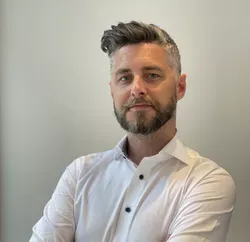
John Tinsley, Translated
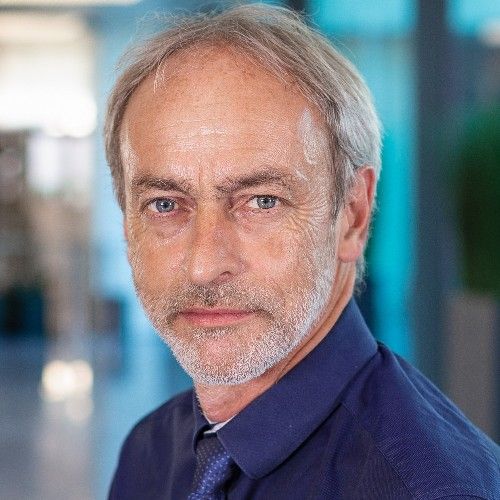
Bruno Pouliquen, World Intellectual Property Organization
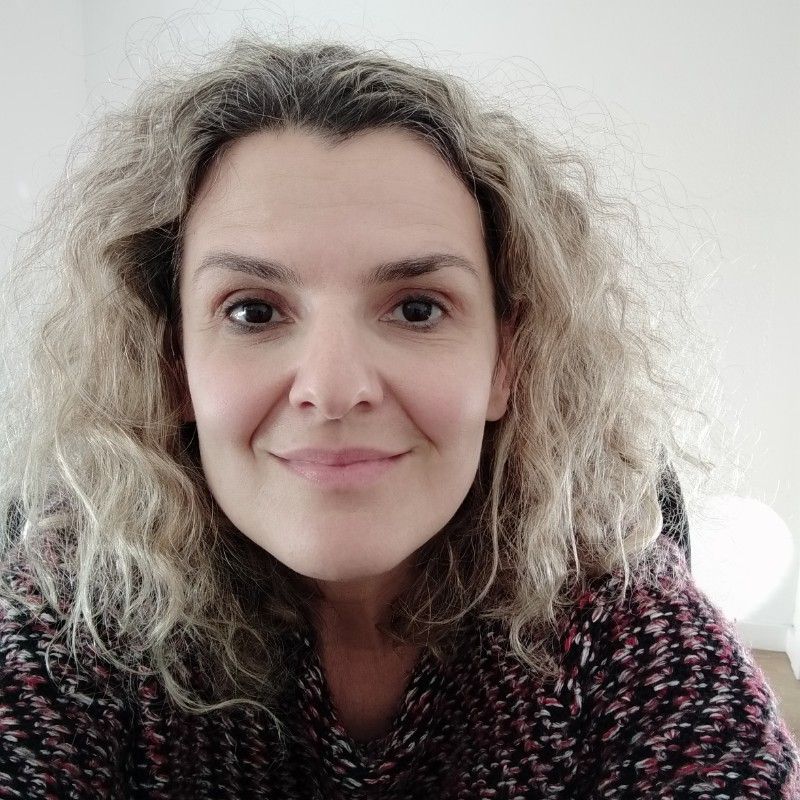
Giovanna Conte, Centific
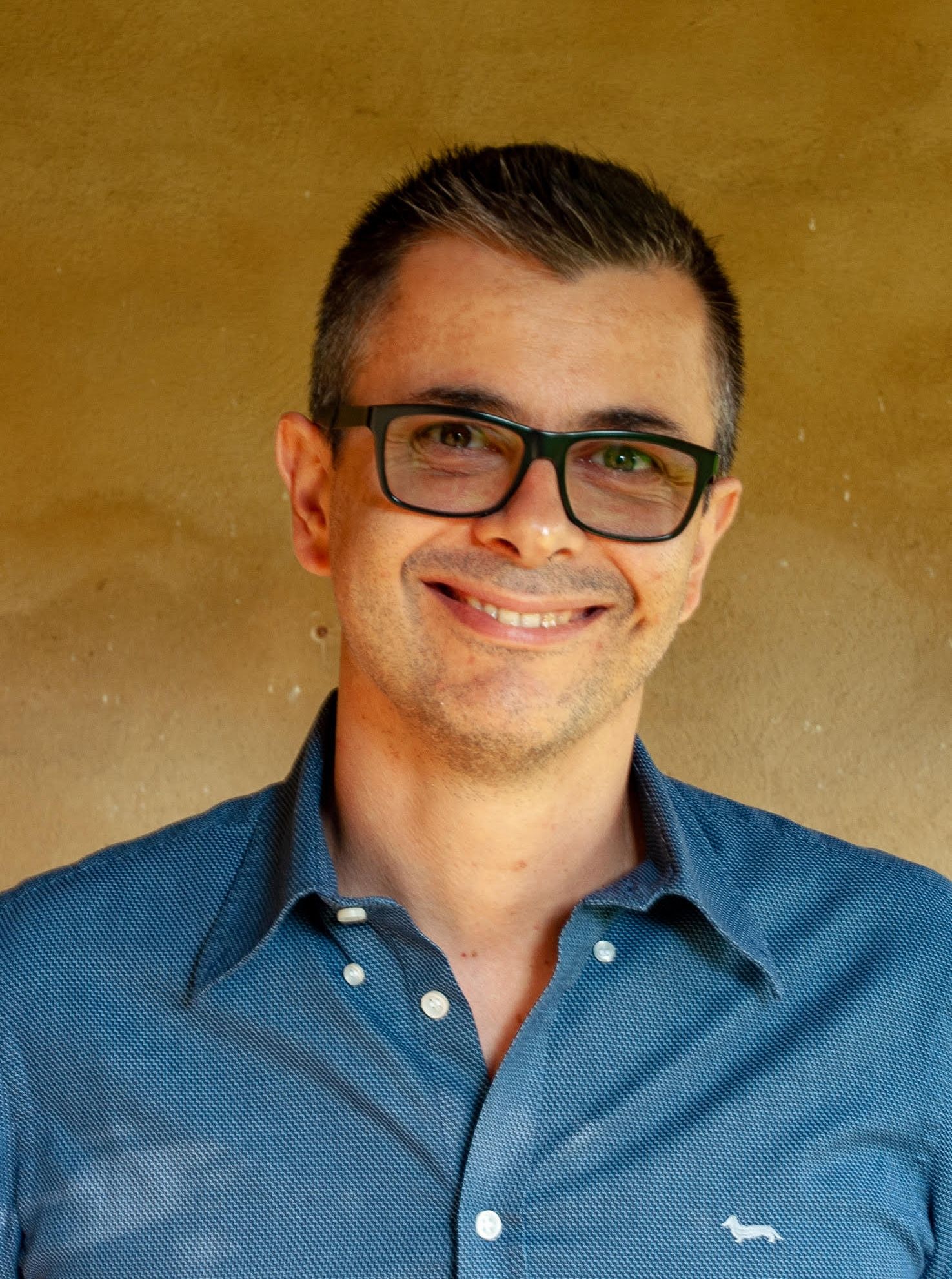
Moderated by: Marco Turchi, Zoom
Coffee and tea
11:00
Janus Worldwide’s Smart LQA
Discover Janus Worldwide's Smart LQA: Revolutionizing Linguistic Quality Management with AI. This innovative system tailors Linguistic Data Management, automating processes to optimize efficiency and reduce costs. With customizable quality assessment programs, Smart LQA ensures accuracy across various language pairs and domains, adapting check frequency based on stability. Its multidimensional evaluation combines Translation Quality Index with accuracy and fluency metrics, providing comprehensive insights for informed decision-making. Explore Smart LQA's adaptable reporting features, offering full visibility and detailed analyses across clients, vendors, and projects, ultimately streamlining quality control in linguistic services.
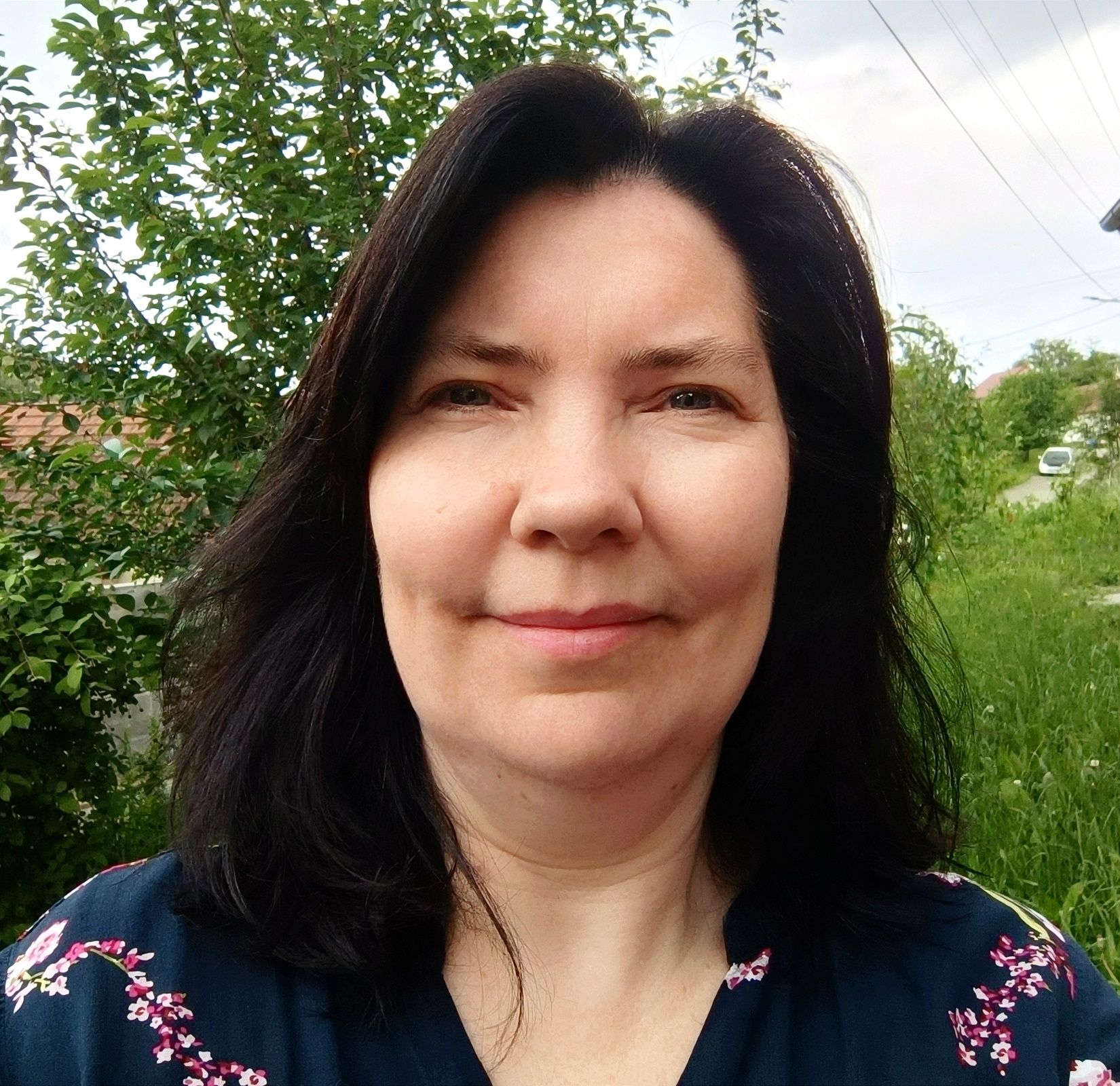
Ariana Habrova, Janus
11:06
High Quality Translations in Excel with LLMs
Even though machine translation has come a long way thanks to the recent advances in LLMs like ChatGPT, it is still not up to par with professional translators. When Hubspot approached us to automatically evaluate translations, we set out to work in collaboration with Custom.MT. We were not only able to build a good critic. To our surprise we also succeeded in making the system provide accurate suggestions on how to improve the translations. So, we decided to use this ‘critic’ to automatically make the translations better. This became our high quality translation system. We integrated it into Excel so it becomes really easy to use and to evaluate the translations.

Pieter Buteneers, Structize AI
11:12
Self-service AI localization with Flow by Centific
Flow by Centific is a self-serve AI localization portal designed to empower localization stakeholders and customers. It allows them to easily onboard projects and execute AI-infused tasks directly and efficiently, eliminating the need for tech intermediaries. Flow’s integrated AI features enhance operational efficiency, enabling users to shape the platform to their specific needs. By onboarding their own models and creating custom AI features, users can significantly boost efficiency and streamline localization efforts with just a few clicks.
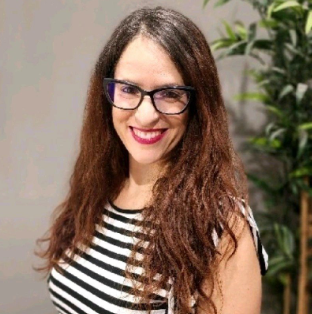
Selvaggia Cerquetti, Centific
The (language) industry embraces GenAI and rolls out new (revolutionary) strategies, programs and products
Convergence of AI and language technology leads to unprecedented innovation. In this session we will have language service and technology providers discuss the challenges and opportunities of the shifts to machine intelligence. The challenges include the uncertainties, the risks of failures and the inevitable tactics of trial and error. The opportunities on the other hand are the opening of new (language) markets, the launch of new services and the complete overhaul of traditional localization processes and workflows. They will share what they venture, what went wrong, what went well and how they see the landscape changing.
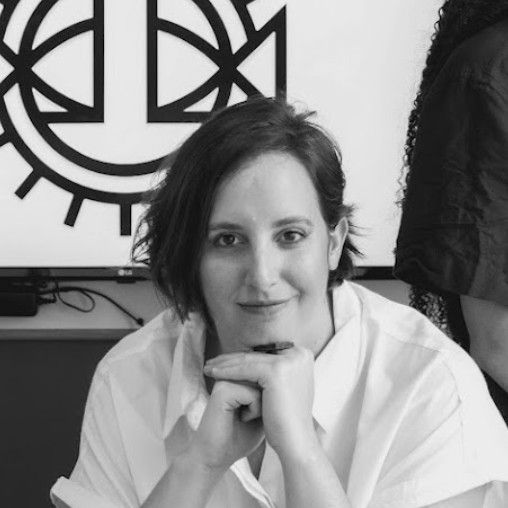
Jade Abbott, Lelapa AI
Frédéric Queudret, Acolad
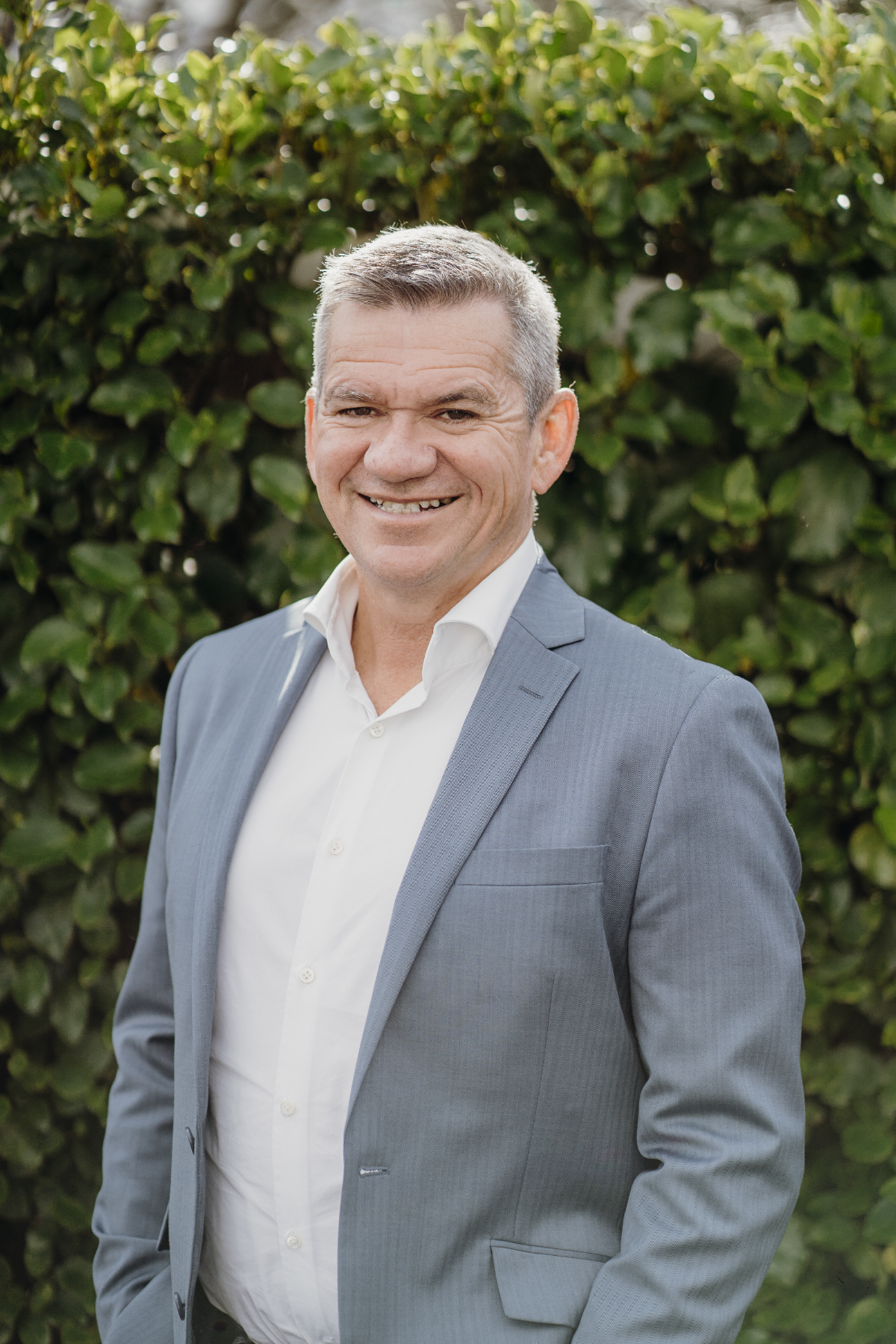
Grant Straker, Straker

Marina Pantcheva, RWS
Marco Trombetti, Translated

Moderated by: Dace Dzeguze, TAUS
Enjoy a lunch and check out the Expo.
Meetween is an EU-funded, 4 year, 7M€ consortium R&D project which brings video conferencing to the next level, with automated meeting secretaries and a virtual agent to represent absentees. This is made possible by developing foundation models for speech, which are large neural networks inspired by LLMs.
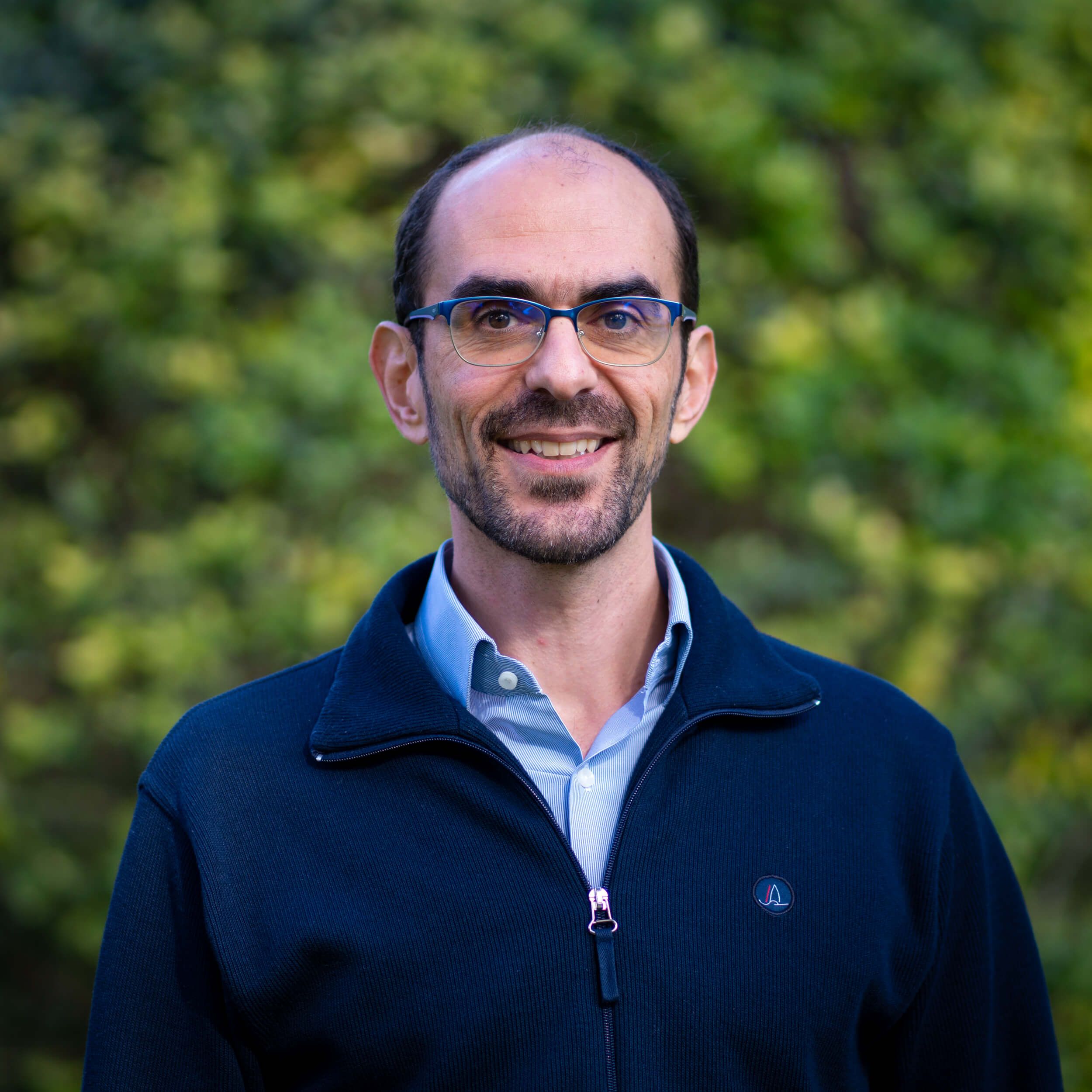
Sébastien Bratières, Translated
How do we trust and manage the quality of content in a hyper-automated world?
Who is out there to help manage risk and put in the checks and controls necessary for accuracy and reliability of massive multilingual content. A session dedicated to quality.
A panel consisting of experienced users (of Quality Estimation) and AI developers discuss the advancements in automatic review of content. We cover the whole palette of inspection and analysis, from automatically detecting the use of LLMs to sentiment analysis and automatic generation of MQM error types. Technically (and theoretically) there seems to be no limit to what AI can do to automate the quality function. But the daily practice in a global enterprise and in a translation company is still different. Regulations, policies and analyses require that we tread carefully.

Natalia Fedorova, Toloka
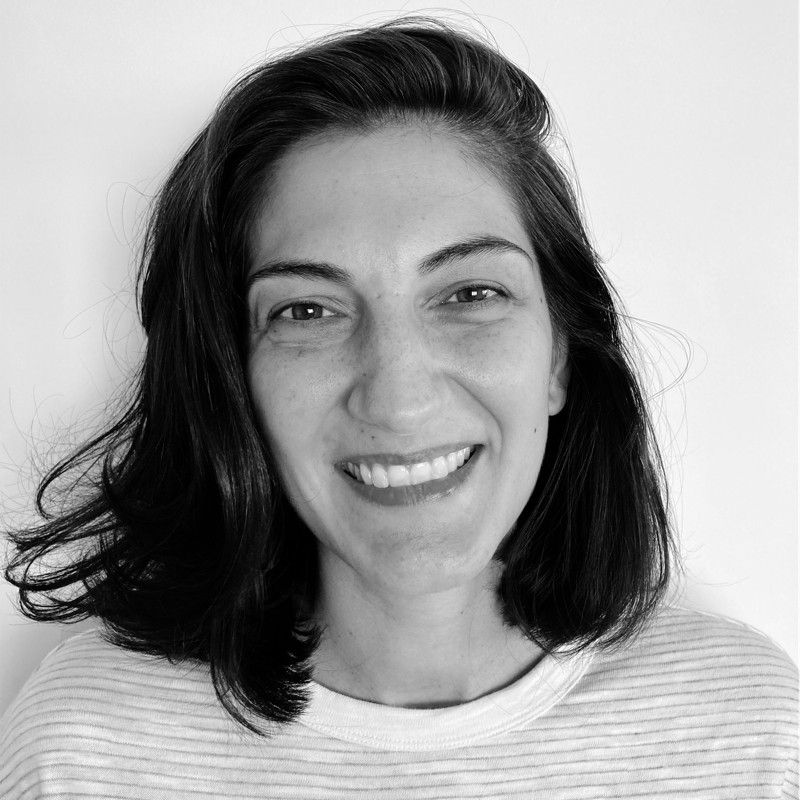
Anna Fellet, Uber
Marta Nieto Cayuela, Uber
Amir Kamran, TAUS
Pieter Buteneers, Structize AI
Moderated by: Konstantin Dranch, CustomMT
Coffee and tea
Any Questions? (based on the BBC current affairs program) is an opportunity to explore a range of topics within the conference theme, in an informal and personalized format which allows any attendee to ask questions, and the panel of experts to respond with their own take on the subject. So whether it’s around AI, or NMT, or process and workflow management, or resourcing and global supply chains, this session explores the matter with unscripted, personal responses.
Chaired by: Michael Stevens, Translated
Panelists are selected from the audience.
After the presentations from each contestant, the audience receives a link to vote for their favorite. At the end of the two days, the votes will be counted and the winner will be announced. The prize is a coveted TAUS Massively Multilingual Award.
Host: Konstantin Dranch, CustomMT
Host: Anne-Maj van der Meer, TAUS
End of day 2
Jade Abbott
CTO | Lelapa AI

Hameed Afssari
Head of Globalization | Uber
Julie V. Belião
Senior Director of Product Innovation | Mozilla.ai
Sébastien Bratières
Director of AI | Translated
Pieter Buteneers
CTO | Structize AI
Selvaggia Cerquetti
Language AI Research Manager | Centific
Giovanna Conte
Head of Global Quality Management | Centific
Kareem Darwish
Research Staff Member | aiXplain
Dace Dzeguze
COO | TAUS
Nicola Dorrington
Senior Manager Global Localization Strategy | GetYourGuide
Konstantin Dranch
Founder | CustomMT
Christian Federmann
Principal Research Manager | Microsoft
Natalia Fedorova
Partnership Manager | Toloka
Anna Fellet
Localization Quality & Experience Program Manager | Uber
Ádám Gaugecz
Product Manager | memoQ
Dr Lucie Gianola
Project manager for technologies, research and innovation | French Ministry of Culture
Ariana Habrova
Head of the Linguistic Quality Services Department | Janus Worldwide
Márton Jánosy
Business Solutions Architect | EDIMART
Amir Kamran
Solution Architect | TAUS
Oscar Martinez Diaz
CEO & Founder | Loc&Capture
Evgeny Matusov
Lead Science Architect, Machine Translation | AppTek
Gina Moape
Language Community Manager | Common Voice
Marta Nieto Cayela
Localization Experience Program Manager | Uber
Marina Pantcheva
Director Linguistic AI Services | RWS
Bruno Poliquen
Head, Advanced Technology Applications Center | WIPO
Frédéric Queudret
Chief AI & Technology Officer | Acolad Group
Wouter Seinen
Tech and Data Specialist Lawyer | Pinsent Masons
Ilia Shifrin
Global VP of AI Operations | Teleperformance
Grant Straker
CEO | Straker
Mikolaj Szajna
Localization Manager | Booking
John Tinsley
VP of AI Solutions | Translated
Marco Trombetti
CEO | Translated
Marco Turchi
Head of the Machine Translation Group | Zoom
Anne-Maj van der Meer
Head of Marketing | TAUS
Jaap van der Meer
Owner | TAUS
Rares Vasilescu
VP Product Development | RWS Group
Pre-conference Workshops
On 18 June, two pre-conference day workshops will be organized. Join us in the morning for a session hosted by Konstantin Dranch (CustomMT) about prompt engineering for localization, covering the best tips and techniques for 2024. And sign up for the afternoon session, hosted by TAUS, to learn more about quality estimation, what are the benefits and use cases, and the exciting features to be implemented in the near future.
A live hands-on workshop focused on GenAI for localization scenarios and mastering the latest techniques
Trainer: Konstantin Dranch (Custom.MT)
The localization profession is changing and the ability to apply GenAI in workflows is crucial for engineers, project leaders, and their managers. Start your TAUS conference with hands-on training to use the latest models such as GPT-4o and Anthropic Claude 3 to complete industry-specific challenges, and assist human work. Whether you're a buyer of localization, a program manager looking to understand the real capabilities of GenAI, or a specialist interested in honing your skills, this workshop will provide practice opportunities and engaged networking.
Who is it for:
Localization program managers
Localization engineers
Language services providers
AI strategists
The workshop aims at beginner and intermediate levels, and all participants, regardless of their prior technical knowledge will be able to build GenAI workflows.
You will learn:
Best practices: Prompt engineering, use of variables, breaking instructions into shorter prompts, optimizing for cost
Use cases: Localization, testing, quality assurance, editing, estimating quality
Scaling for large volumes: How to apply prompts across thousands of segments via spreadsheets and scripts
Multimodality: uses of text, vision, and speech models in localization
Retrieval (RAG): the ability to combine LLM output with facts from your database, such as glossaries and translation memories
Participants will work in teams to build prompts and solve challenges. The tasks are tailored specifically for localization managers and our moderators will help you improve the quality of your prompts and the accuracy of the output. While the workshop is focused on expanding your professional skills, it is also an excellent opportunity for exchanging ideas, building connections and genuinely having a great time.
A half-day workshop around the topic of machine translation quality estimation (MTQE). Featuring speakers from Microsoft, memoQ, Uber, CustomMT and TAUS. See the full program and speaker line-up under the Program tab.

The registration fee is € 250 per session (excluding 22% Italian VAT).
Venue
The TAUS Massively Multilingual AI Conference will be hosted at the Sheraton Rome Parco de’ Medici hotel.

Sheraton Rome Parco de' Medici
We've negotiated a special rate of € 190 (single occupancy) and € 209 (double occupancy), excl VAT and city tax. Book your room as soon as possible because space is limited. Please follow this link to do so.
Address: Via Salvatore Rebecchini, 39, 00148 Roma RM, Italy.
Networking Events
On top of the many networking opportunities in the coffee and lunch breaks, we're pleased to invite you also for two evening activities to chat with old friends and make new acquaintances. Participation in these networking events is included in the registration fee. However, please confirm your attendance via the RSVP form you'll receive from the TAUS team.

18 June: Opening Reception
Meet and great your fellow attendees during the opening reception on 18 June at the Clubhouse of the Parco de' Medici Golf Club in Rome.
Address: Via Salvatore Rebecchini, 39, 00148 Rome RM, Italy

19 June: Networking Dinner
We're excited to announce that Translated is hosting the TAUS Networking Dinner on the 19th of June in the EUR district in the headquarter of its campus. The dinner experience will be set in a bright villa, with pool view, surrounded by green, and designed to facilitate networking.
Address: Via Indonesia, 23, 00144 Roma RM, Italy
MASSIVELY MULTILINGUAL CONTEST 2024
A Fast-paced Innovators Competition

19 - 20 June, 2024
|
Rome, Italy

At the TAUS Massively Multilingual AI Conferences in Rome and Albuquerque in 2024, TAUS will host the Massively Multilingual Contest. An iconic competition at TAUS events that puts the spotlight on the innovators and disruptors for the global language industry. It started already in 2015 when MateCat and Unbabel won the first Innovator awards. Over the years, many companies have entered this exhilarating competition and many of the winners have been able to pull in significant investment money over the years that followed.
How do I enter?
We invite service and technology providers established in the localization and language industry, but also start-ups and “invaders” from the broader AI or technology industry. If you are working on an innovative solution to bring in AI into your workflows that helps you or customers get closer to becoming truly massively multilingual, we’d love to hear from you.
About the contest
From the submissions, around 10 presenters are selected to pitch their AI solution at the TAUS Conference. Each presenter will have exactly six minutes on the stage. They will have access to a presentation computer for slides, a video or a live demo. After six minutes, the lights go out and it’s time for the next presenter. There will be no Q&A.
The presentations will be divided over the two day conference. After the final presentation, the audience will receive a link to vote for the best presentation. The presenter with the most votes will receive the unique TAUS Massively Multilingual Reward.
Bringing the language technology world and AI together
Despite its revolutionary spirit, the AI industry keeps operating under the paradigm of English rules the world. More than 90% of the data that is used to train the Large Language Models is English language data. Translation by nature has always been one-directional, mostly from English into other languages. AI technology now allows us to become simultaneously and massively multilingual, skipping translation all together and generating content directly in all languages. To deliver on that promise, we need to bring the language and AI industries together. The global language industry is sitting on a wealth of data and knowledge that is crucial to solving core AI problems and delivering solutions in a wider economic context of world- and future readiness.
Bringing the language world and AI together
Despite its revolutionary spirit, the AI industry keeps operating under the paradigm of English rules the world. More than 90% of the data that is used to train the Large Language Models is English language data. Translation by nature has always been one directional, mostly from English into other languages. AI technology now allows us to become simultaneously and massively multilingual. To deliver on that promise, we need to bring the language and AI industries together. The global language industry is sitting on a wealth of data and knowledge that is crucial to solving core AI problems and delivering solutions in a wider economic context of world and future readiness.

Who is coming
TAUS brings together individuals from the top echelon of the AI and global content and language industries, including executives who make transformative decisions and manage globalization teams. The conference offers excellent opportunities to build new connections and influence decisions concerning the AI and localization industry ecosystem. The TAUS Massively Multilingual AI Conference is expecting an exclusive audience of around 150 to 200 people, representing the following constituencies:

Buyers and owners of global content (40%)
Executives from AI labs and start-up platforms (15%)
Global content and language service providers (15%)
Technology and solution providers (15%)
Translators and linguists (5%)
Government bodies and NGOs (5%)
Consultants, academia, analysts, press (5%)
What can you expect
Attendees of this conference can expect ample discourse on the arrival of the long-expected AI revolution. Leaders from AI Labs will debate their visions of the future and the technology revolution behind it. Globalization directors and technology executives from the enterprise world will share their views on opportunities and challenges. The heads of the language service and technology companies will bring their perspectives.

Familiar TAUS format
The event will have the intimate setting that TAUS is known for with a cabaret-style format and a single conference track. The program will alternate between thought-leading keynotes, shorter presentations and discussions, innovators pitches and ample time for Q&A and discussions.
At the end of the two days conference attendees will have made acquaintances with everyone in attendance during the interactive sessions, the welcome reception and the networking dinner.


What can you expect
Attendees of this conference and expo can expect ample discourse on the arrival of the long-expected AI revolution. Leaders from AI Labs will debate their visions of the future and the technology revolution behind it. Globalization directors and technology executives from the enterprise world will share their views on opportunities and challenges. The heads of the language service and technology companies will bring their perspectives. What is on the agenda for everyone is the epiphany, that massive multilingual and simultaneous content creation is becoming the new paradigm.

Familiar TAUS format
The event will have the intimate setting that TAUS is known for with a cabaret-style format and a single conference track. The program will alternate between thought-leading keynotes, shorter presentations and discussions, innovators pitches and ample time for Q&A and discussions.
At the end of the two days conference attendees will have made acquaintances with everyone in attendance during the interactive sessions, the welcome reception and the networking dinner.

Call for proposals
Consumers and creators of language models are invited to submit proposals for short presentations and panel discussions in the following categories: use cases, best practices, research and collaborative actions.


Multilingual customer support
Multilingual content creation and management
Quality evaluation and estimation
Multilingual SEO support
Localization assistants and machine translation
Summarization and web search
Cross-lingual information retrieval
Interactive language learning
Virtual assistants and chatbots