

EPIC
OVERVIEW
What is EPIC?
The platform in a nutshell
Choosing a QE Model
Match model to content & risk
EPIC FEATURES
Quality Estimation
Score translations automatically
Automated Post-Editing
Clean up MT output at scale
Retrieval-Augmented Generation
Feed context with glossaries
Specialized Models
Language specific models
USE EPIC
Integrations
Connect with your TMS & Tools
API Docs
Technical docs & API references
EPIC APP
Interactive playground & sandbox
Resources
Blogs
Perspectives from our team
Reports
In-depth industry research
Webinars
Live and on-demand sessions
Case Studies
Real results from real teams


TAUS Massively Multilingual AI Conference Albuquerque
Bringing the language technology world and AI together
AI allows us to create virtual companions that can speak our language, any language, as well as humans. This is a technology breakthrough that shakes up the world. It can make businesses and governments a hundred times more efficient and it creates thousands of opportunities for innovation. If only we start thinking and operating truly and massively multilingual.

02 - 04 October 2024

Albuquerque, NM (USA)


Sponsored by

Program
Speakers
Attendees
Exhibitors
Networking
Venue
More Information
Note: this is not the final program. Times, speakers and topics may change. Updates will be published on this web page.
Day 1
Wednesday, October 2
Day 2
Thursday, October 3
Day 3
Friday, October 4
GenAI in Localization Workshop
Practical applications, writing real prompts, including data preparation, evaluation methods, and benchmarking results.

Marina Pantcheva, RWS Group
An overview of the technical setup, financial, and performance considerations for various NLP tasks. When are LLMs suitable?
Alex Yanishevsky, Smartling
A novel approach to model fine-tuning.

Lahorka Nikolovski, TAUS
What the industry has achieved over two years with ChatGPT.
Proven use cases
TMS GenAI maturity matrix
A vision for 2025
Konstantin Dranch, Custom.MT

Coffee and tea
Build your own Generative AI pipeline for multilingual content
Quality management
Automated post-editing
Style guide and terminology compliance
Automated testing
Participants will work in teams to build prompts and solve challenges. The tasks are tailored specifically for localization managers and our moderators will help you improve the quality of your prompts and the accuracy of the output.
While the workshop is focused on expanding your professional skills, it is also an excellent opportunity for exchanging ideas, building connections and genuinely having a great time.
Konstantin Dranch, Custom.MT
Hotel Albuquerque at Old Town
Quality Estimation Workshop

Jaap van der Meer, TAUS
Kicking off the workshop, we’ll dive into the mechanics of quality estimation (QE). What is quality estimation exactly and what function does it have in your workflow? What are the best use cases and benefits of QE? We’ll also take a look at the available models and scoring metrics. And discuss the reliability and limitations of QE models.

Amir Kamran, TAUS
Exploring the practical applications of QE and its impact on transforming translation workflows. We'll examine various use cases where QE enhances traditional translation processes. Additionally, we'll consider how Automated Post Editing (APE) can be integrated with QE to further optimize translation quality and efficiency.
Amir Kamran, TAUS
Grant Straker, Straker Translations
Coffee and tea

Andrew Miller, BLEND
Time for some action. We start with a real-time demonstration of quality estimation with an MT workflow, using the TAUS Estimate API. During this demonstration we will go through several example scenarios to illustrate how you can utilize QE to improve your translation quality. We'll discuss how to set up your workflow, analyze and interpret the quality scores generated by the model, and test prompts for APE to further refine the process.
Amir Kamran, TAUS
So where do LLMs fit in when it comes to quality estimation? In this session we’ll discuss the current and potential applications of LLMs in enhancing QE models, including the benefits and limitations. We’ll compare “traditional” QE models with LLM-enhanced models and look at any future improvements of QE models based on LLMs.
Amir Kamran, TAUS
In the final session of the workshop we’ll provide practical guidance on how to get started with implementing QE into your workflow. Questions will be answered on:
How to integrate QE into your existing workflows
How to customize QE models to your specific needs
What kind of data is required to train QE models
How to ensure reliability of the QE models
Amir Kamran, TAUS
Zachary Haynes, TAUS
Engage in open discussion, ask questions and exchange insights with presenters and fellow participants to further explore the nuances of QE and APE.
Hotel Albuquerque at Old Town
Massively Multilingual AI Conference
Welcome, introductions and agenda overview
Jaap van der Meer, TAUS
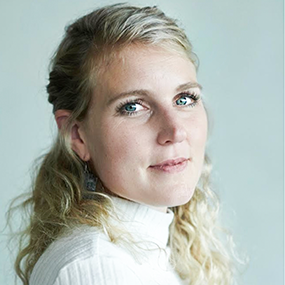
Anne-Maj van der Meer, TAUS
Keynote presentation by Anthony Scriffignano (The Stimson Center)
Computational linguistics has evolved in amazing and impressive ways. With the advent of Generative AI, the world has been exposed like never before to what can be done by making large corpora of language accessible to increasingly powerful compute environments. Nevertheless, there is no real "intelligence" in AI, and language evolves in ways that are only partially understood, especially in a multilingual context. In this session, Dr. Anthony Scriffignano will discuss the evolution of the datasphere (information available to computers) and specific confounding characteristics of language that make it challenging for AI. This session will also focus on common myths and inconvenient truths that make multilingual semantics an ongoing challenge in the real world with examples from business and real-world anecdotes.
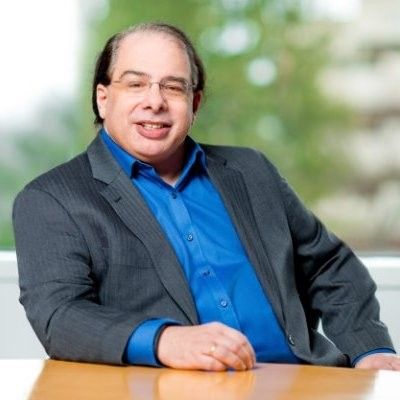
Anthony Scriffignano, The Stimson Center
Fireside chat: Jonathan Cohen (VP of Applied Research at NVIDIA) and Jaap van der Meer
NVIDIA is one of the most important companies driving the revolution in the computer industry, as generative AI techniques like Large Language Models enable modern AI systems to perform tasks previously considered something only humans could tackle. In his role as VP of Applied Research at NVIDIA, Jonathan Cohen oversees the development of the NeMo platform for developing, deploying, and improving Large Language Models and other conversational AI systems. This fireside chat will focus on the key question of this conference: in what ways do the AI and Language industries need each other? AI systems are powered by compute, data, and algorithms. But in practice, to create and deploy them into real production settings requires overcoming significant complexities beyond just these 3 ingredients.
In this fireside chat with Jonathan Cohen, we will discuss what are the real challenges facing the AI industry, and how can the skills and data brought by the translation and language industry help solve these problems. As AI systems are able to perform more automation and demonstrate “intelligence” that was previously reserved for humans, what are the new opportunities available to service providers and individual experts in the language industry? Conversely, how can modern AI systems be used effectively by the language industry to solve some of their most challenging problems? In what ways are these two industries complementary, and how should we think about their convergence?
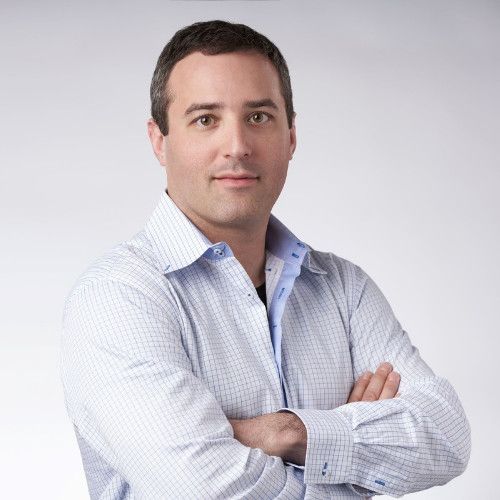
Jonathan Cohen, NVIDIA
Jaap van der Meer, TAUS
The AI ‘guru’ perspective, hosted by Zachary Haynes (TAUS)
The idea for this session is to give the audience insights into the thinking and perspectives on AI from the Big Tech research teams that are responsible for the largest and most influential models, and that have already integrated AI into their businesses despite the risks and disruption to their existing business models that AI may pose.
Focus of the discussions:
Large versus small language models
Data needs
Social impacts
Use cases
Industry trends and predictions
Speakers:
Anthony Scriffignano, The Stimson Center
Jonathan Cohen, NVIDIA

Hadar Shemtov, Google
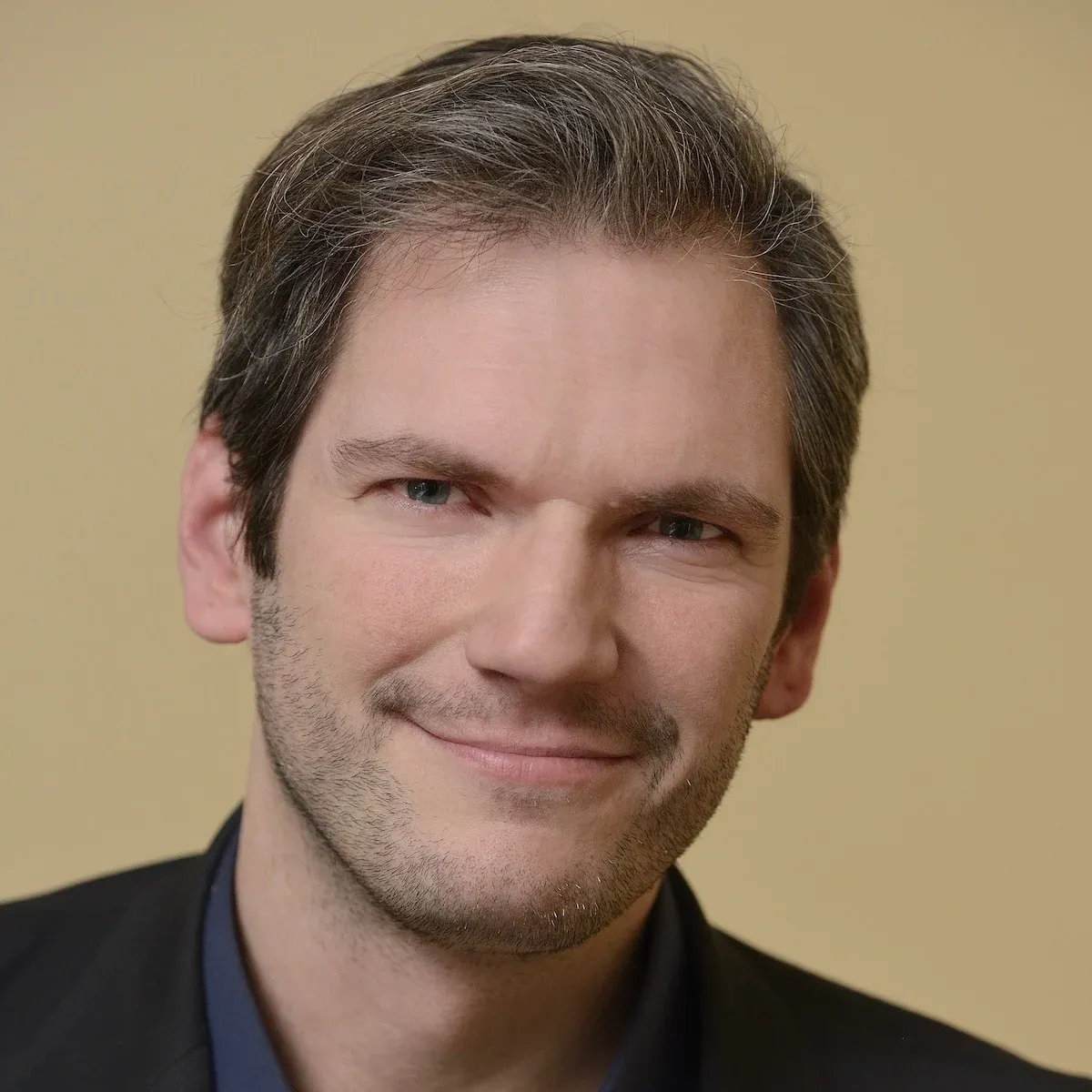
Philipp Koehn, Johns Hopkins University
Hosted by Zachary Haynes, TAUS
Coffee and tea
Fireside chat: Jarek Kutylowski, CEO of DeepL and Jaap van der Meer
DeepL has stayed pretty much under the radar of the localization industry ever since the company was founded in 2017. Increasingly the name came up in online forums and at industry conferences. DeepL has made it to the top-ranking MT engines in quality benchmarking reports. But the people and the faces behind this success remained hidden. Until now. At the TAUS conference in Albuquerque Jarek Kutylowski, founder and CEO of DeepL, will share the story of DeepL from the origins of Linguee to the recent 2 billion valuation of the company. And what does that mean for the future of DeepL (and for the world)?
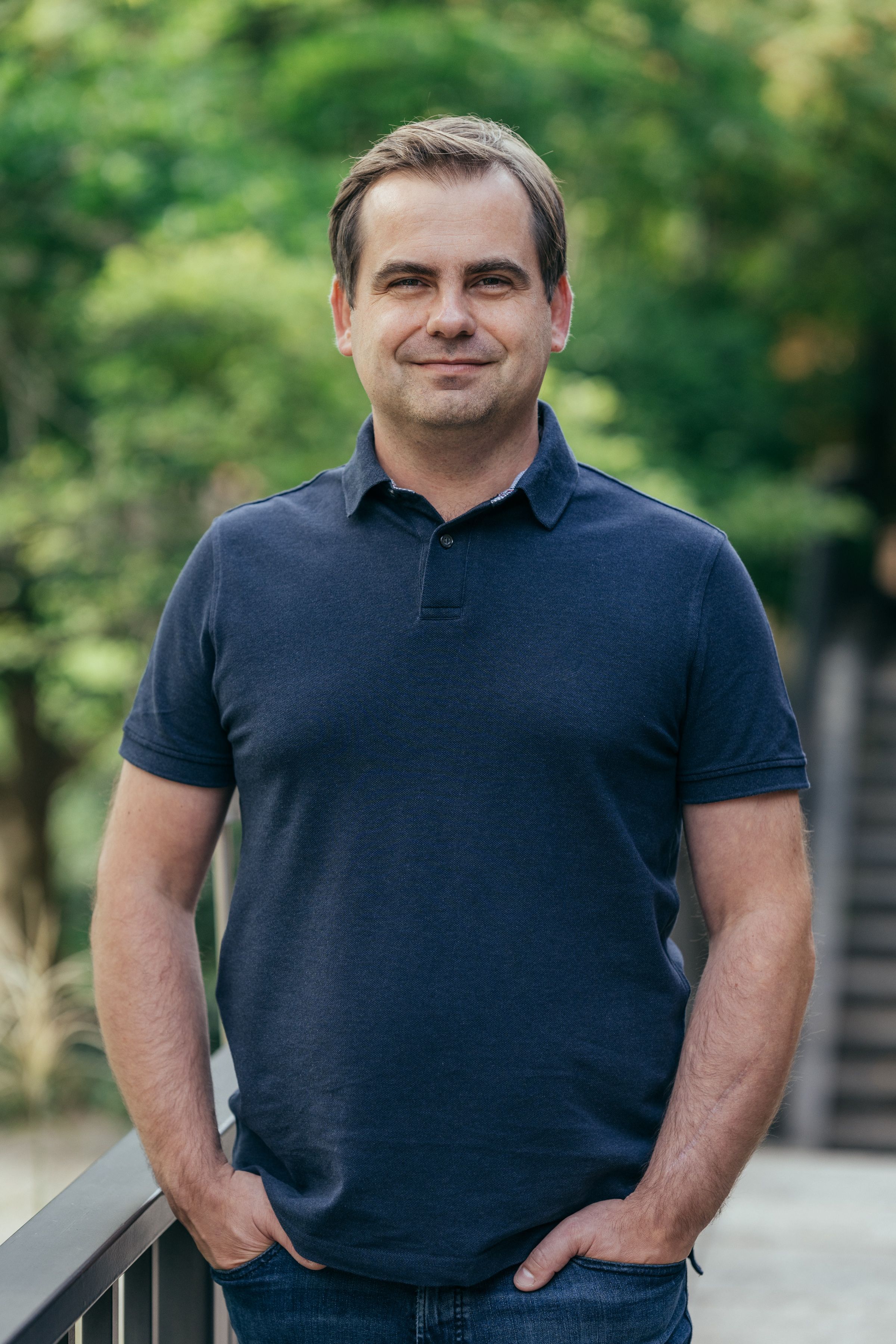
Jarek Kutylowski, DeepL
Jaap van der Meer, TAUS
The MT guru perspective, hosted by John Tinsley (Translated)
Leaders from the world of MT are the earliest developers of AI. In this session they discuss the transformation in their programs as a result of the remarkable success of Large Language Models.
Focus of the discussions:
The shifts in the world of MT
Quality and customization
The perils of ‘human parity’
MT and the changing translation technology stack
Speakers:
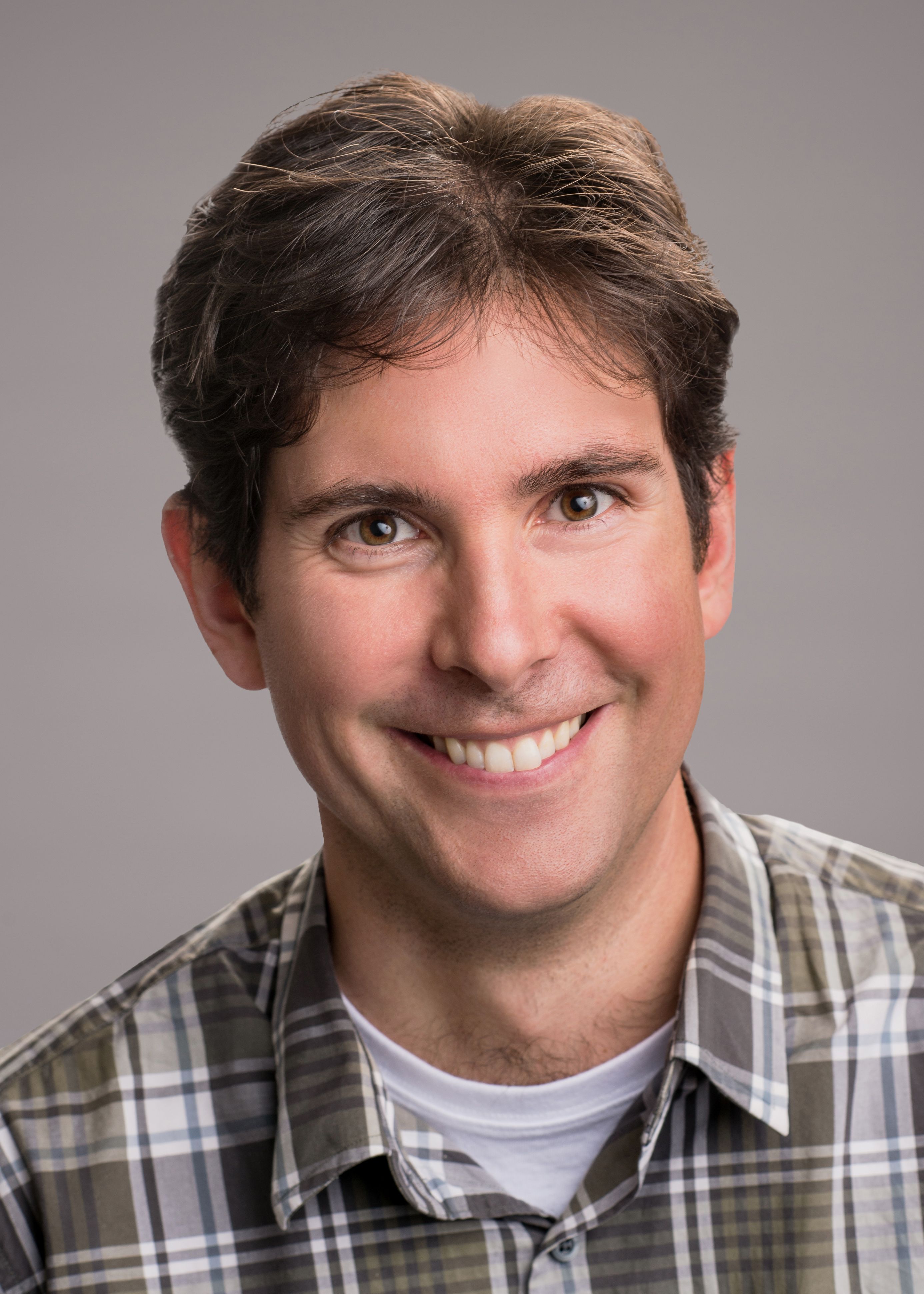
John DeNero, Lilt
Orhan Firat, Google
Philipp Koehn, Johns Hopkins University
Jarek Kutylowski, DeepL
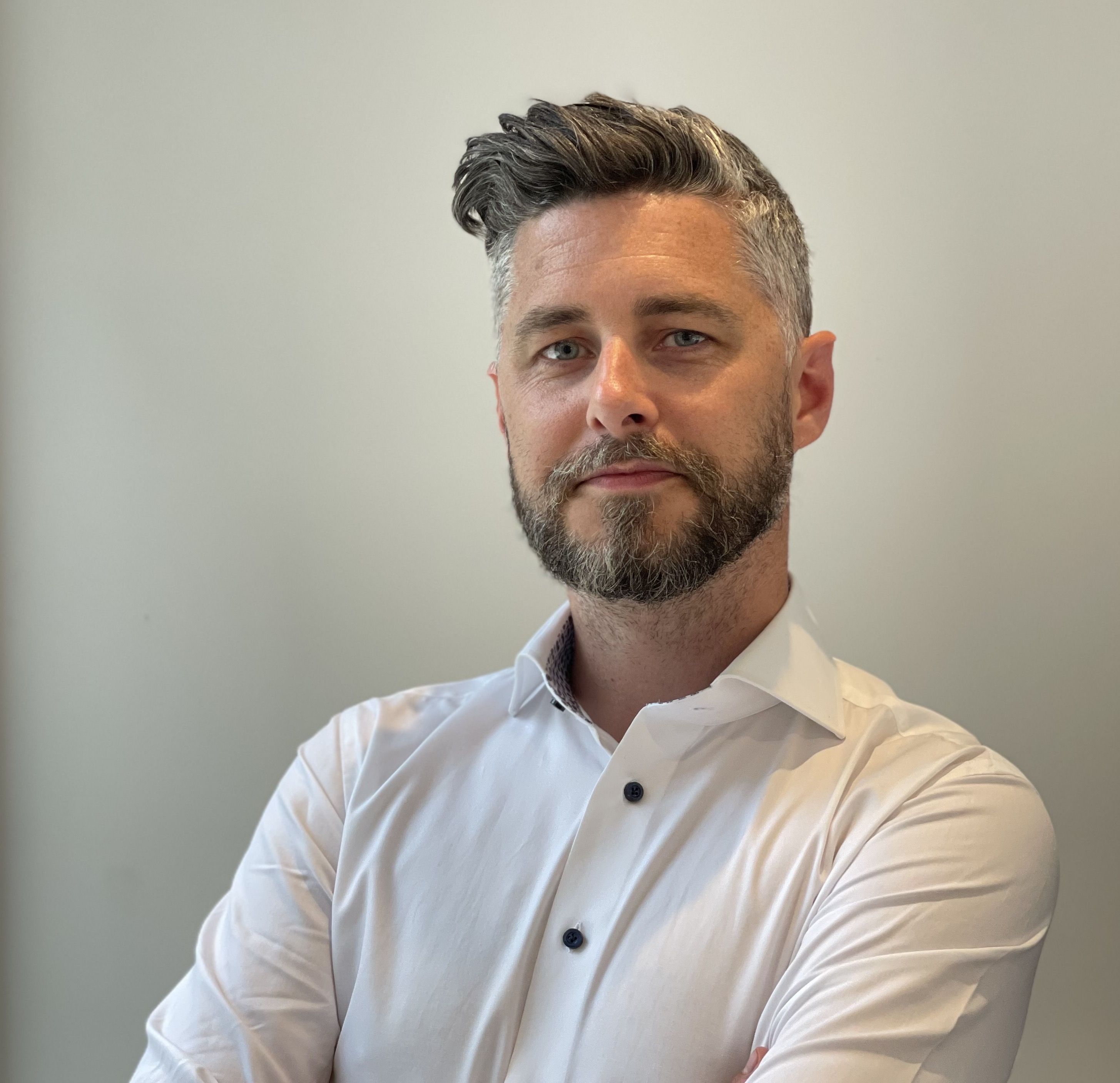
Hosted by John Tinsley, Translated
Enjoy a lunch and check out the Expo.
Blue-sky thinking session, hosted by Marina Pantcheva (RWS)
In the current public discourse on AI, the discussions center on the human-in-the-loop concept, emphasizing the relevance, importance, and irreplaceability of humans. AI is portrayed as a tool to enhance productivity and decision-making. A lot of effort is put into stressing that AI won’t replace humans nor restrict their autonomy.
In this panel, we’d like to reverse the narrative and explore the value that AI brings, moving beyond the hype and fear. We’d want to talk about the transformative power of AI and discuss examples of AI adoption that:
Increase human autonomy
Create new opportunities
Bring qualitative differences (enabling previously impossible tasks) rather than just quantitative improvements (performing existing tasks faster or cheaper)
Speakers:
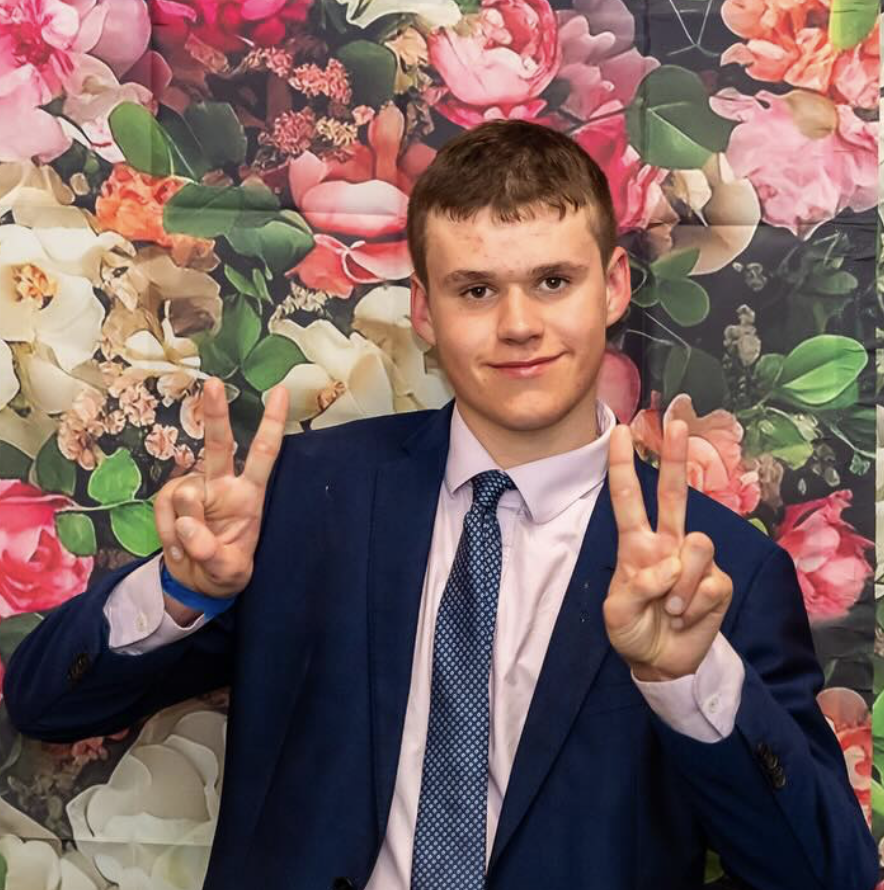
Oscar Straker

Scott Schwalbach, Amazon
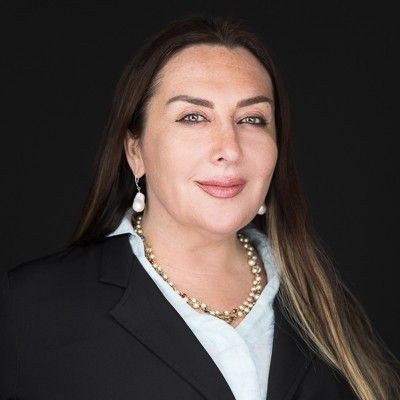
Olga Beregovaya, Smartling
Hosted by Marina Pantcheva, RWS
Coffee and tea
Fast-pace innovators competition: LSPs and start-ups
Nine LSPs and start-ups are selected to pitch their AI solution in six minutes. The audience will choose the winner of the TAUS Massively Multilingual Contest.

Host: Veronica Hylak, Metalinguist (Winner 2023)
Host: Anne-Maj van der Meer, TAUS
Alex Yanishevsky, Smartling
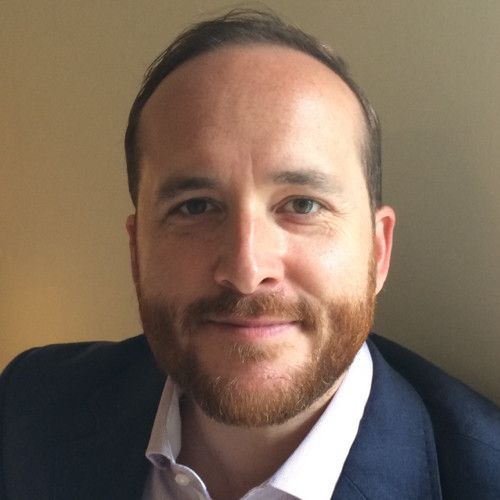
Matt Hardy, RWS
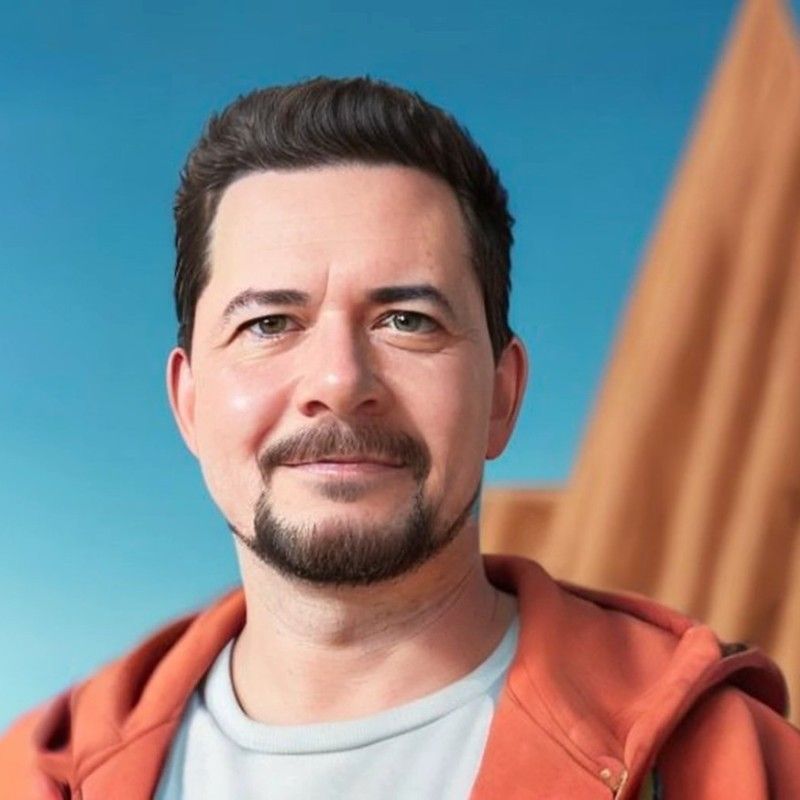
Konstantin Savenkov, Intento
The corporate ‘globalization’ perspective, hosted by Teresa Marshall (Salesforce)
Globalization leaders and CTOs have no other choice than embracing AI. How do they go about it and what is it going to bring them in return? Should translation buyers own their workflows and get their AI independent of the TMS and LSP?
Focus of the discussions:
The AI enterprise journey
New applications, roadmap, successes and failures
Changing landscape
ROI and business dynamics
Speakers:
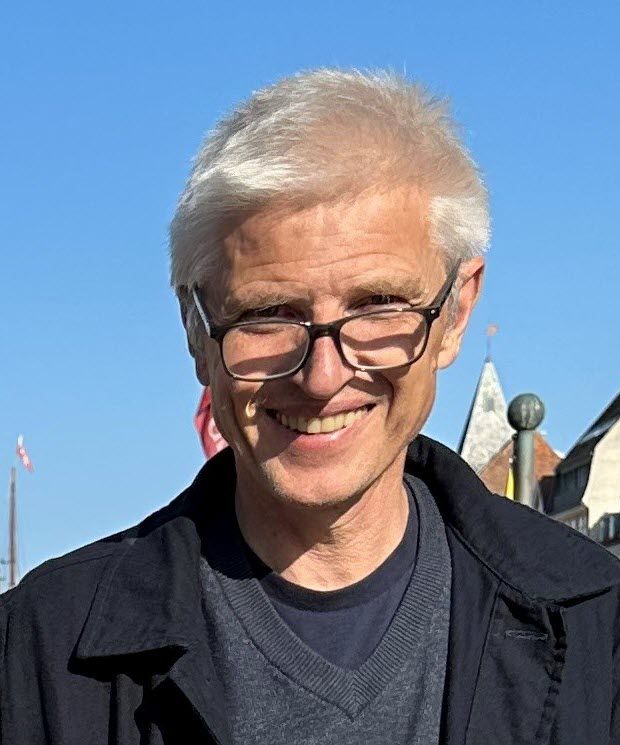
Georg Kirchner, Dell

Adam Youngfield, The Church of Jesus Christ of Latter-day Saints

Jose Palomares, Coupa
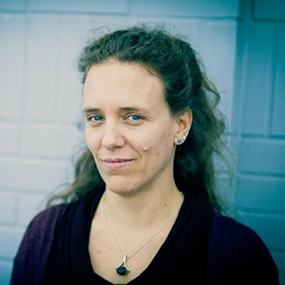
Hosted by Teresa Marshall, Salesforce
End of day 1
RSVP required. Shuttles will be leaving from 17:30.
Massively Multilingual AI Conference
Welcome, introductions and agenda overview
Jaap van der Meer, TAUS
Anne-Maj van der Meer, TAUS
It started with a dream, by Kalika Bali, Microsoft
Kalika Bali started her career with Lernout & Hauspie, the Belgian speech technology company that kicked off the first wave of consolidation in the localization industry in the 1990s. Who remembers these days? Lernout & Hauspie dazzled the world with magic speech devices. Too much too early perhaps, but Kalika carried the dream forward in her research work with Microsoft. In this opening address she will take us through the journey, her journey, from the discovery work in Flanders Language Valley to the launch of the multilingual speech technologies that the pioneers in Flanders Language Valley dreamed of.
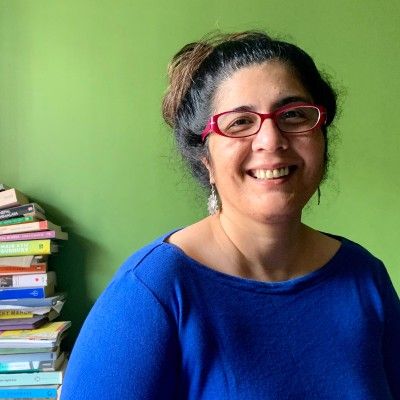
Kalika Bali, Microsoft
The Language Agnostic Perspective (Panel), hosted by Jochen Hummel (ESTeam)
The convergence of AI and localization allows every company and organization to become truly multilingual, not only in broadcasting content but also in bidirectional communication. This panel, hosted by LangOps pioneer Jochen Hummel, will discuss the technical and organizational strategy necessary to realize the full value of AI and NLP and to make the vision of understanding all customers come true.
Focus of the discussions:
Removing English bias
The Yin and Yang of curated knowledge and LLMs
Verify and validate through quality estimation
Business applications, specifically for localization, customer support, multilingual content creation
Convergence between AI and the language industry
Speakers:
Hadar Shemtov, Google
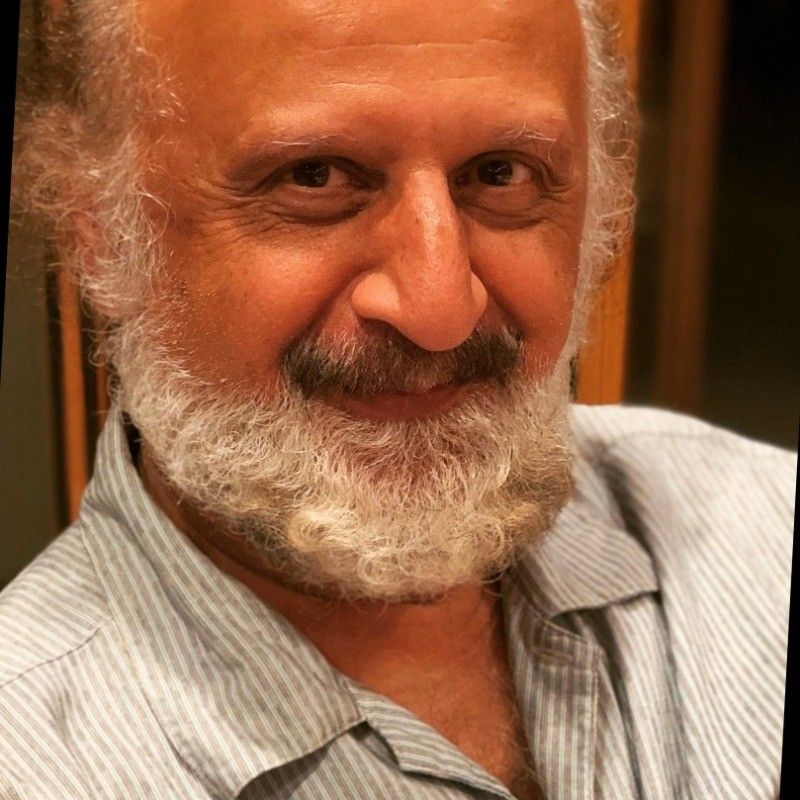
Kirti Vashee, Translated
Kalika Bali, Microsoft

Hosted by Jochen Hummel, ESTeam
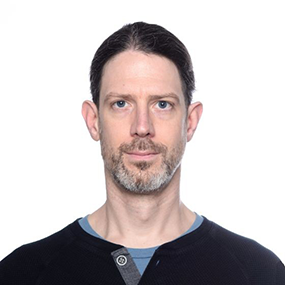
Christian Federmann, Microsoft
Coffee and tea
Fast-pace innovators competition: LSPs and start-ups

Richard Sikes, memoQ

Andrew Miller, Blend
Grant Straker, Straker
The language service and technology perspective
This is one of those moments in history when a whole ecosystem quickly becomes outdated and needs to adapt and change radically in order to survive. Language was until recently the exclusive domain of human intelligence. Now, with the emergence of AI and the superpower of LLMs, the professional practice of translators and writers is constantly challenged by machine intelligence. In this session we talk with company owners and executives from the multibillion dollar language industry about how they steer their companies through this industry revolution.
Focus of the discussions:
Business challenges of scaling down on human resources
Investments in AI and setting priorities
Finding the sweet spot to attract and keep customers
The balance of being defensive or proactive
The CEO conversation, hosted by Jaap van der Meer (TAUS)
Speakers:
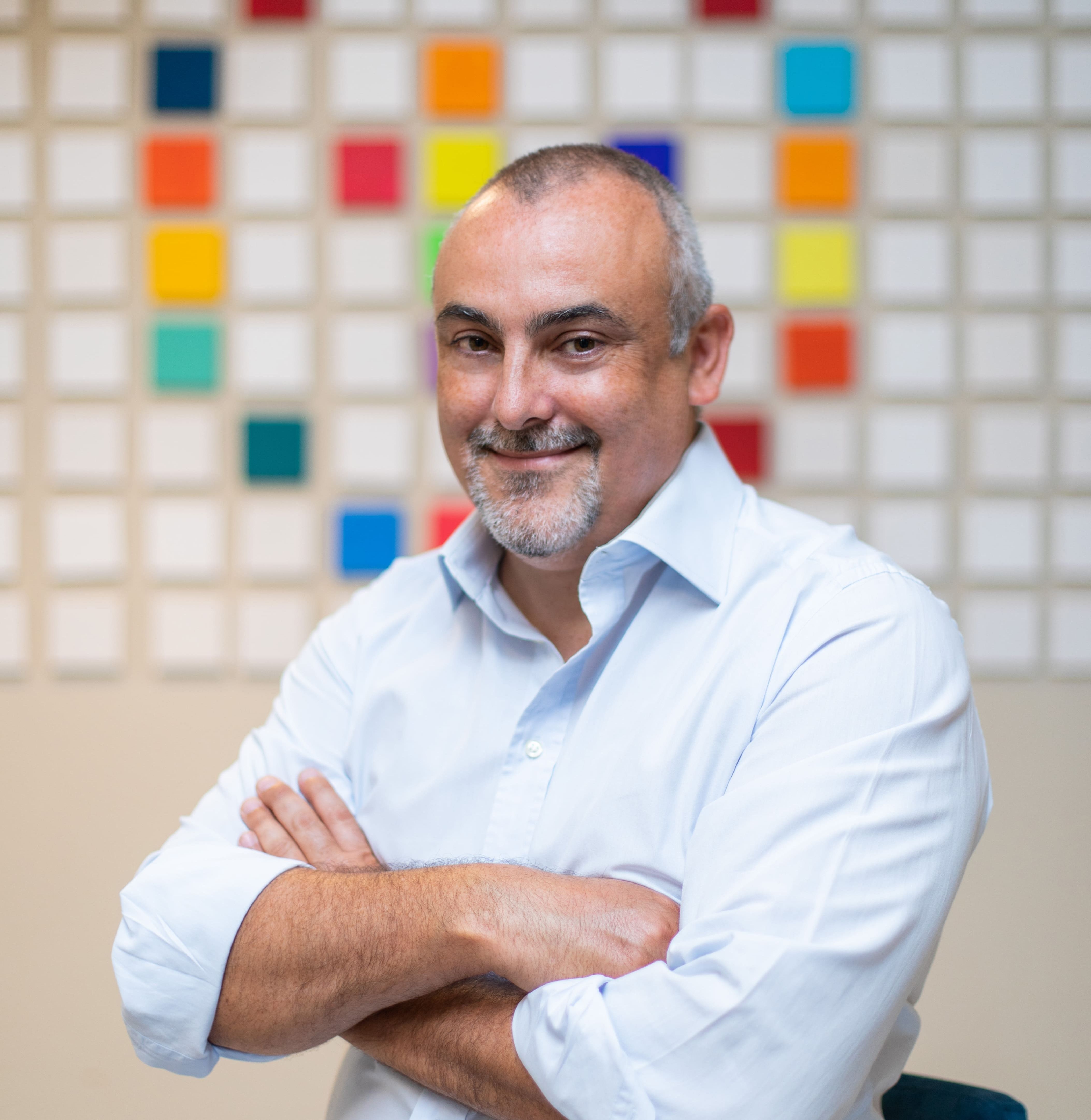
Marco Trombetti, Translated
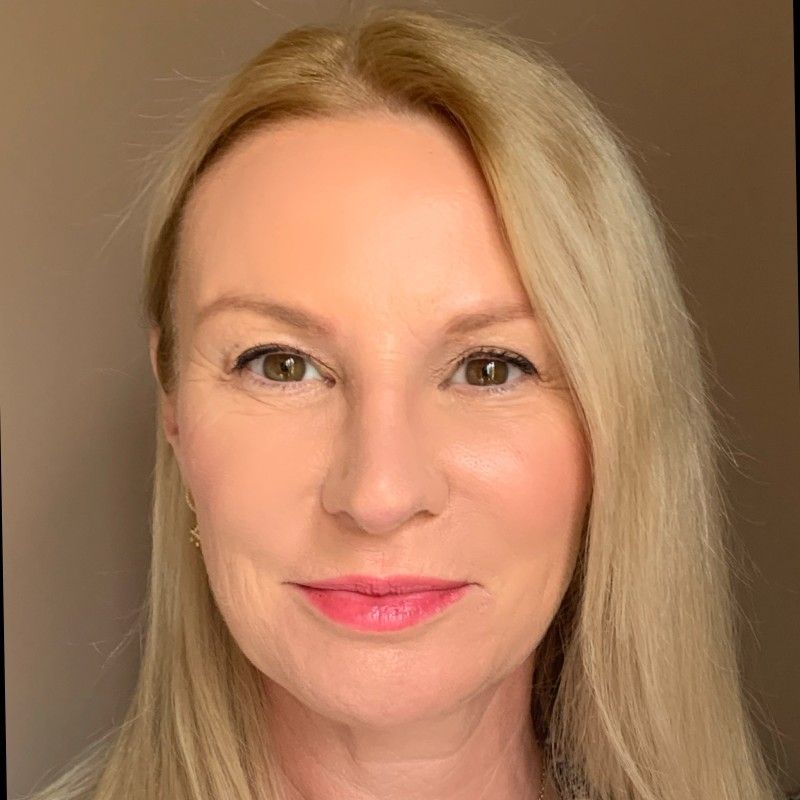
Véronique Özkaya, Summa Linguae
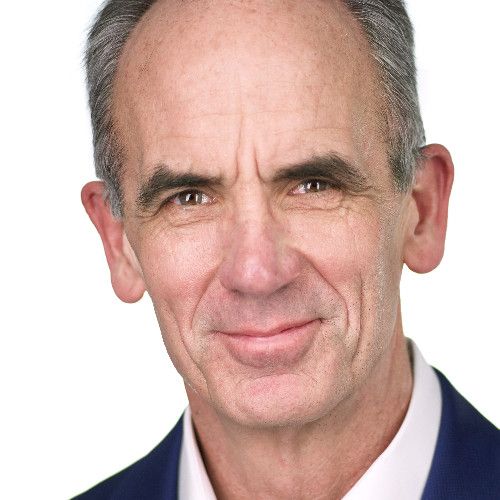
John Fennelly, Lionbridge
Hosted by: Jaap van der Meer, TAUS
Memories and anecdotes from two decades of Translation Automation
Twenty years of TAUS coincides with the history of the final episode in the millenia long battle to break the language barrier and to communicate with every human on the planet in their native language. It’s the story of breakthroughs in technology, of data sharing, of changing expectations and policies. It’s the story of industry leaders coming together, agreeing to collaborate and sketching the future of the translation industry.
In this session, for once, we look back over twenty years of TAUS and share the stories and anecdotes from the industry gatherings around the world.
Kirti Vashee, Translated
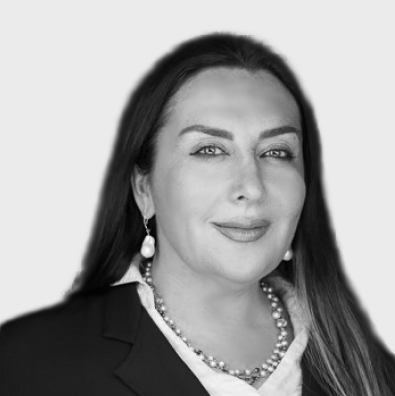
Olga Beregovaya, Smartling
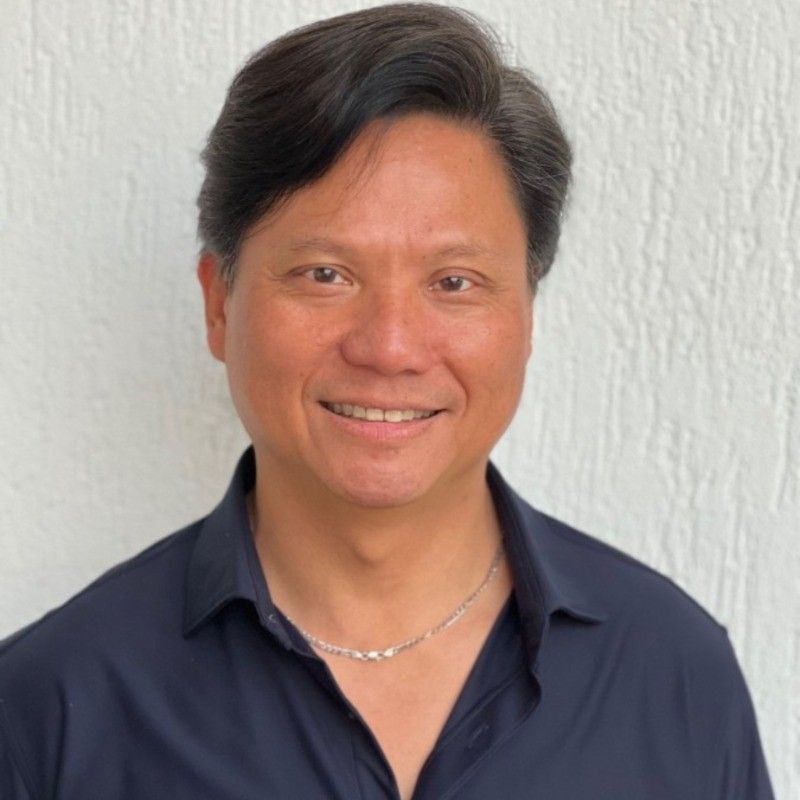
Yan Yu, Spartan Software
Host: Anne-Maj van der Meer, TAUS
Enjoy a lunch and check out the Expo.
John DeNero, Lilt
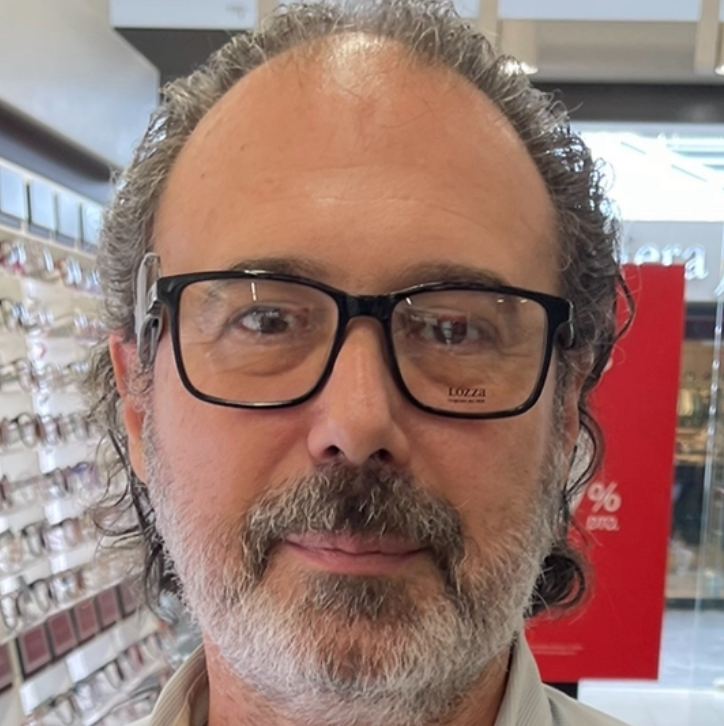
Manuel Herranz, Pangeanic

TBC
The language service and technology perspective
The CTO Conversation, hosted by Wayne Bourland (Dell) and Jaap van der Meer (TAUS)
Speakers:

Jon Lavine, Lionbridge
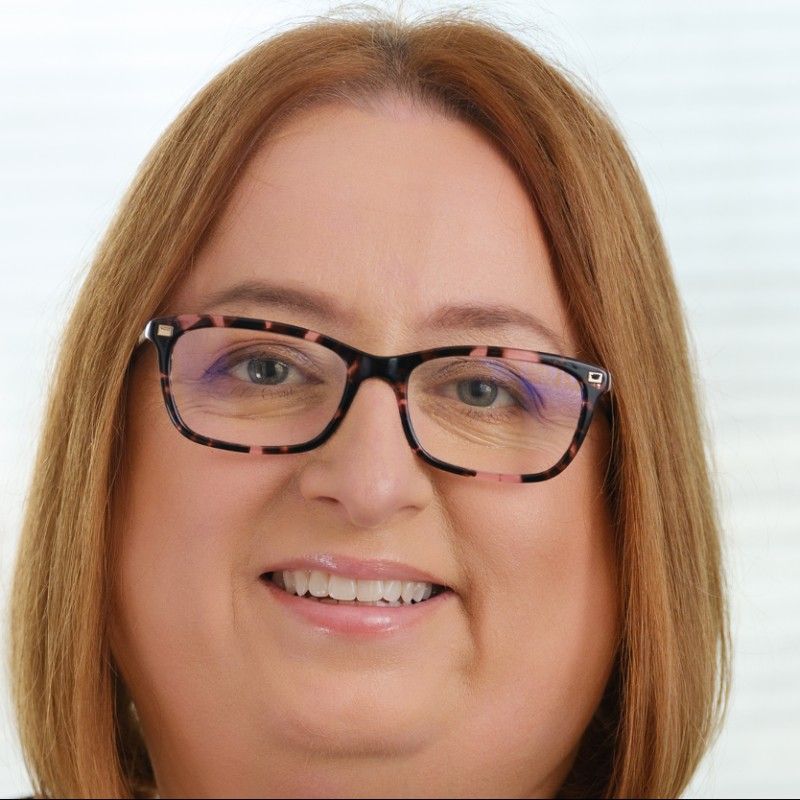
Gráinne Maycock, Acolad

Chris Grebisz, Welocalize
Matthew Hardy, RWS Group

Hosted by: Wayne Bourland, Dell
Hosted by: Jaap van der Meer, TAUS
Coffee and tea
The quality ‘gate-keeper’ perspective, hosted by Dace Dzeguze (TAUS)
How do we trust and manage the quality of multilingual content in a hyper-automated world?
Focus of the discussions:
Automatic post-editing
Quality estimation
Human in the loop
LLM evaluation
Speakers:

Konstantin Savenkov, Intento
Amir Kamran, TAUS
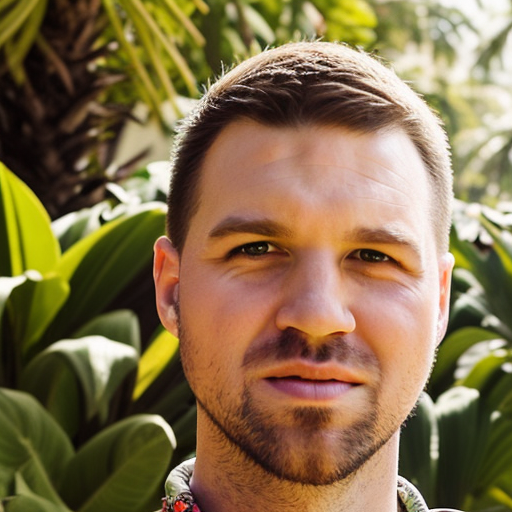
Adam Bittlingmayer, Modelfront
Alex Yanishevsky, Smartling
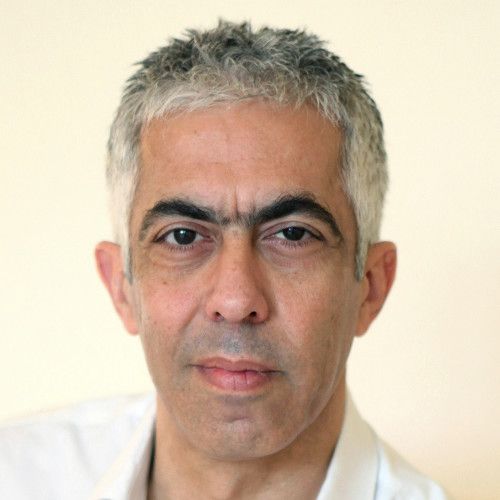
Ilan Kernerman, Lexicala
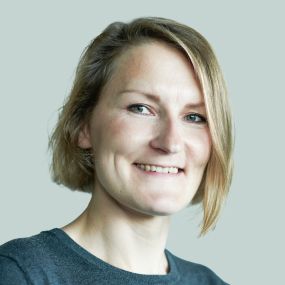
Hosted by Dace Dzeguze, TAUS
We get the picture: the global translation industry is transforming: convergence with AI brings great opportunities for innovation. On the other hand, lagging behind can bring the risk of extinction. All good and well, but what does this mean for our day-to-business? What can we take away from this TAUS conference and recommend to the attendees as work-to-do before we meet again next year?
Mark Seligman will wrap up the two days conference and poke the experts in his panel to give hands-on advice. The panel consists of market watchers, researchers and consultants.
Speakers:

Arle Lommel, CSA Research
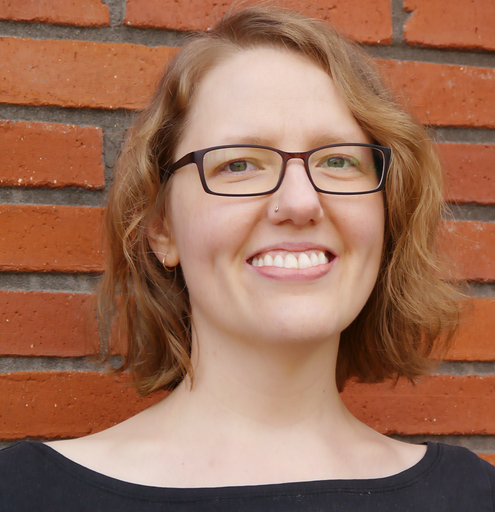
Ann Huehls, AH Consulting

Diane McAveeney, Group Q

Hosted by: Mark Seligman, Spoken Translation
After the presentations from each contestant, the audience receives a link to vote for their favorite. At the end of the two days, the votes will be counted and the winner will be announced. The prize is a coveted TAUS Massively Multilingual Award.
Host: Veronica Hylák, Metalinguist
Host: Anne-Maj van der Meer, TAUS
End of day 2
Kalika Bali
Principal Researcher | Microsoft

Olga Beregovaya
Vice President of AI | Smartling
Adam Bittlingmayer
CEO | Modelfront
Wayne Bourland
Director of Translation | Dell
Jonathan Cohen
VP of Applied Research | NVIDIA
John DeNero
Co-Founder & Chief Scientist | LILT
Dace Dzeguze
COO | TAUS
John Fennelly
CEO | Lionbridge
Orhan Firat
Principal Scientist | Google
Chris Grebisz
CIO | Welocalize
Matthew Hardy
SVP Linguistic AI | RWS Group
Zachary Haynes
Business Development Consultant | TAUS
Manuel Herranz
CEO | Pangeanic
Ann Huehls
Language Technology Expert | AH Consulting
Veronica Hylák
CEO | Metalinguist
Jochen Hummel
CEO | ESTeam
Amir Kamran
Solution Architect | TAUS
Ilan Kernerman
CEO | Lexicala by K Dictionaries
Georg Kirchner
Globalization Technology Manager | Dell Technologies
Philipp Koehn
Professor | Johns Hopkins University
Jarek Kutylowski
CEO & Founder | DeepL
Jon Lavine
Senior Director of Product Management and Strategy | Lionbridge
Arle Lommel
Senior Analyst | CSA Research
Teresa Marshall
Vice President, Globalization & Localization | Salesforce
Grainne Maycock
Chief Revenue Officer | Acolad
Andrew Miller
Director of Solutions and Strategy | BLEND
Véronique Özkaya
Co-Chief Executive Officer | Summa Linguae Technologies
Jose Palomares
Director, Localization | Coupa Software
Marina Pantcheva
Director Linguistic AI Services | RWS Group
Konstantin Savenkov
CEO | Intento
Scott Schwalbach
Global Strategy & QA Group Manager | AWS
Anthony Scriffignano
CEO | The Stimson Center
Mark Seligman
President | Spoken Translation
Hadar Shemtov
Member of Search Quality Team | Google
Richard Sikes
Senior Consultant - Business Services | memoQ
Grant Straker
CEO | Straker
Oscar Straker
John Tinsley
VP of AI Solutions | Translated
Marco Trombetti
CEO | Translated
Alex Yanishevsky
Director, AI and MT Solutions | Smartling
Adam Youngfield
AI Product Management | The Church of Jesus Christ of Latter-day Saints
Yan Yu
CEO | Spartan Sofware
Kirti Vashee
Language Technology Evangelist | Translated
Anne-Maj van der Meer
Head of Sales, Marketing & Events | TAUS
Jaap van der Meer
Owner | TAUS
ESTeam enables companies and organizations to understand their global customers. We are the best partner for everything NLP: content factories, machine translation, language-agnostic search, automatic taxonomization, or your textual AI challenges.

LILT is the complete AI solution for enterprise translation and content creation.
memoQ is a leading TMS delivering premium solutions to the translation industry since 2004. memoQ is dedicated to providing innovation through diverse developments that empower enterprises, translation companies, and freelance translators worldwide.
MemoQ works hard to make the life of translators and project managers easier by providing them with the latest translation technology. Their know-how paired with our translation environment enable them to thrive in their work.
Smartling’s LanguageAI platform is revolutionizing translation and localization for the world’s digital content. Named as the top translation management system by CSA Research and by users on G2, Smartling harnesses AI and machine learning to enable workflow automation, integrates seamlessly with existing tech stacks, and improves translation quality at enterprise scale for a fraction of the cost of traditional translation.
Phrase is a world leader in AI-led translation technology, helping organizations open the door to global business by reaching more people, making deeper connections and driving faster growth across different languages and cultures. The Phrase Platform is there to connect, streamline and manage every possible translation task across the enterprise.
Speechmorphing, Inc. is an AI-driven speech and translation technology company based in Silicon Valley and presently focusing upon automatic translated dubbing that preserves the original voice color while adding target language lip sync, assistive technology for people with speech difficulties and real-time spoken translation of multi-language conversations.

TAUS is the language data network offering the largest industry-shared repository of data, deep know-how in language engineering and a network of Human Language Project workers around the globe. Our mission today is to empower global enterprises and their service and technology providers with data solutions that help them to communicate in all languages, faster, better and more efficiently.
Translated is a leading provider of AI-powered language solutions. It combines state-of-the-art adaptive automatic translation services with the expertise of 500,000 native speakers worldwide to allow everyone to understand and be understood in their own language.
Networking Events
On top of the many networking opportunities in the coffee and lunch breaks, we're pleased to invite you also for two evening activities to chat with old friends and make new acquaintances. Participation in these networking events is included in the registration fee. However, please confirm your attendance via the RSVP form you'll receive from the TAUS team.

02 October: Opening Reception at Hotel Albuquerque at Old Town
Kick off the conference with our opening reception on 2 October (18:00-20:00) at Hotel Albuquerque at Old Town. Meet your fellow speakers and attendees and start the conversations and brainstorming to set the stage for the rest of the week.

03 October: Networking Dinner at El Pinto (sponsored by Translated)
Join us for a networking dinner on 3 October (18:00) at El Pinto Restaurant. Get ready for a lively evening with music, authentic cuisine and drinks. A shuttle bus will bring you from the hotel to the restaurant and back to the hotel afterwards.
Venue
The TAUS Massively Multilingual AI Conference & Expo will be hosted at the Hotel Albuquerque at Old Town. We've negotiated a special rate of $ 279 per night (excl. taxes & fees) for the dates of the conference. Booking can be done via email, please contact events@taus.net to book the hotel.

Hotel Albuquerque at Old Town
3 minutes-walk from the Venue.

Albuquerque Balloon Fiesta
3 minutes-walk from the Venue.
Right after the TAUS Conference, the International Balloon Fiesta is kicking off in Albuquerque on 5 October. Extend your stay in New Mexico to join this exciting event.
Bringing the language technology world and AI together
Despite its revolutionary spirit, the AI industry keeps operating under the paradigm of English rules the world. More than 90% of the data that is used to train the Large Language Models is English language data. Translation by nature has always been one-directional, mostly from English into other languages. AI technology now allows us to become simultaneously and massively multilingual, skipping translation all together and generating content directly in all languages. To deliver on that promise, we need to bring the language and AI industries together. The global language industry is sitting on a wealth of data and knowledge that is crucial to solving core AI problems and delivering solutions in a wider economic context of world- and future readiness.
Bringing the language world and AI together
Despite its revolutionary spirit, the AI industry keeps operating under the paradigm of English rules the world. More than 90% of the data that is used to train the Large Language Models is English language data. Translation by nature has always been one directional, mostly from English into other languages. AI technology now allows us to become simultaneously and massively multilingual. To deliver on that promise, we need to bring the language and AI industries together. The global language industry is sitting on a wealth of data and knowledge that is crucial to solving core AI problems and delivering solutions in a wider economic context of world and future readiness.

Who is coming
TAUS brings together individuals from the top echelon of the AI and global content and language industries, including executives who make transformative decisions and manage globalization teams. The conference offers excellent opportunities to build new connections and influence decisions concerning the AI and localization industry ecosystem. The TAUS Massively Multilingual AI Conference & Expo is expecting an exclusive audience of around 150 to 200 people, representing the following constituencies:

Buyers and owners of global content (40%)
Executives from AI labs and start-up platforms (15%)
Global content and language service providers (15%)
Technology and solution providers (15%)
Translators and linguists (5%)
Government bodies and NGOs (5%)
Consultants, academia, analysts, press (5%)
What can you expect
Attendees of this conference and expo can expect ample discourse on the arrival of the long-expected AI revolution. Leaders from AI Labs will debate their visions of the future and the technology revolution behind it. Globalization directors and technology executives from the enterprise world will share their views on opportunities and challenges. The heads of the language service and technology companies will bring their perspectives.

Familiar TAUS format
The event will have the intimate setting that TAUS is known for with a cabaret-style format and a single conference track. The program will alternate between thought-leading keynotes, shorter presentations and discussions, innovators pitches and ample time for Q&A and discussions.
At the end of the two days conference attendees will have made acquaintances with everyone in attendance during the interactive sessions, the welcome reception and the networking dinner.


What can you expect
Attendees of this conference and expo can expect ample discourse on the arrival of the long-expected AI revolution. Leaders from AI Labs will debate their visions of the future and the technology revolution behind it. Globalization directors and technology executives from the enterprise world will share their views on opportunities and challenges. The heads of the language service and technology companies will bring their perspectives. What is on the agenda for everyone is the epiphany, that massive multilingual and simultaneous content creation is becoming the new paradigm.

Familiar TAUS format
The event will have the intimate setting that TAUS is known for with a cabaret-style format and a single conference track. The program will alternate between thought-leading keynotes, shorter presentations and discussions, innovators pitches and ample time for Q&A and discussions.
At the end of the two days conference attendees will have made acquaintances with everyone in attendance during the interactive sessions, the welcome reception and the networking dinner.

MASSIVELY MULTILINGUAL CONTEST 2024
A Fast-paced Innovators Competition

03 - 04 October, 2024
|
Albuquerque, NM USA

At the TAUS Massively Multilingual AI Conferences in Rome and Albuquerque in 2024, TAUS will host the Massively Multilingual Contest. An iconic competition at TAUS events that puts the spotlight on the innovators and disruptors for the global language industry. It started already in 2015 when MateCat and Unbabel won the first Innovator awards. Over the years, many companies have entered this exhilarating competition and many of the winners have been able to pull in significant investment money over the years that followed.
About the contest
From the submissions, around 10 presenters are selected to pitch their AI solution at the TAUS Conference. Each presenter will have exactly six minutes on the stage. They will have access to a presentation computer for slides, a video or a live demo. After six minutes, the lights go out and it’s time for the next presenter. There will be no Q&A.
The presentations will be divided over the two day conference. After the final presentation, the audience will receive a link to vote for the best presentation. The presenter with the most votes will receive the unique TAUS Massively Multilingual Award.