
Massively Multilingual AI Conference 2026
Celebrating European Translation Technology
At the TAUS Massively Multilingual AI Conference in Rome, we are Celebrating European Translation Technology: companies, platforms and ideas that are shaping how multilingual communication truly works. From machine translation and quality estimation to AI orchestration and multilingual content systems, European companies are standing up to help advance cross-border and cross-lingual business within Europe and beyond.
03 - 05 June
Rome (Italy)


Massively Multilingual AI Conference 2026
Celebrating European Translation Technology
03 - 05 June
Rome (Italy)


Overview
The Theme
Day 1
Thursday, June 4
Day 2
Friday, June 5
The Brains ánd the Guts
The Brains and the Guts of Localization and Globalization will assemble in Rome on June 3-5, 2026 to discuss how translation technology and AI will turn multilinguality into a powerful driver for trust and growth in international business.
Europe is one of the largest economies in the world, known for its cultural diversity and multilinguality. More than 250 different languages are spoken by the 450 million people living in the 27 countries of the European Union. This is a place where translation technology thrives. You would think so….
In 2015 we wrote in this article The Brains but not the Guts that European universities generated the best ideas and breakthroughs in translation technology but we let a lot of this knowledge vanish. We exported ‘our’ brains to the US big tech companies, which were then the first to conquer the market with Machine Translation technology. We urged the European Commission to invest 1 Billion Euro and solve the European translation problem for good. However the thinking must have been: let Google and Microsoft deal with it.
What a difference a decade makes. Today, European translation technology companies are back in the lead. At the TAUS conference in Rome we are celebrating the Brains ánd the Guts in European Translation Technology.
Massively Multilingual AI Conference
Welcome, introductions and agenda overview

Jaap van der Meer (TAUS)
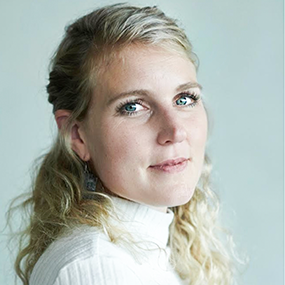
Anne-Maj van der Meer (TAUS)
A short introduction of the historic venue by Paola Casali, Director of Heritage and Development of the Santo Spirito in Sassia Monumental Complex
Europe’s cultural and linguistic diversity is a competitive advantage, but also a challenge for AI technology. Much of today’s AI remains shaped by English-first US-centric models with direct consequences for user experiences across European markets. This panel explores how this bias impacts multilingual performance and cultural relevance, and what European companies can do differently.
Conversation topics:
The shift towards sovereign AI
Training AI models compliant with EU data practices
How does the English bias in AI models affect multilingual user experiences in Europe?
Do we need all that English data to train capable models?
Where do US-based AI approaches fall short in culturally diverse markets?
How can European language technology companies develop multilingual and culturally grounded AI?
Speakers:
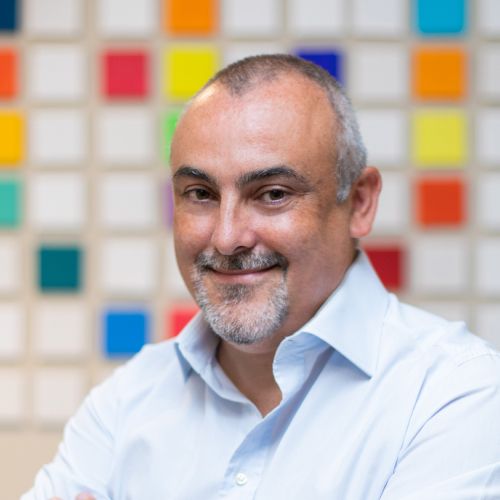
Marco Trombetti (Translated)
Gonçalo Gaiolas (DeepL)
Hosted by: Jaap van der Meer (TAUS)

Coffee and tea
AI seems to make everything so easy. Heads of enterprise globalization and localization get the question asked from their executives: Why do we need a localization vendor? Can we not just use a LLM?
It is tempting for enterprises to build their own multilingual content delivery platforms on the back of GenAI. Do-It-Yourself is what chiefs of technology may articulate as the new localization strategy. And save all the costs spent on human translation and quality assurance. The heads of the localization departments tend to resist this oversimplified approach. But at the same time, they know that drastic change is inevitable.
This session is split in two panel discussions: pragmatists and radicalists. The pragmatists have an evolutionary approach to AI technology: they adapt and make changes step-by-step. The radicalists are supporters of the transformation approach, wiping out existing tools, habits and processes, and going all-in with AI technology.
The two panels each with opposite perspectives will give the audience a deep understanding of the challenges and dilemmas customers face at both sides of the equation. Synergies between the different strategies will be sought in a conclusive Q&A session between the moderators and the audience.
Globalization Redesigners (Pragmatists)
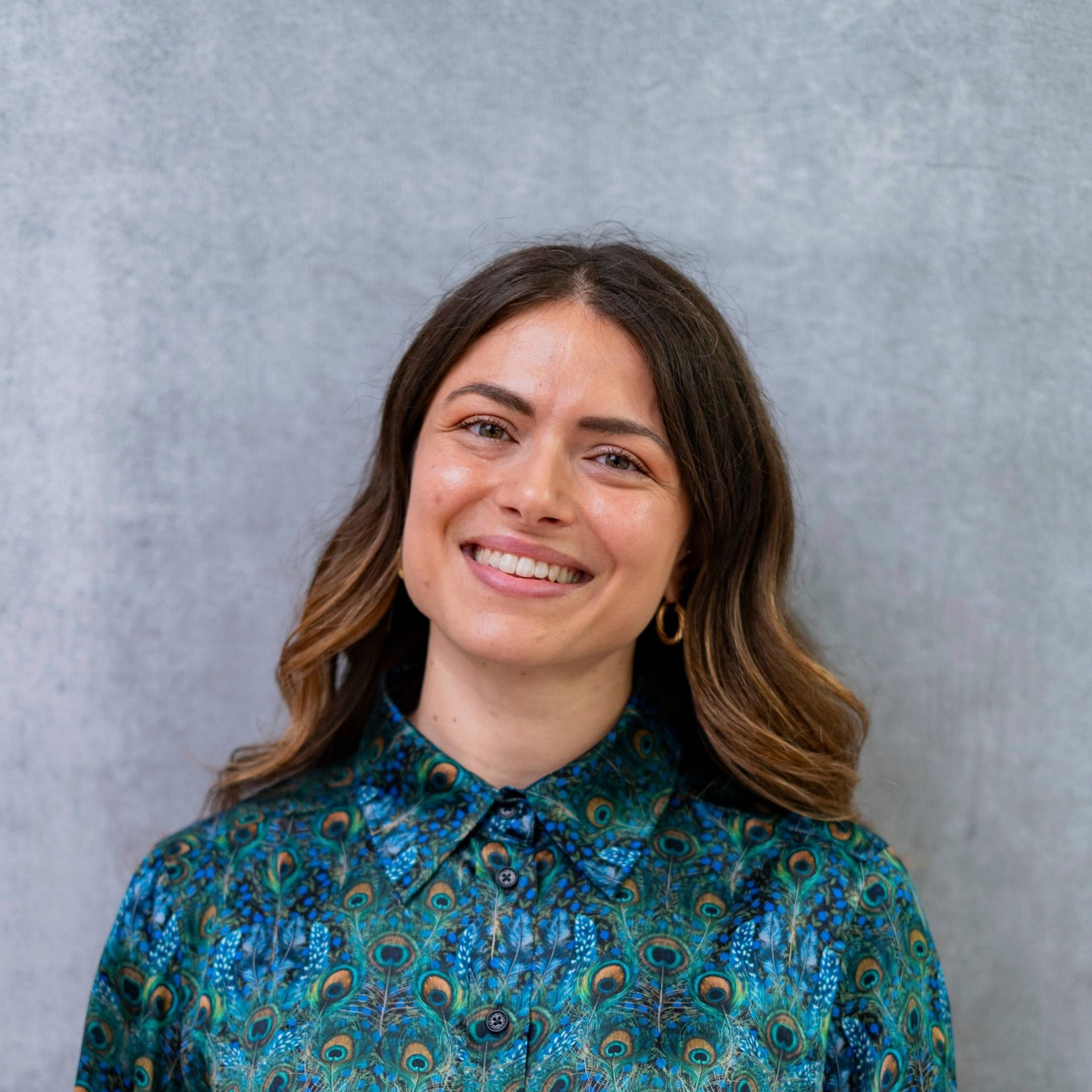
Giulia Gori (Qonto)
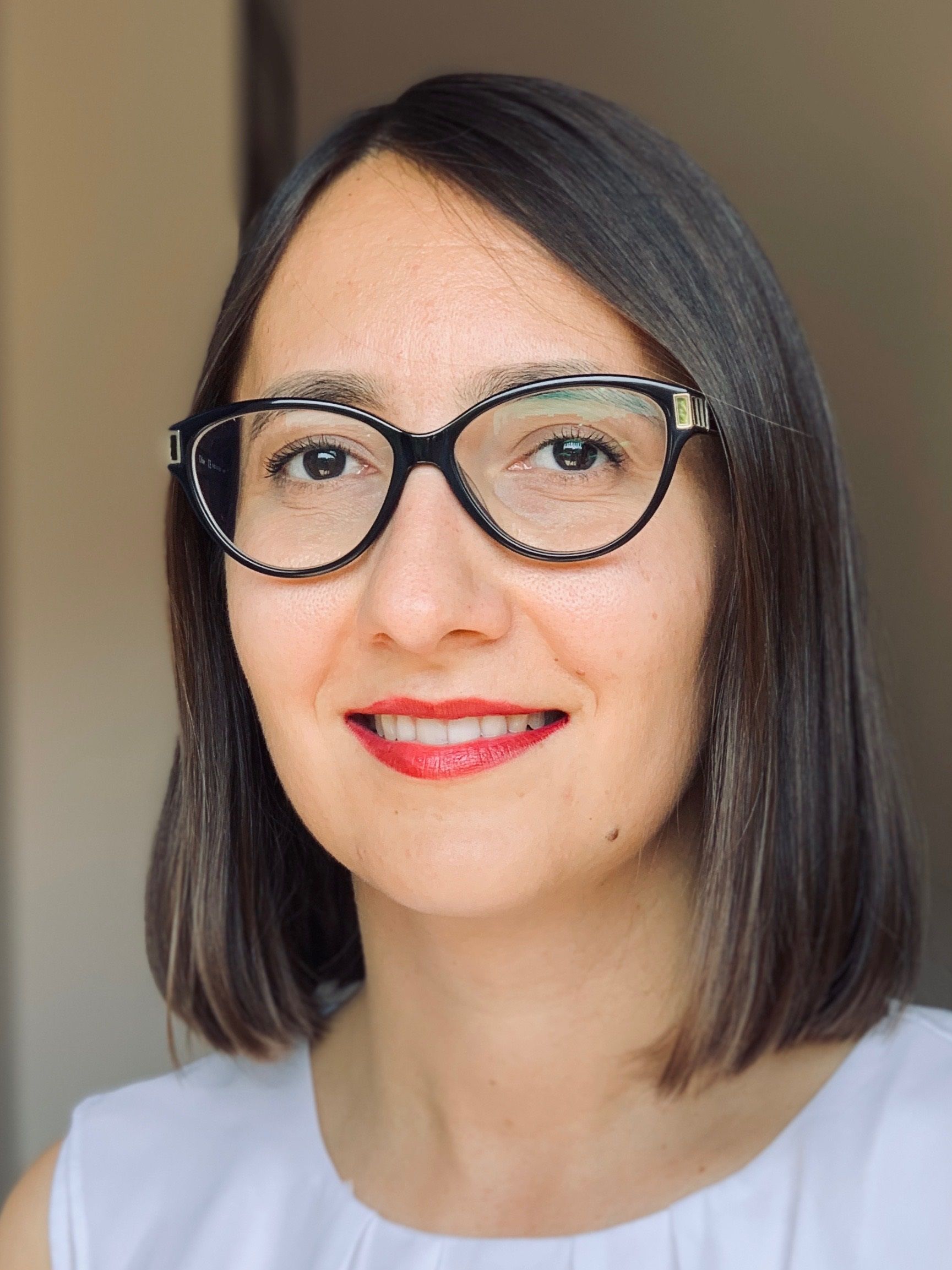
Anca Marica (Ubisoft)
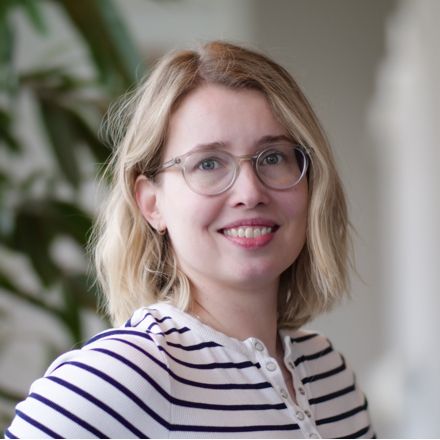
Mari-Liis Muiste (FedEx)
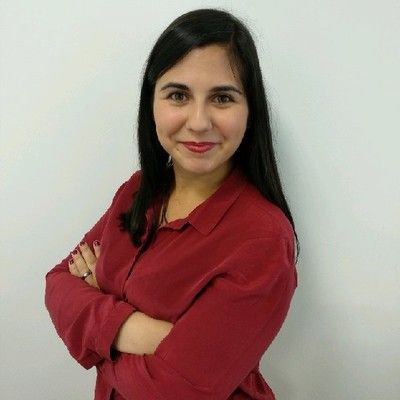
Marta Nieto Cayuela (Preply)
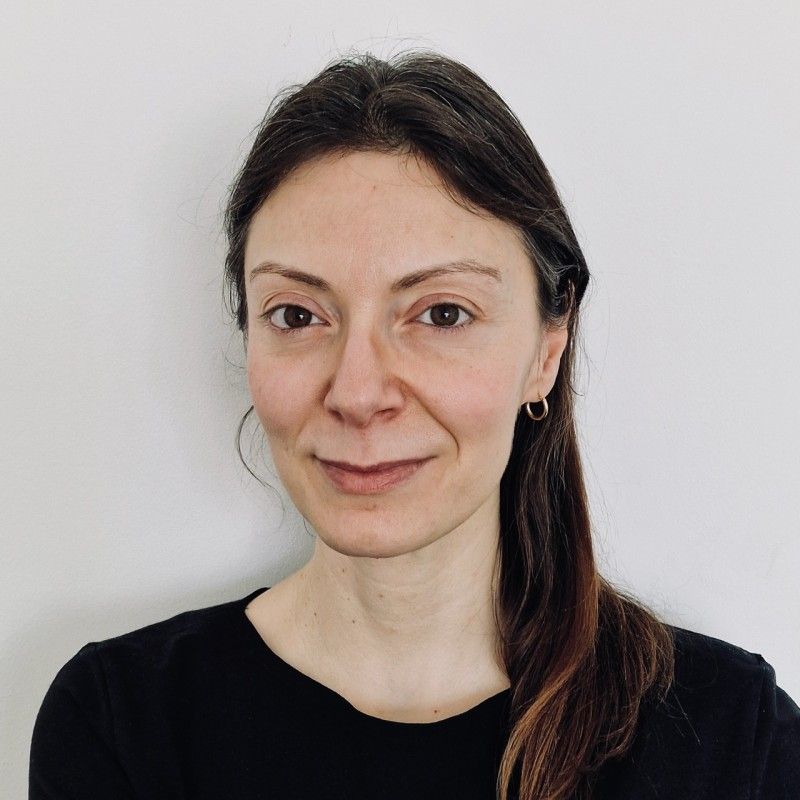
Giulia Tarditi (Revolut)
Host: Anna Fellet (Women in Localization)
In the EU Localization Championship, each company gets exactly ten minutes to present their hands-on solution. The audience will vote for the winners at the end of all the presentations.
11:45 | From Platform to Infrastructure: An Open Ecosystem with ROI at the Core
The localization industry is on two collision paths: legacy vendors retreating into monolithic platforms, and AI-first vendors selling dangerous simplicity. Phrase's ecosystem-first philosophy offers a hybrid answer: letting customers bring their own AI pipelines into existing workflows while partners like TAUS build and monetise on top. The result: a flywheel of innovation and value, allowing stakeholders to measure the performance in real-time and give executives the ROI evidence they need to keep investing.
Andreu McGurk Lastres (Phrase)
11:55 | The dirty truth about glossaries and how to clean them up
A glossary should be a translator’s primary source of truth, yet they often contain duplicates, inconsistencies and outdated entries, typos that undermine quality, especially as LLM-based translation grows.
AI‑assisted automation can detect and resolve these issues at scale, improving consistency across languages and leading to more reliable output. This makes termbase maintenance a strategic advantage, not overhead.

Paola Tirelli (RWS)
12:05 | ESTeam LangOps Core — The AI Application Layer for Multilingual Enterprises
Europe has always led in languages and now it’s time to lead in LangOps. ESTeam presents LangOps Core, a cloud-based AI platform that turns multilingual content into a strategic asset. Combining a knowledge graph, content repository, and fine-tuned LLM, it automates end-to-end workflows at scale. The result: consistent, high-quality communication across 100+ languages, with AI that continuously learns and improves.

Jochen Hummel (ESTeam)
Networking break
Translation workflows as we know them are becoming obsolete as AI takes over core translation tasks. Translation Management Systems evolve towards AI Orchestration Platforms and Marketplaces, striking the right balance between AI agents for optimized automation and expert human intelligence for quality and reliability.
Conversation topics:
Distinction between automation and orchestration
Governance challenges in agentic AI deployments
Practical design principles for building auditable and bounded AI systems
European perspective on responsible innovation in translation technology
Speakers:

Georg Ell (Phrase)
Lorcan Malone (XTM)
Mathijs Sonnemans (Blackbird)
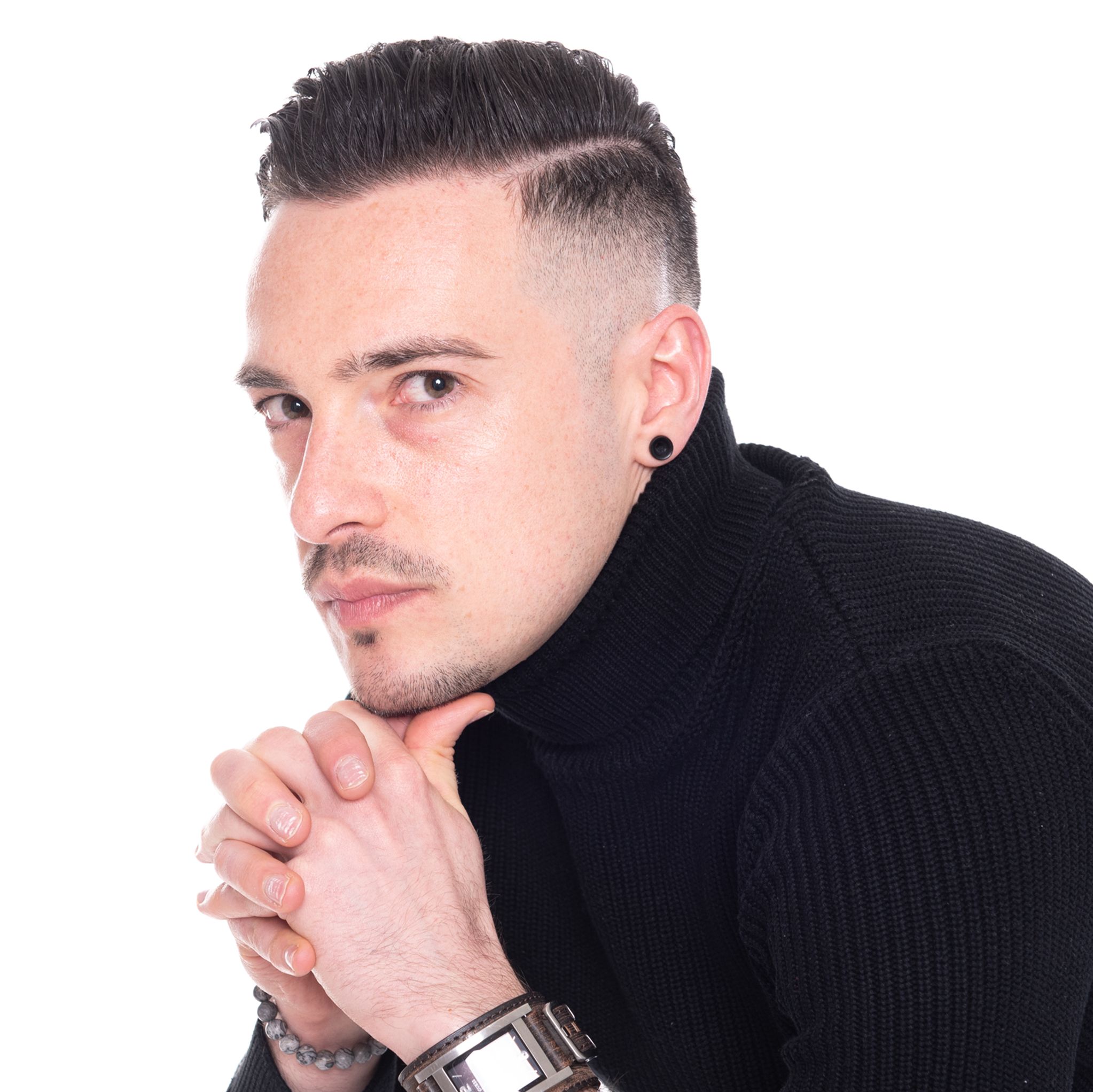
Jourik Ciesielski (Crowdin)
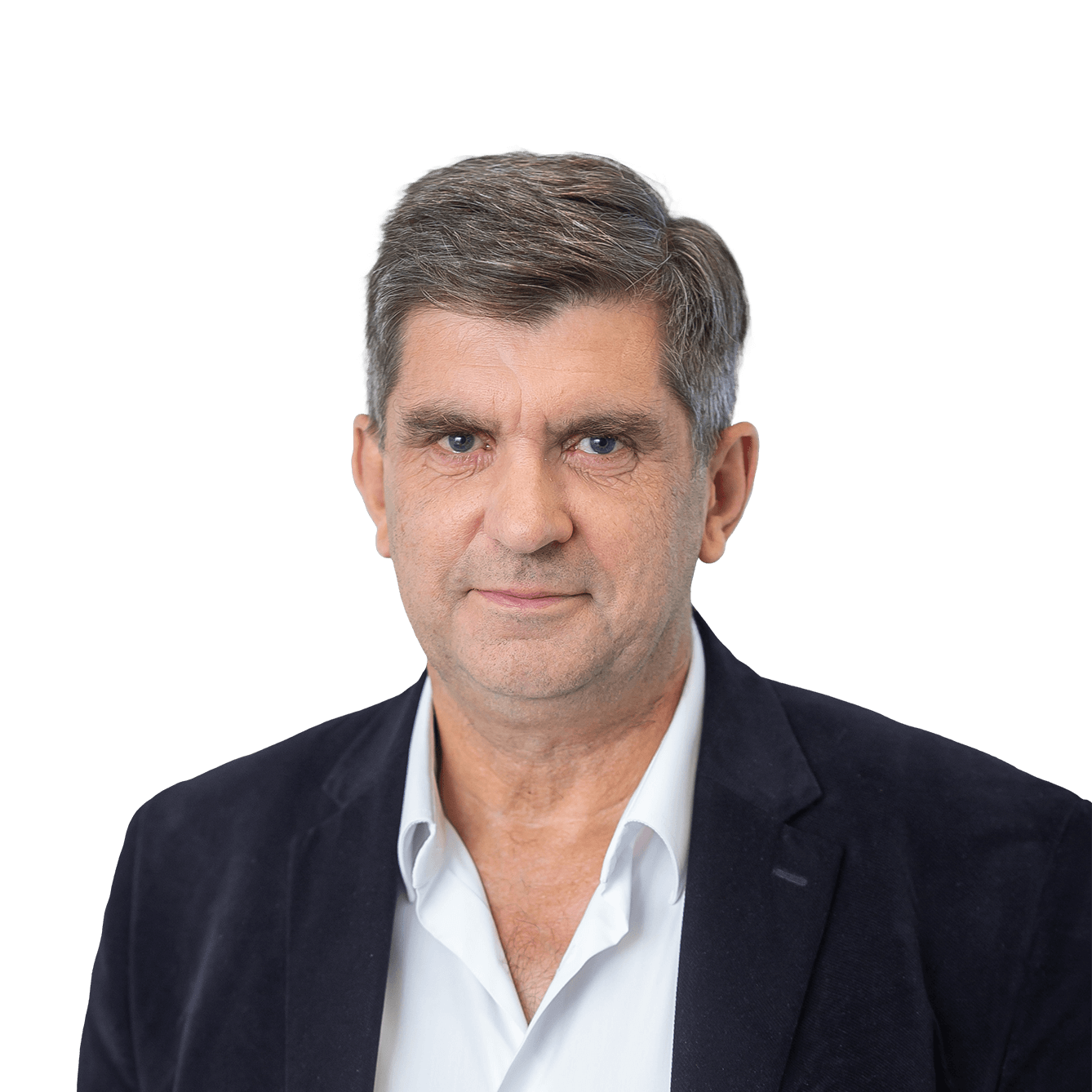
Peter Reynolds (memoQ)
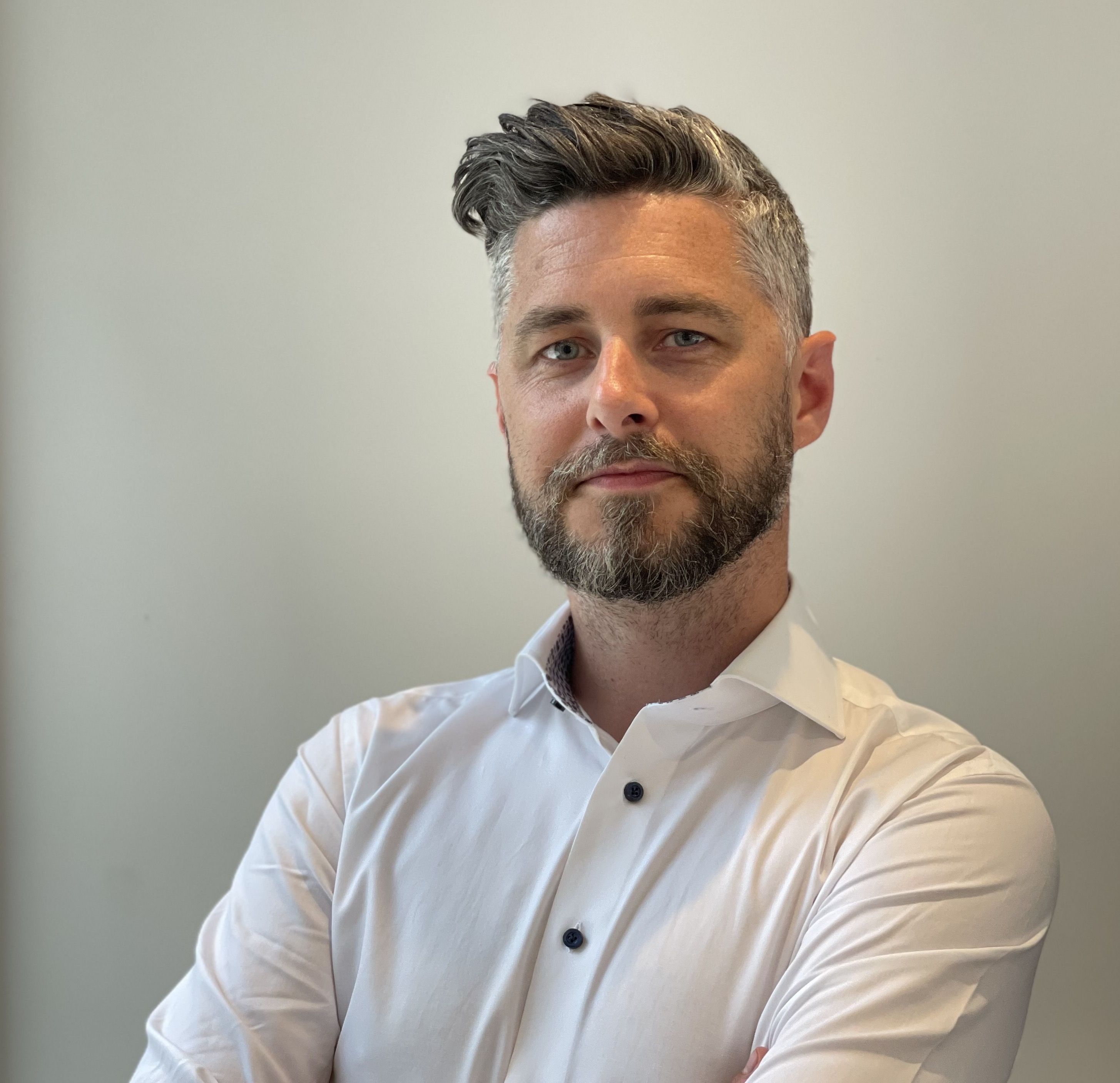
Hosted by: John Tinsley (Translated)
14:45 | Compliance in Multilingual Regulated Content? Solved.
This presentation introduces Knowledge Graph-Mediated Translation (KGMT©), a research-industry collaboration for regulated multilingual content. By integrating domain knowledge graphs into workflows, it enables compliance-ready, terminology-consistent output at scale, beyond standard MT capabilities. Built on the TAUS DQF-MQM framework, it ensures traceable quality and bridges linguistic accuracy with regulatory precision.
Viveta Gene (Intertranslations/LangOptima/Lead Semantics)
14:55 | Context is the missing layer in multilingual AI: fixing the last mile of software localization
Multilingual AI has improved speed and cost, but lacks context. Most software localization workflows still rely on isolated strings, limiting both human and AI understanding. This session explores why context is the missing layer preventing AI from scaling effectively in software localization, and how automated UI context capture can close that gap. It will demonstrate how grounding translations in real interface context improves quality, reduces review cycles, and enables more reliable automation in multilingual workflows.
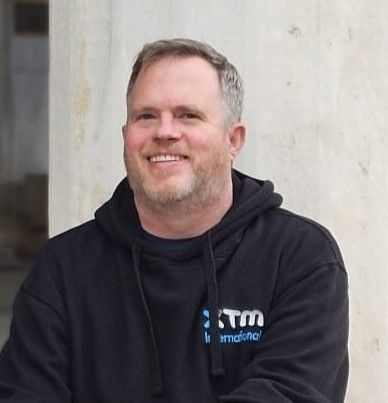
Grant Blackburn (XTM)
15:05 | Translate from All Languages at Once
Context-dependent content — software UI, help, support articles — is where post-editors spend most of their time fixing contextual errors. Multi-source translation, a new LLM-based approach, solves this: existing language versions already encode meaning, and feeding them all via RAG gives LLMs super-human disambiguation no single translator can match.
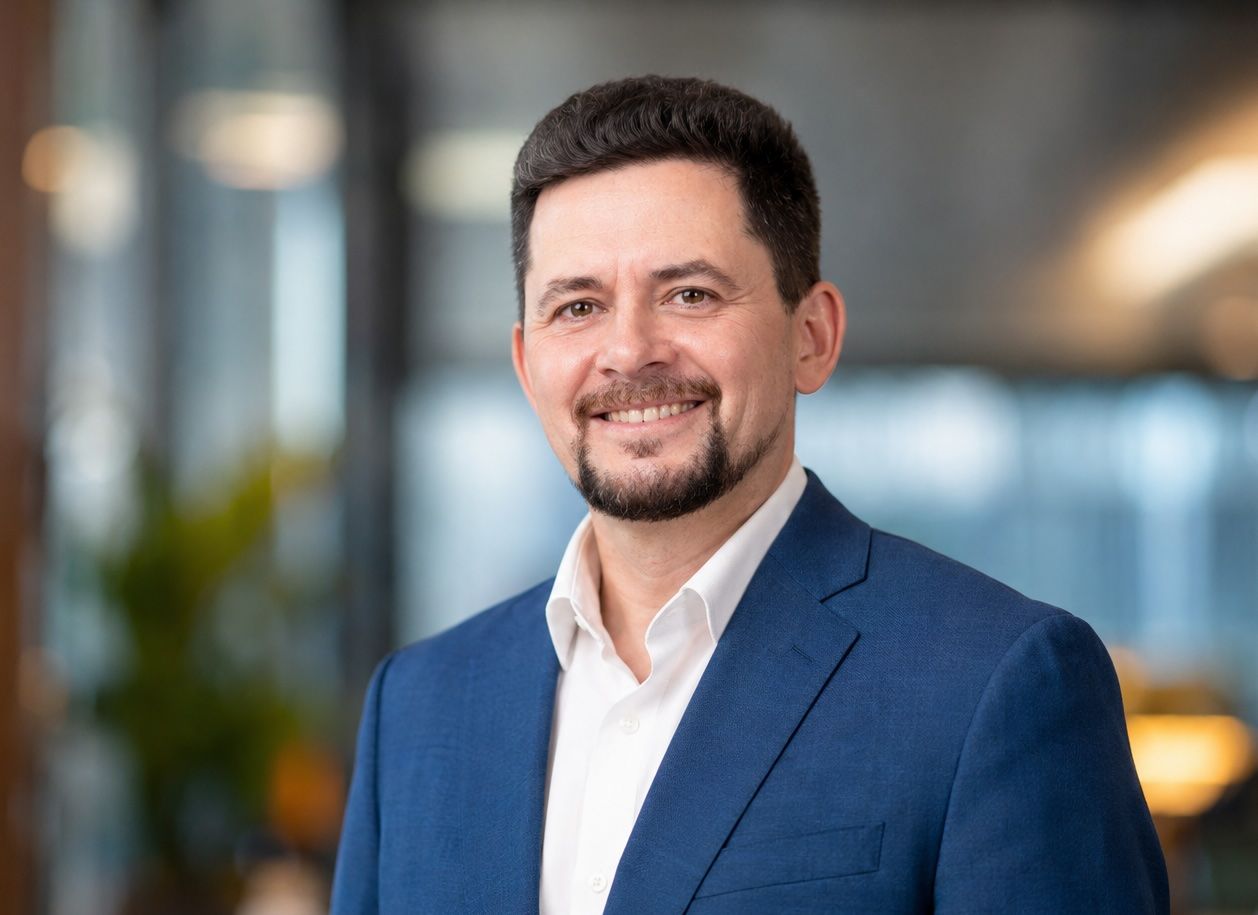
Konstantin Savenkov (Intento)
Coffee and tea
Globalization Redesigners (Radicals)
Bea Verdasco (Trendyol Group)
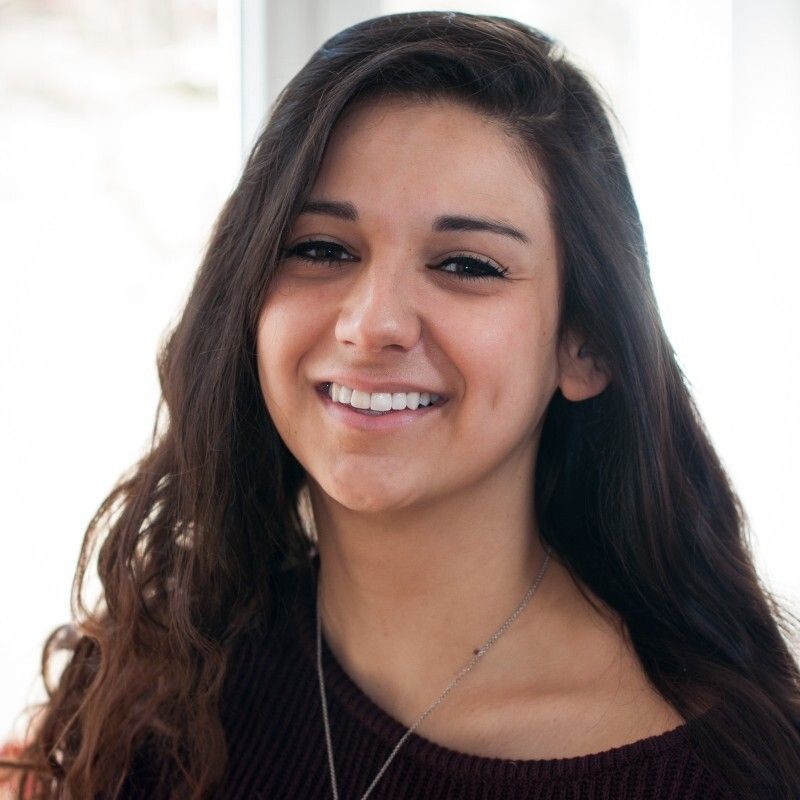
Monique Flageul Márquez (Deel)
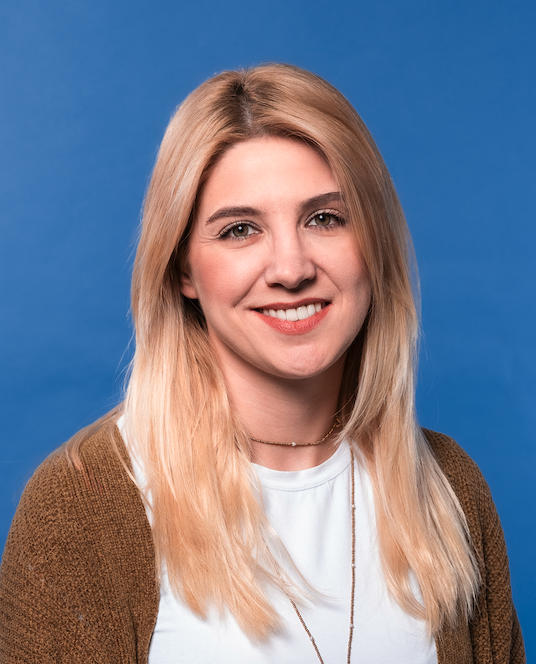
Eda Binen (GetYourGuide)

Monica Foresi (TUI)

Host: Alessia Felici (Amazon Spain)
What are the synergies and divisions in the globalization strategies?
Q&A moderated by:
Anna Fellet (Women in Localization)
Alessia Felici (Amazon Spain)
Relax and get ready for the networking dinner
Massively Multilingual AI Conference
Welcome, introductions and agenda overview
Jaap van der Meer (TAUS)
Anne-Maj van der Meer (TAUS)
Human intelligence remains indispensable, but translation services are changing. Language Service Providers need to reinvent themselves. Will they move up the value chain, become tech-first companies? Or will they go horizontally, leveraging their networks of human linguistic resources to offer data services: the human data layer.
Moving up the value chain and becoming a tech-first global content service provider (GCSP) seems an attractive strategy, but also brings along dilemmas such as build-or-buy decisions.
Going horizontal and redirecting the translation resources to data services - annotating data, validating data, quality review - is another strategy that LSPs are following. Is this an effective strategy for reinventing the LSP business or is it a race-to-the-bottom with prices tumbling down and competition becoming ever more severe?
Conversation topics:
Is the dust settling down? Do customers perceive you as an AI product company?
Cannibalization of classic services.
Build, partner or buy to obtain the AI technology
Shifting from project-based revenues to subscription-recurring revenues
The language heritage as a strategic advantage. What to keep, and what to forget.
How to build a data infrastructure.
How to scale
Speakers:
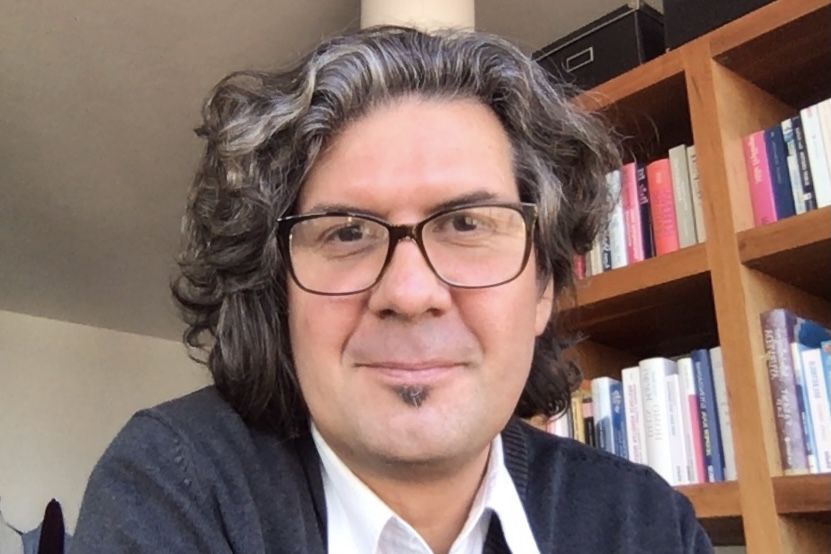
Roman Kotzsch (Milengo)
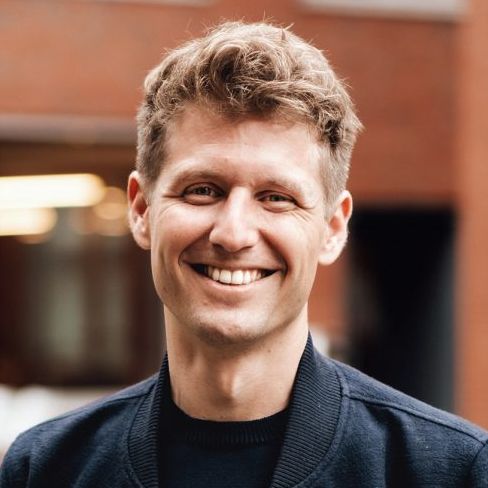
Samuel Läubli (Supertext)
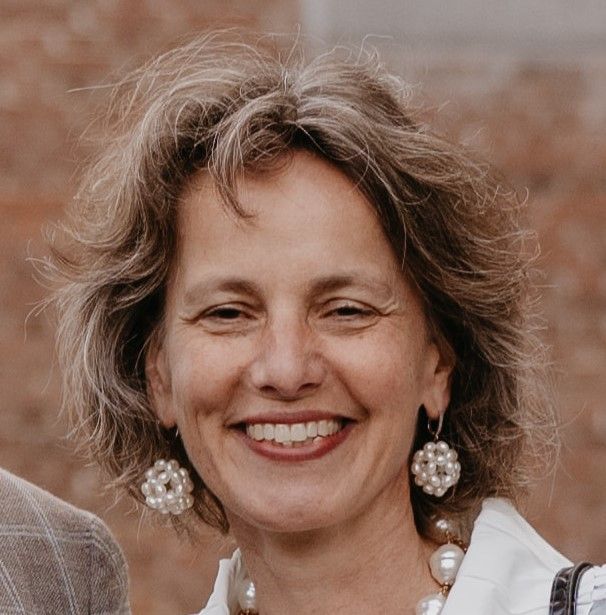
Eveline van Sandick (Attached)
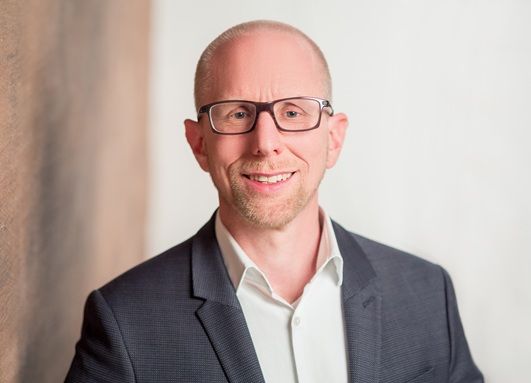
Ingo Diederichs (T-Works)
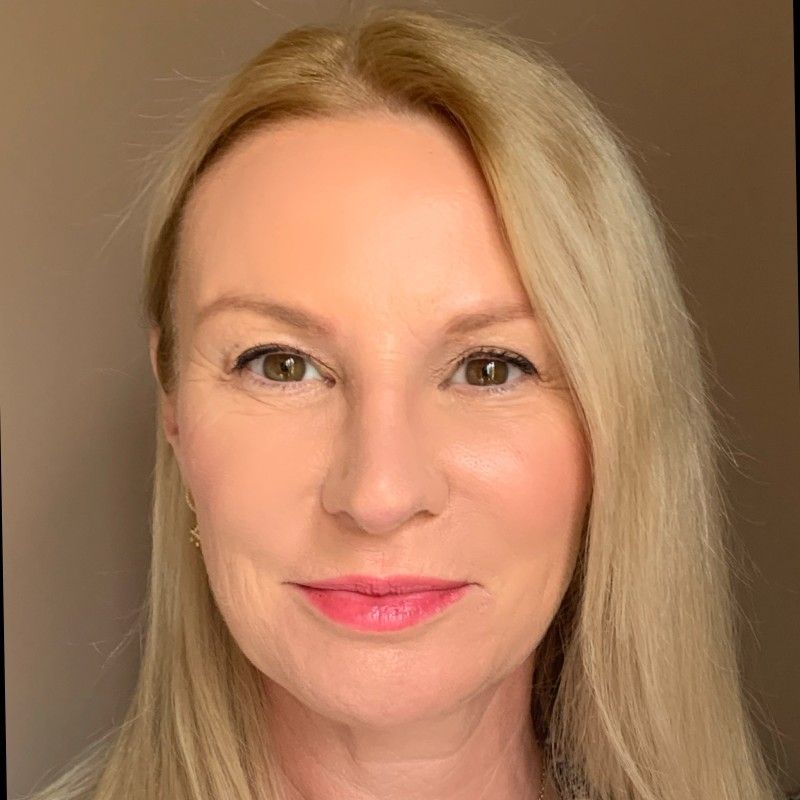
Véronique Özkaya (Datamundi)
Co-host: Anne-Maj van der Meer (TAUS)

Co-host: Renato Beninatto (Nimdzi Insights)
Coffee and tea
11:15 | Tired of Zoom and Teams meetings?
No worries! Not so long from now everyone will be able to send their avatars to online meetings. Digital agents and e-butlers will take care of everything. This is not science fiction: a consortium of European companies and universities (among others Translated, TAUS, Zoom) work together in the MeeTween project to deliver all the ingredients for the most innovative meeting platform where diversity of languages, cultures and media is no longer a problem.
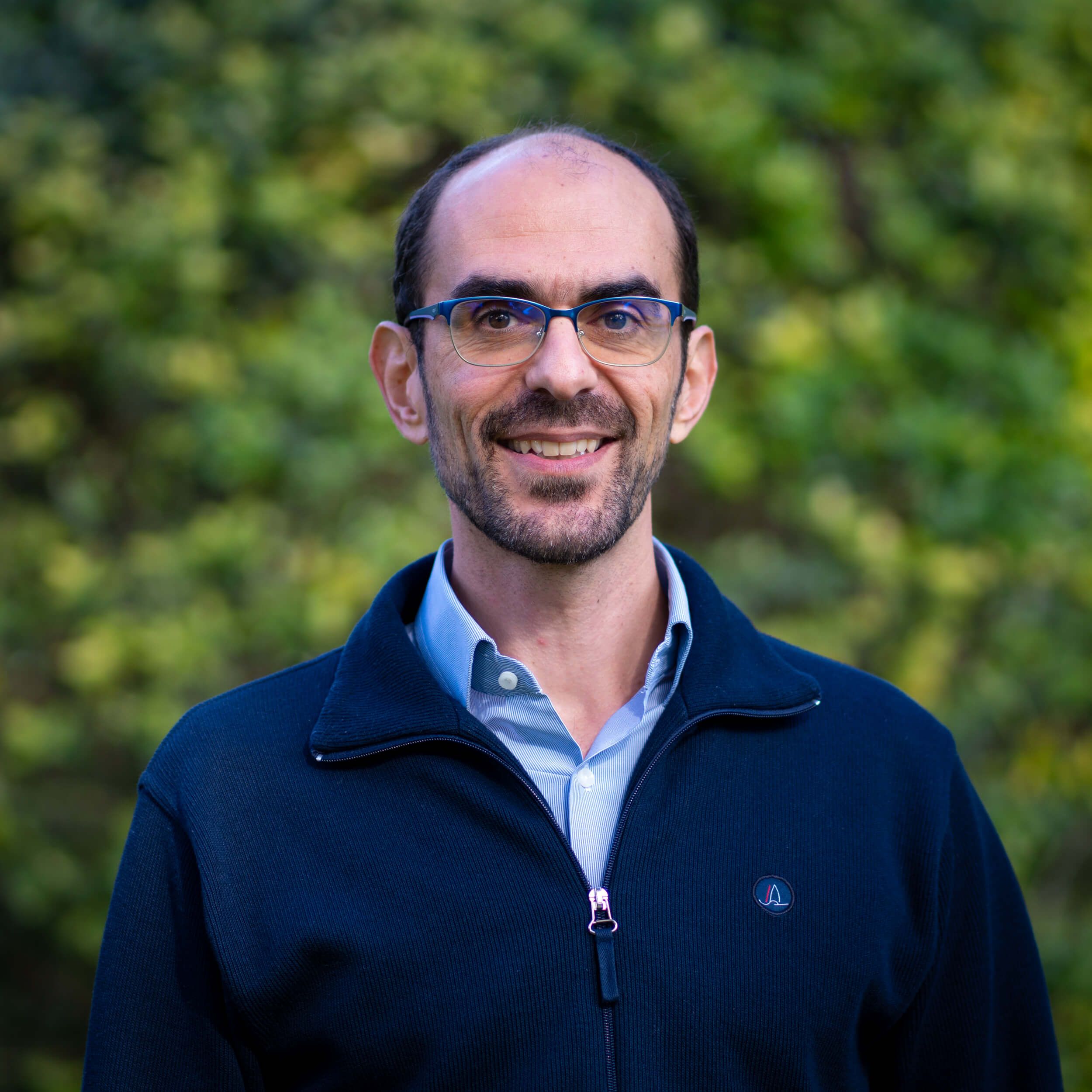
Sébastien Bratières (Translated)
11:25 | Measuring Subtitle Quality at Scale: From Manual to Automated LQA
This presentation introduces an AI-enabled subtitle LQA workflow that turns mixed MT and human-reviewed subtitles into measurable, comparable quality data. Adapting the TAUS DQF-MQM framework to subtitle-specific errors, it replaces manual tracking with automated annotation and analytics—reducing effort, enabling real-time visibility, and building a “golden dataset” for future quality evaluation.
Eda Binen (GetYourGuide)
11:35 | Noah’s Harness: When Translation Is No Longer Final
In an AI-driven world, translations are no longer final. Content is fluid and continuously evolves. As both humans and agents create and edit multilingual content, traditional translation workflows can no longer keep up. Over the years we’ve built the asset primitives (termbases, style guides, knowledge graphs) that work for static content and human speeds. This session shows how using AI “in the other direction” to continuously update these assets in real time can reshape how you think about localization.
Mathijs Sonnemans (Blackbird)
Translation Technology at the EU Institutions
Long before the private sector dared to rely on automatic translation the European Commission already started experimenting with the technology from Systran. The history of MT at European institutions goes back to the nineteen-seventies and has since then pioneered every wave of innovation. European institutions, as big users of translation technology and the largest employers of translation professionals, have a wealth of experience and insights to share.
In this session we will hear from the leaders of technology, quality and human resources at government institutions in Europe about their past, present and future experiences and plans with translation technology, and AI.
Conversation topics:
Best ways of upskilling language professionals in AI
The next technology paradigm: where to go from translation memories?
From POCs to AI services: how to put innovations to practice
European Cloud Sovereignty
Independence from English-centric models
Speakers:
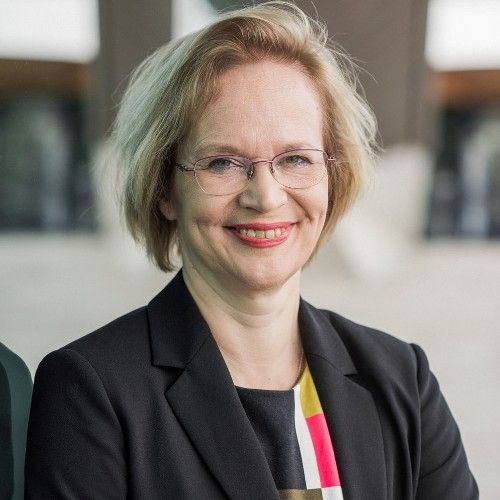
Marja Hennessy (EC DGT)
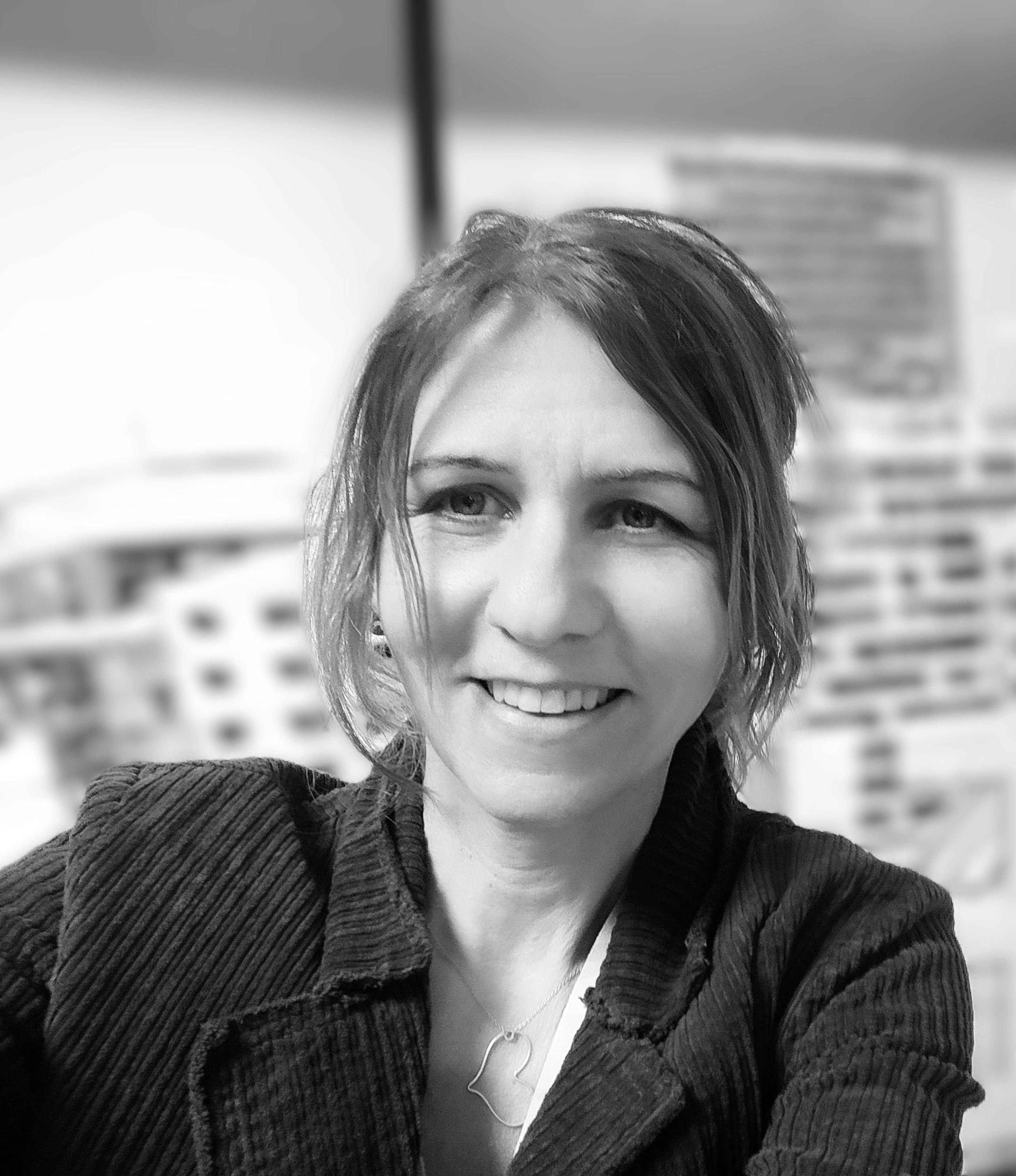
Anna Samiotou (Translation Center for the Bodies of the EU)

Hosted by: Jaap van der Meer (TAUS)
Networking break
MT is a given. Every institution and business is using it. The next AI technology breakthrough is Quality Estimation (QE) and Automatic Post-Editing (APE). A recent Gartner report on QE and TAUS predicts that by 2027 all translation operators in the world will have implemented QE. And as Nimdzi wrote last year: “If nearly 50% of the market is using MTPE, but not all of them are leveraging the full power of MTQE and AutoPE, then we’re looking at systemic inefficiency at scale. Even a conservative estimate suggests billions of dollars are spent globally on partly avoidable human labor, operational drag, and underutilized automation.”
In this session we talk with both enterprise and LSP users about their experiences with risks and confidence analysis and the results they are able to achieve.
Speakers:
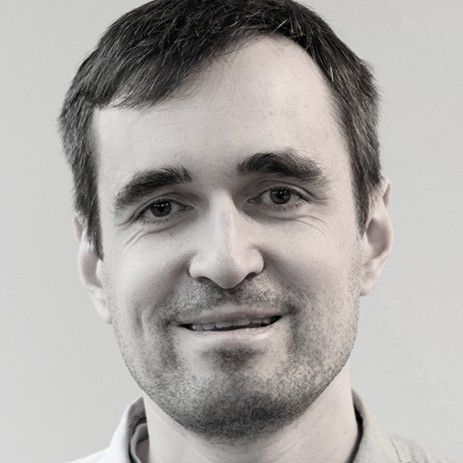
Evgeny Matusov (Apptek)

Amir Kamran (TAUS)
Viveta Gene (Intertranslations)
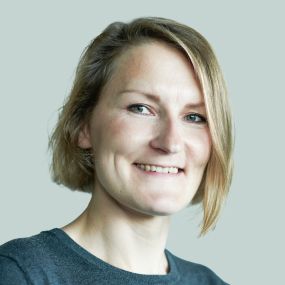
Hosted by: Dace Dzeguze (TAUS)
Coffee and tea
In the current landscape of AI-driven content generation, the industry has focused extensively on speed and scale. Less time has been spent on interrogating the interactional layer of this new delivery paradigm: how AI-generated multilingual content positions itself in dialogue with users - in this case, content authors in the enterprise - and how that positioning shapes trust, uptake, and decision-making. As large language models become more pervasive in global content workflows, they do far more than translate. They actively perform alignment work to reduce friction, drive productivity, and lower costs. But at what future cost?
This discussion will explore the risks of processing multilingual content through LLMs and cover the critical "downstream" effects of this dynamic: the masking of uncertainty and inaccuracy through high fluency, potentially leading to quality concerns and the erosion of brand integrity.
Speakers:
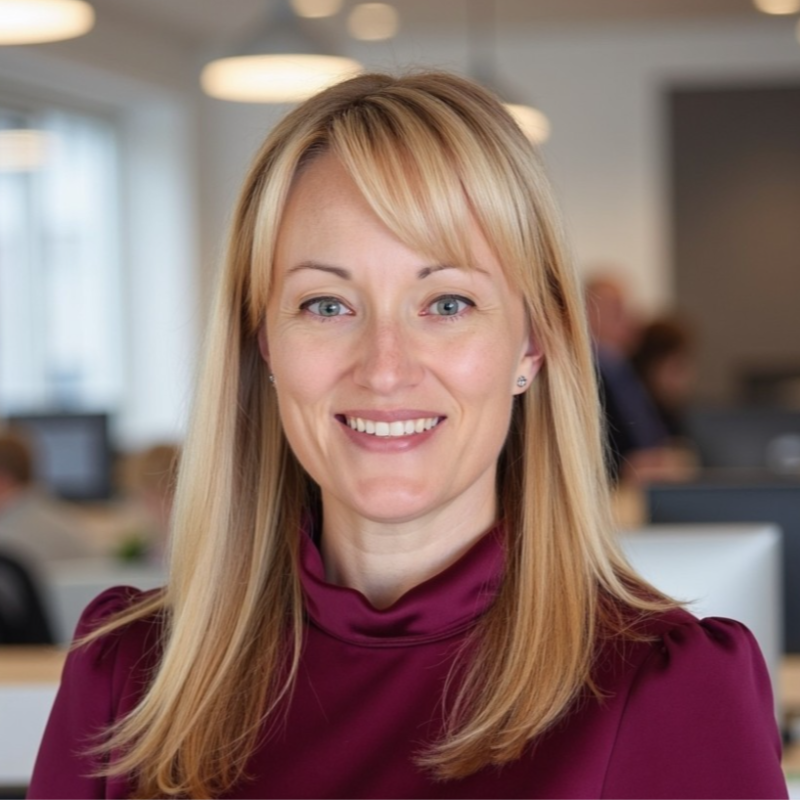
Elizabeth Milkovits (Nimdzi Insights)
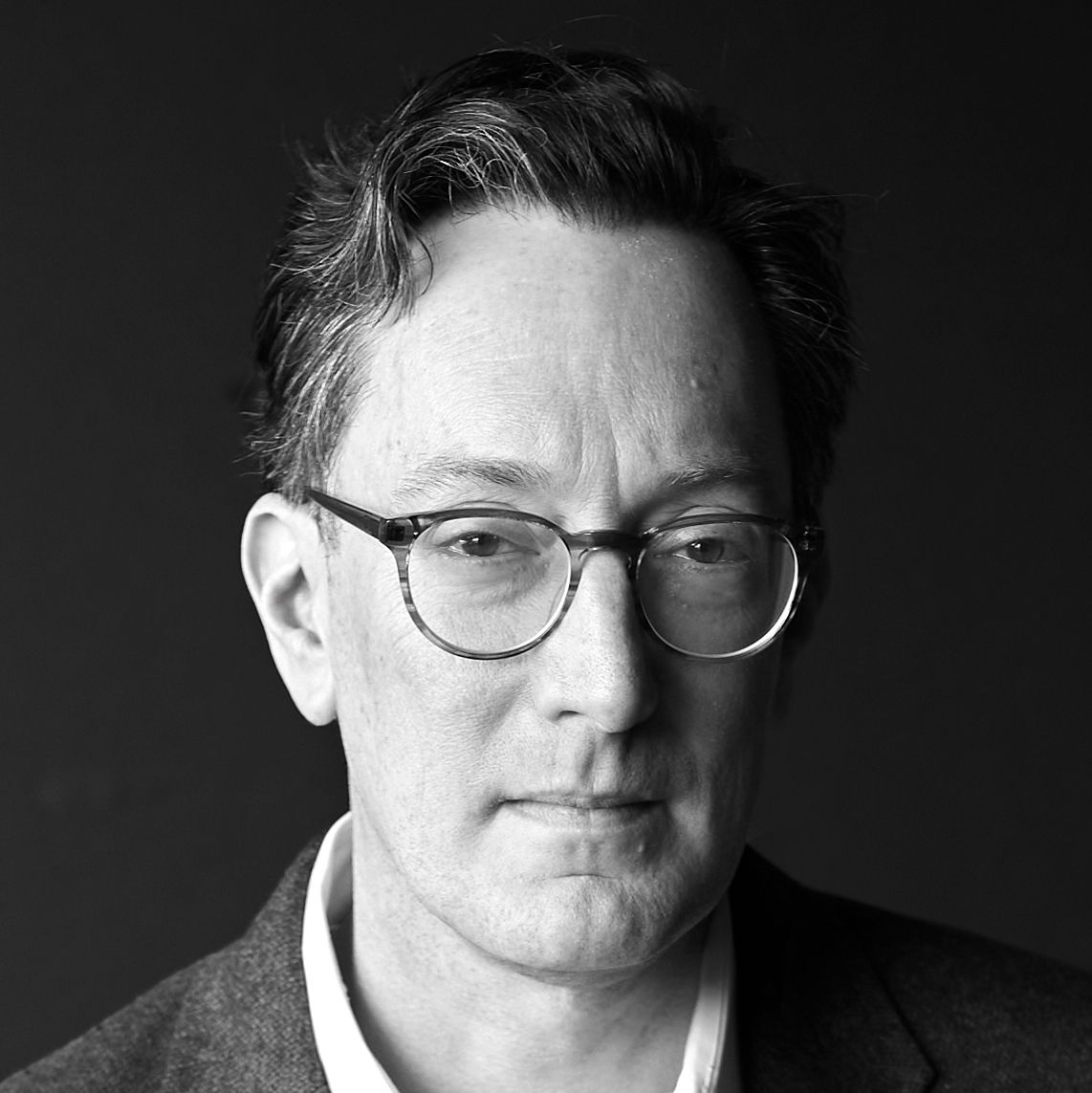
Jeff von Spangenberg (RH)
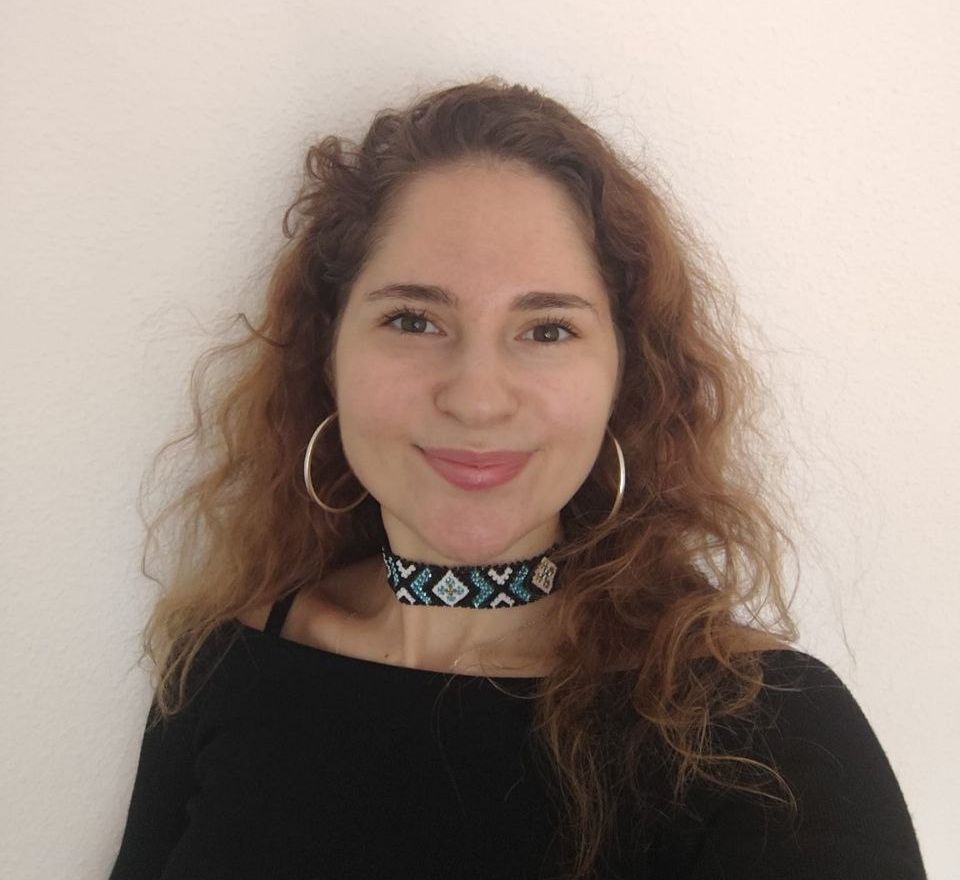
Oleksandra Khilienko (Headway)

Hosted by: L’Meese Greaney (Translated)
Hosted by:
Anne-Maj van der Meer (TAUS)
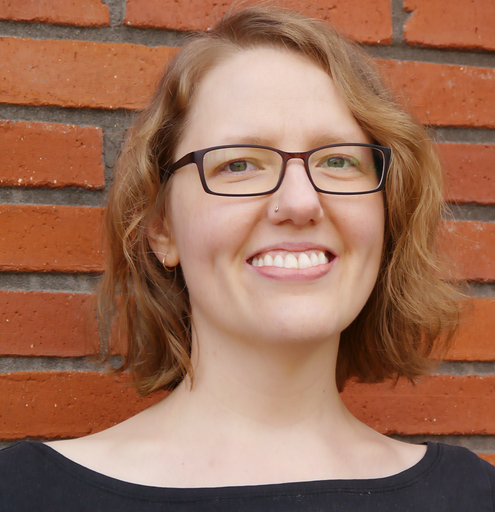
Ann Huehls (AH Consulting)
End of TAUS Rome 2026. Check out the program for Vancouver and join us there on 14-16 October!
EU Localization Championship: No Guts, No Glory
In contrast with other big geographical markets Europe nurtures its diversity in cultures. Europeans have multilinguality in their blood. This has been the breeding ground for the MT gurus coming out of European universities and the pioneering localization companies led by European founders since the nineteen-eighties. And now again, European localization companies are best positioned to take advantage of AI technology and become the new global leaders in localization.
TAUS calls on European technology start-ups and LSPs to join the conference in Rome to present their unique and innovative solution for multilingual content delivery and take part in the EU Localization Championship. Ten companies will be selected to present their hands-on solution and to compete for the gold, silver and bronze medals.

Venue
The TAUS Massively Multilingual AI Conference 2026 will be held in Rome, Italy. Please find below more details about the venues.
This year’s conference will be held at one of Rome’s most extraordinary hidden treasures: the Corsie Sistine di Santo Spirito in Sassia. Originally commissioned by Pope Sixtus IV in the late 15th century, this historic complex served as a hospital for the poor and for pilgrims arriving in Rome. Recently restored to its Renaissance splendor, the Corsie Sistine stands today as a remarkable masterpiece of civic architecture and cultural heritage.
Located just steps from the Vatican, the 120-meter-long halls are adorned with more than 1,200 square meters of frescoes from the Umbrian-Lazio school, illustrating the history of what is considered the oldest hospital in Europe. Their artistic significance is often described as second only to the Vatican’s own Sistine Chapel.
As you enter the venue, you’ll experience an unparalleled atmosphere: breathtaking painted ceilings, the magnificent Portale del Paradiso by Andrea Bregno, and a unique 16th-century marble ciborium attributed to Andrea Palladio. These halls are also tied to the early studies of Michelangelo who came here to study human anatomy.
For centuries, this space has been dedicated to learning, care, and the advancement of human knowledge. Today, it provides a remarkable setting for a new kind of exchange: bringing together leaders in multilingual AI, language technology, and localization to explore how we shape communication across cultures and languages.
In these historic halls where art, science, and discovery once came together, we will gather to share ideas, challenge assumptions, and imagine the future of multilingual communication. We look forward to welcoming you to Rome for a conference set in a place where history, knowledge, and innovation meet.
The venue is easily accessible by taxi and public transport and sits within walking distance of many hotels, restaurants, and historic landmarks. Please find more details about our hotel recommendations below.
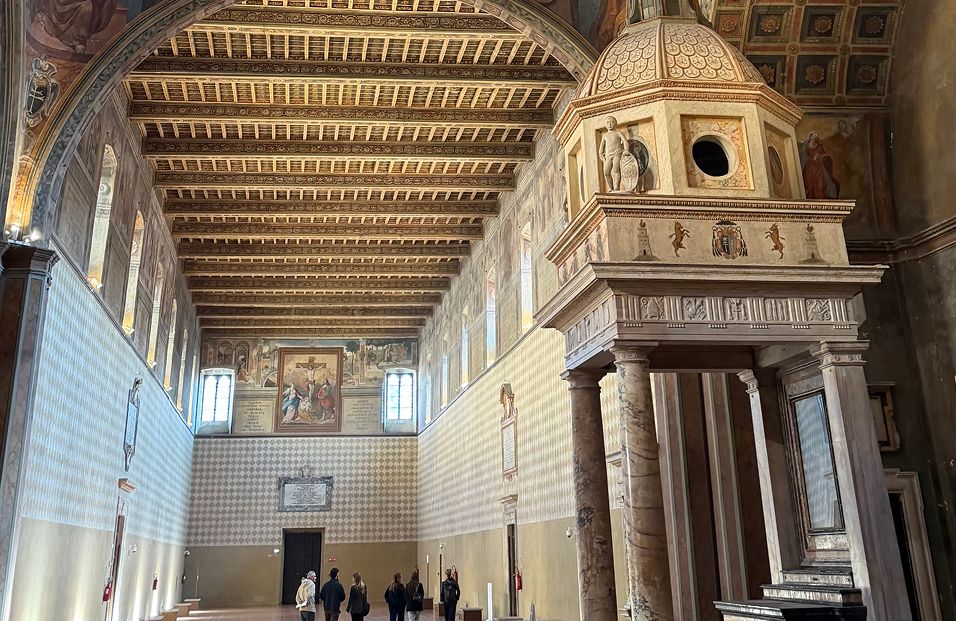
Corsie Sistine di Santo Spirito in Sassia
The venue is easily accessible by taxi and public transport and sits within walking distance of many hotels, restaurants, and historic landmarks. Please find more details about our hotel recommendations below.
Hotel Recommendations
We have arranged a special conference rate for attendees at the nearby Hotel Atlante Garden, a four-star hotel located just a short walk from the conference venue. The hotel offers beautiful rooftop views over St. Peter’s Basilica and the Vatican (where the opening reception will take place) and provides convenient access to the Corsie Sistine.
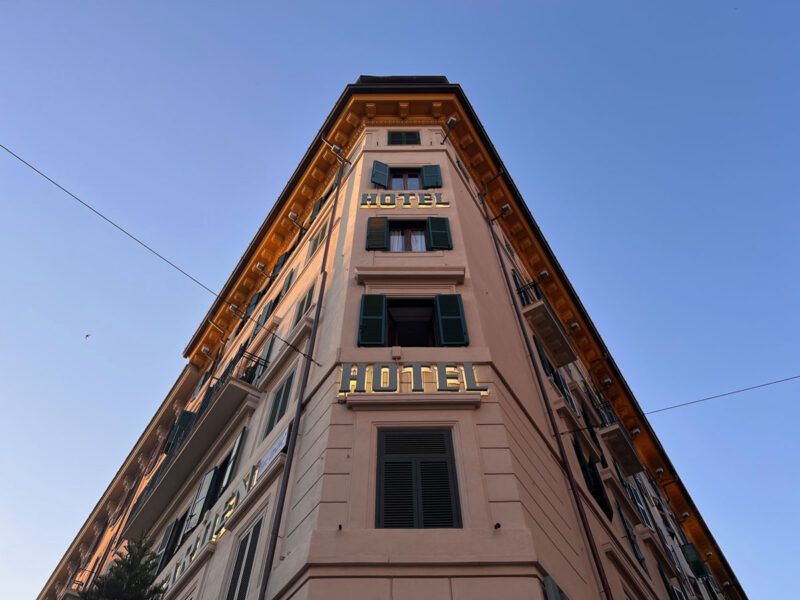
Hotel Atlante Garden
Address: Via Crescenzio 78, Rome
€260.00
per double room for single use, per night, incl breakfast
€280.00
per double or twin room for double occupancy, per night, incl breakfast
How to book: Send an email to this address info@atlantehotels.com indicating the code "TAUS2026". Rates available at a first-come, first-serve basis. Space is limited.
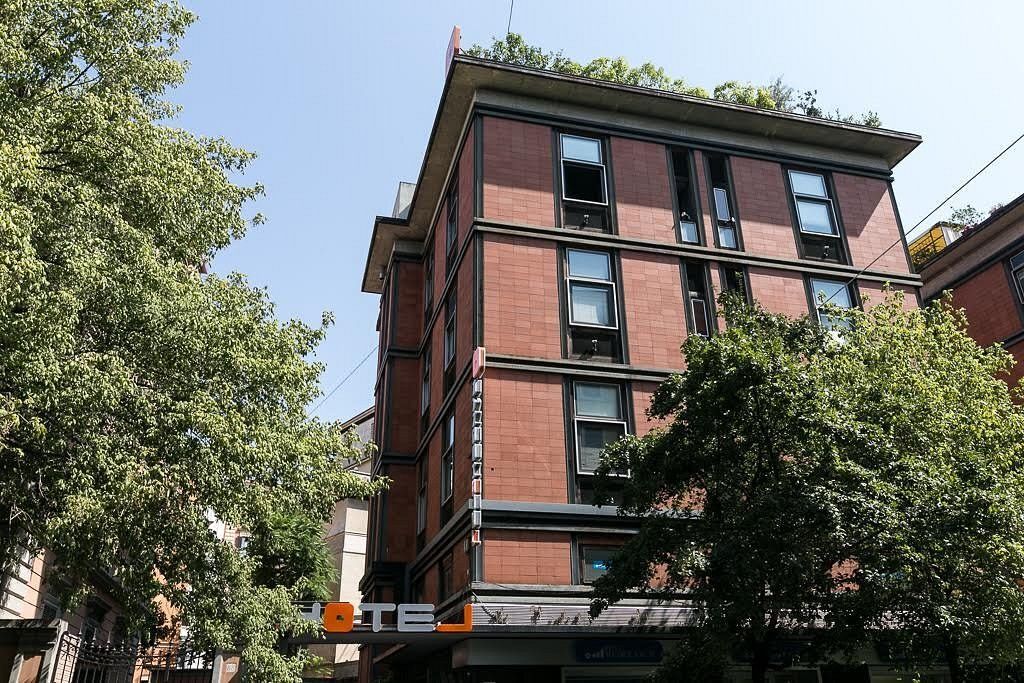
Hotel Orange
Address: Via Crescenzio 86, Rome
€180.00
per double room for single use, per night.
Breakfast buffet: 20€ starting at 7:00 am.
How to book: Email sales@orangehotelrome.com with subject line "TAUS Group”.
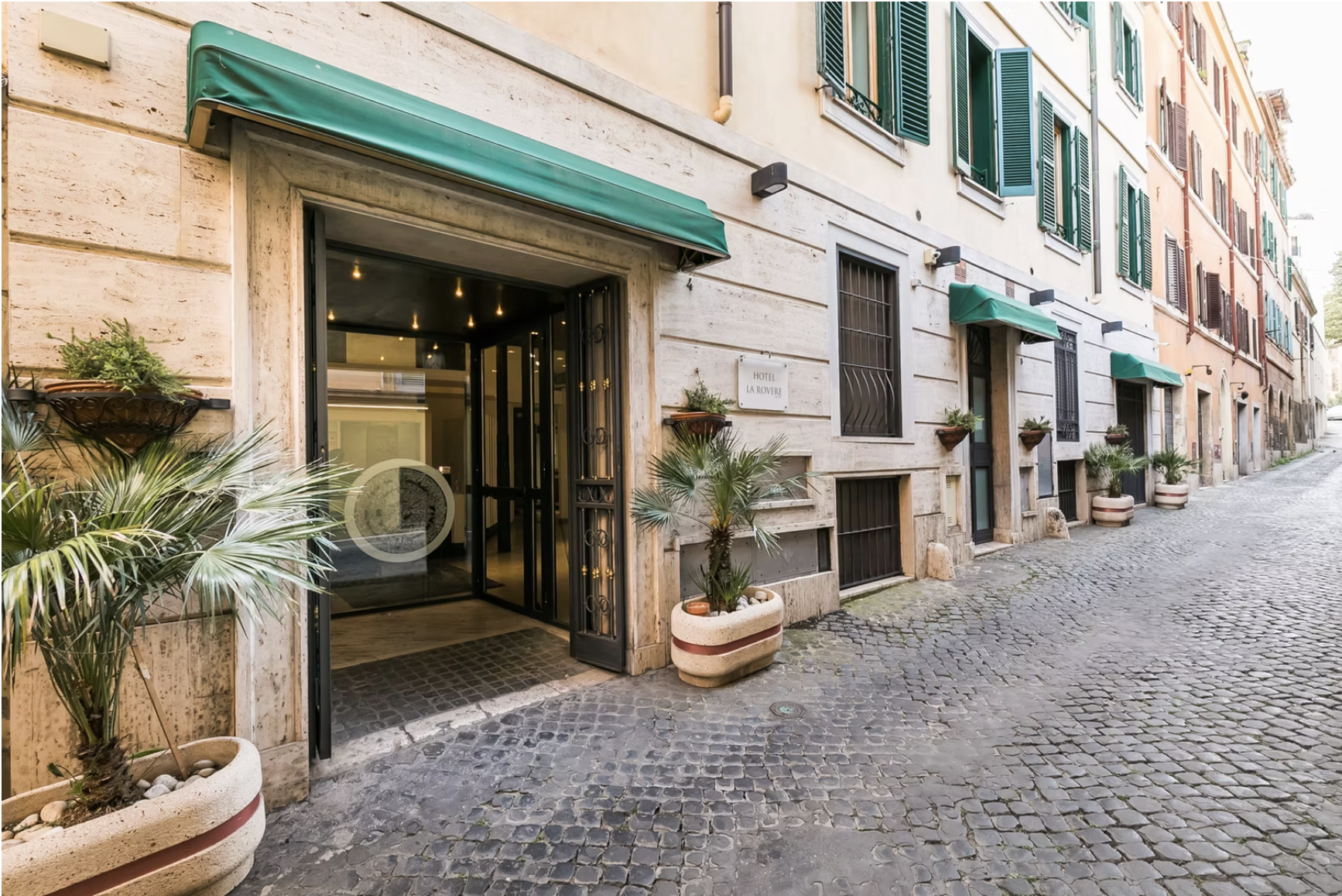
Hotel La Rovere
Address: Vicolo Sant'Onofrio 4, Rome
Book here and use this discount code: PROMO.HLR040326
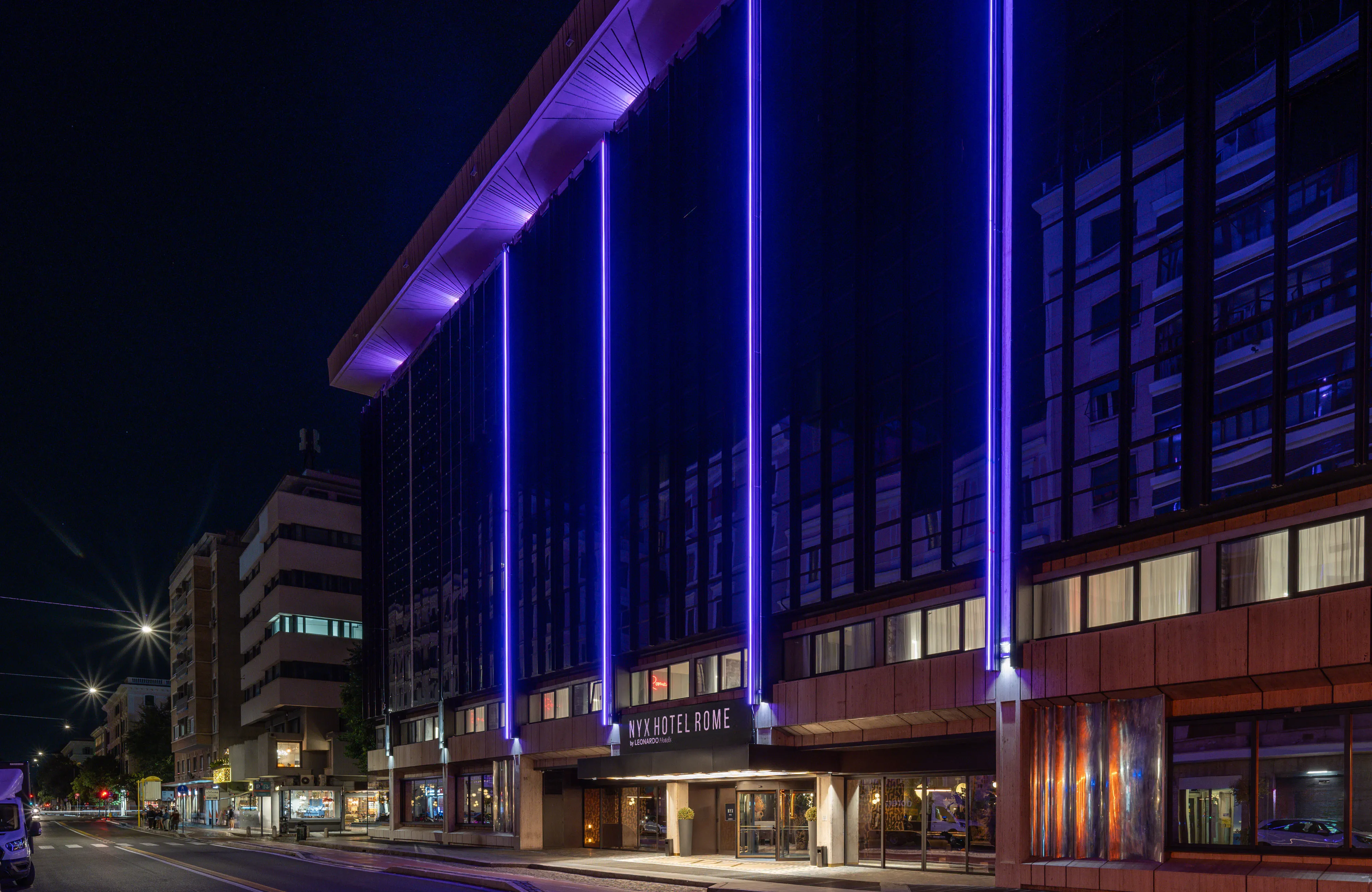
The Nyx Hotel
Address: Via Cicerone 55, Rome
€343.00
per double room for single use.
€360.00
per double room.
Book here and use this discount code: TAUS2026
Opening Reception
Our opening reception will take place on the rooftop terrace of the Atlante Star Hotel, offering panoramic views of St. Peter’s Basilica and the Roman skyline. Join fellow attendees on 3 June from 6:30 - 8:30 pm for drinks, conversation, and the perfect start to the conference.
The opening reception is included in the registration fee but RSVP is required.

Opening Reception
3 minutes-walk from the Venue.
Date: 3 June
Starting time: 6:30 pm
Venue: Atlante Star Hotel (rooftop terrace)
Networking Dinner
We're excited to announce that Translated is hosting the TAUS Networking Dinner on the 4th of June in the EUR district in the headquarters of its campus. The dinner experience will be set in a bright villa, with pool view, surrounded by green, and designed to facilitate networking. Shuttles will be arranged for the trip to and from Translated
The networking dinner is included in the registration fee but RSVP is required.
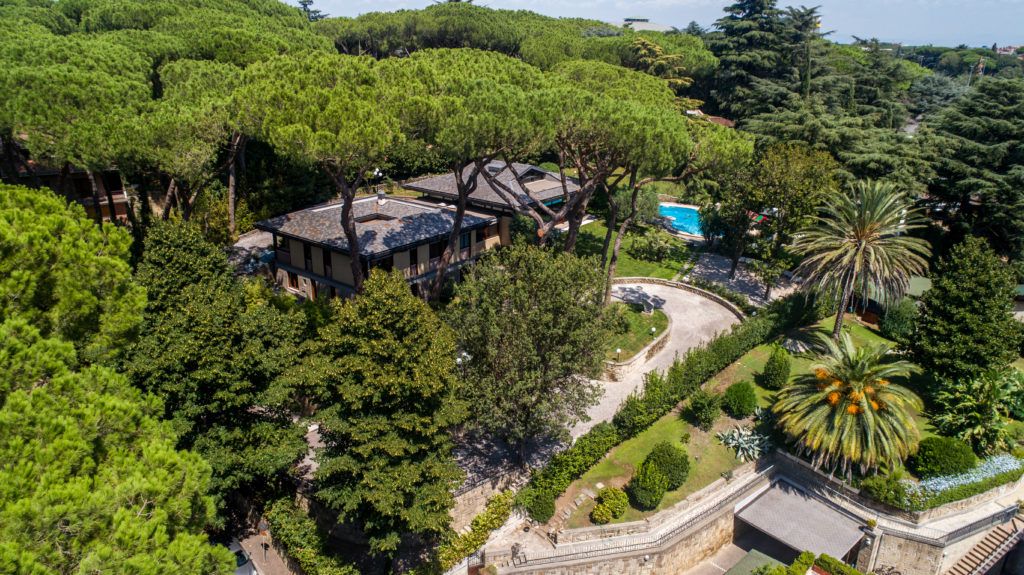
Networking Dinner (Sponsored by Translated)
3 minutes-walk from the Venue.
Date: 4 June
Starting time: 7:00 pm
Venue: Translated HQ
Address: Via Indonesia, 23, 00144 Rome
