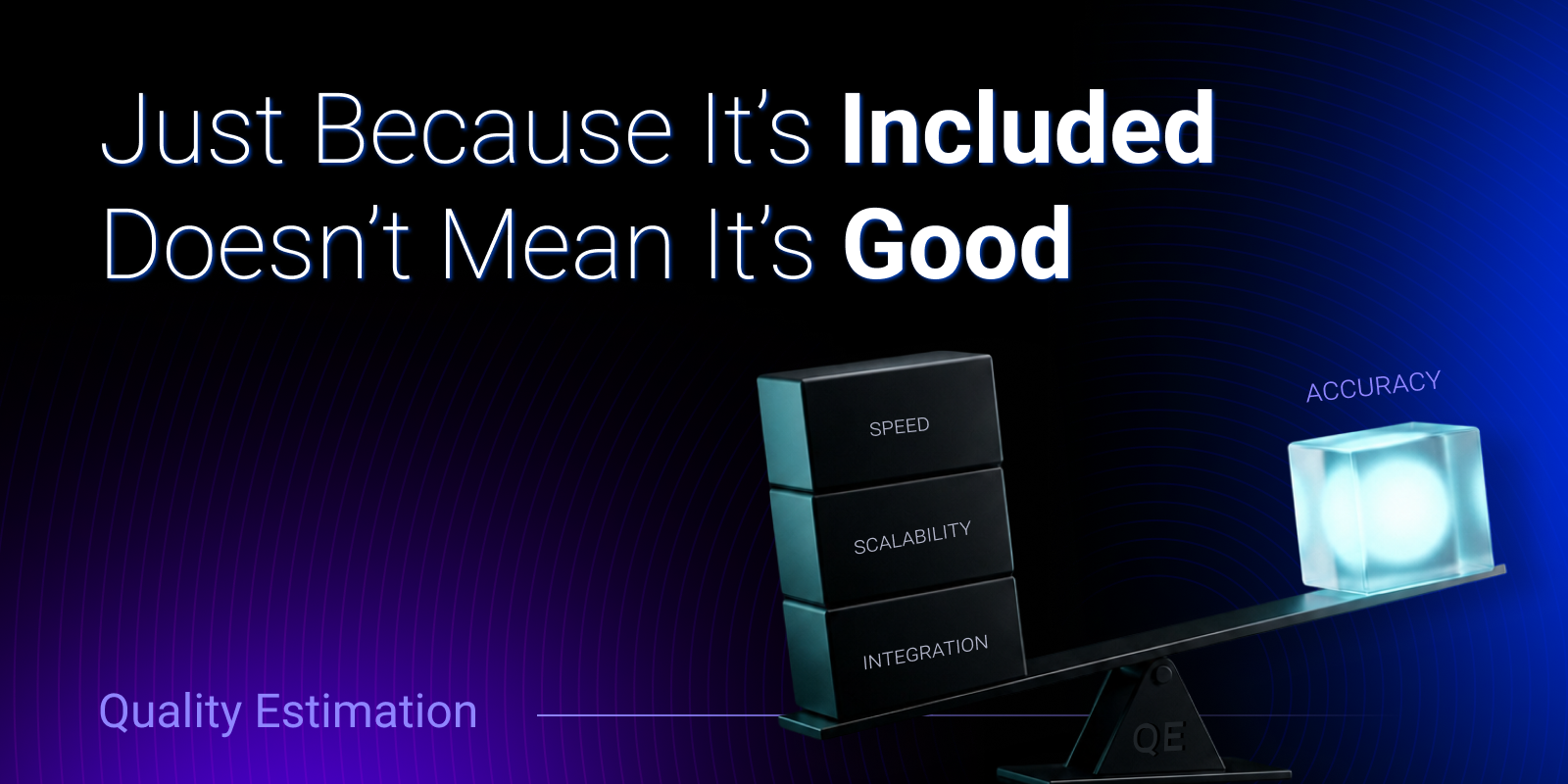
Quality Estimation in machine translation may be standard, but it often lacks reliability. Discover how to evaluate its effectiveness and avoid false confidence.
The translation industry must evolve beyond traditional TMS to embrace AI and Quality Estimation technology, ensuring cultural intelligence and brand integrity.
Celebrating the 20th anniversary of TAUS this month caused the team to look back at the predictions and outcomes so far. What have we achieved? What went wrong?
Explore the fascinating journey of Lisa Vasileva, a Machine Learning Engineer at TAUS, as she transitions from a professional translator to the field of Natural Language Processing (NLP).
The factors that impact the reconfiguration of the translation industry in the 2020s and emerging pricing and licensing models: The Owned, Public, Private, Hosted and Shared.
Looking into the future of the translation industry under seven sections where automated translation is no longer just a freebie on the internet, but entering the real economy of the translation sector, and it changes everything.
With data taking the center stage, our message for 2021 is: be wary of inequality in our ecosystem as a result of this fantastic AI revolution. Pay your translators and the data keepers who keep your data in optima forma fairly.
With the AI-driven micro-analytics, we should soon be able to understand how language influences specific individuals, and not just large communities. How far are we from achieving the ultimate personalization of language - addressing the new language speakers with their different personal preferences as evidenced in their usage?
The corona crisis forced businesses to go into digitalization. This highlighted the importance of closing the digital gap for low-resource languages and minorities. TAUS HLP has been a great solution for tackling this issue.
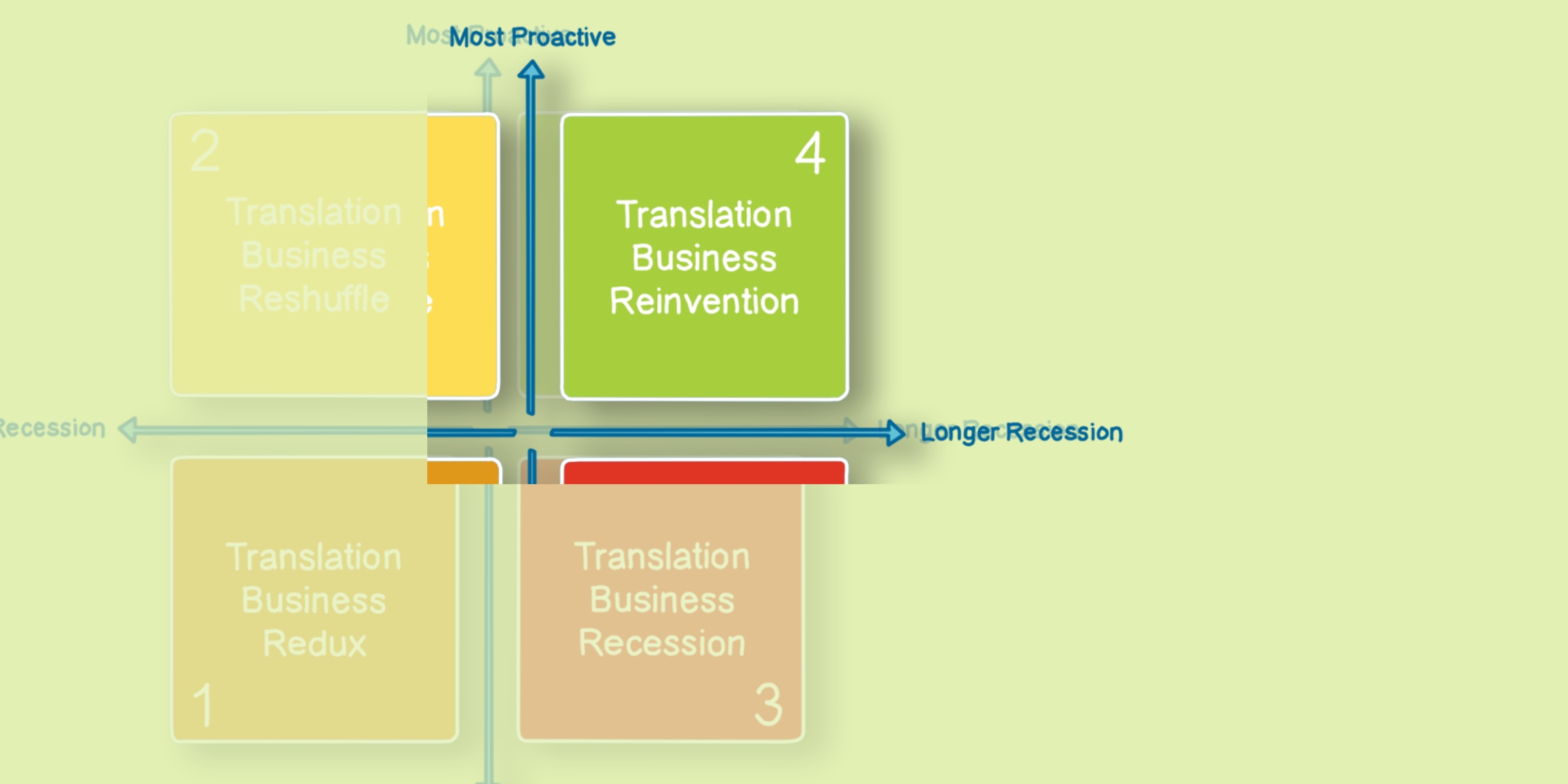
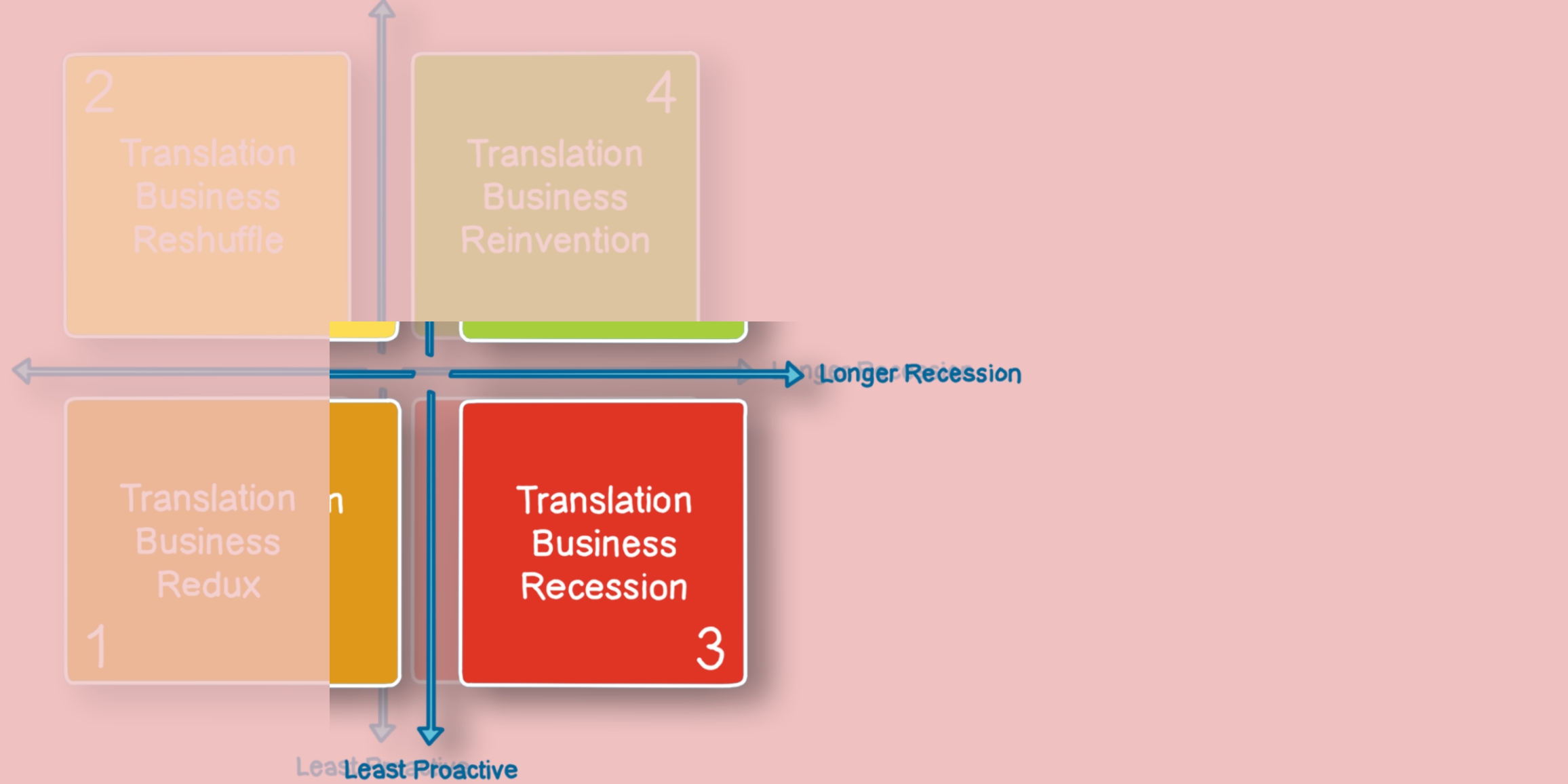
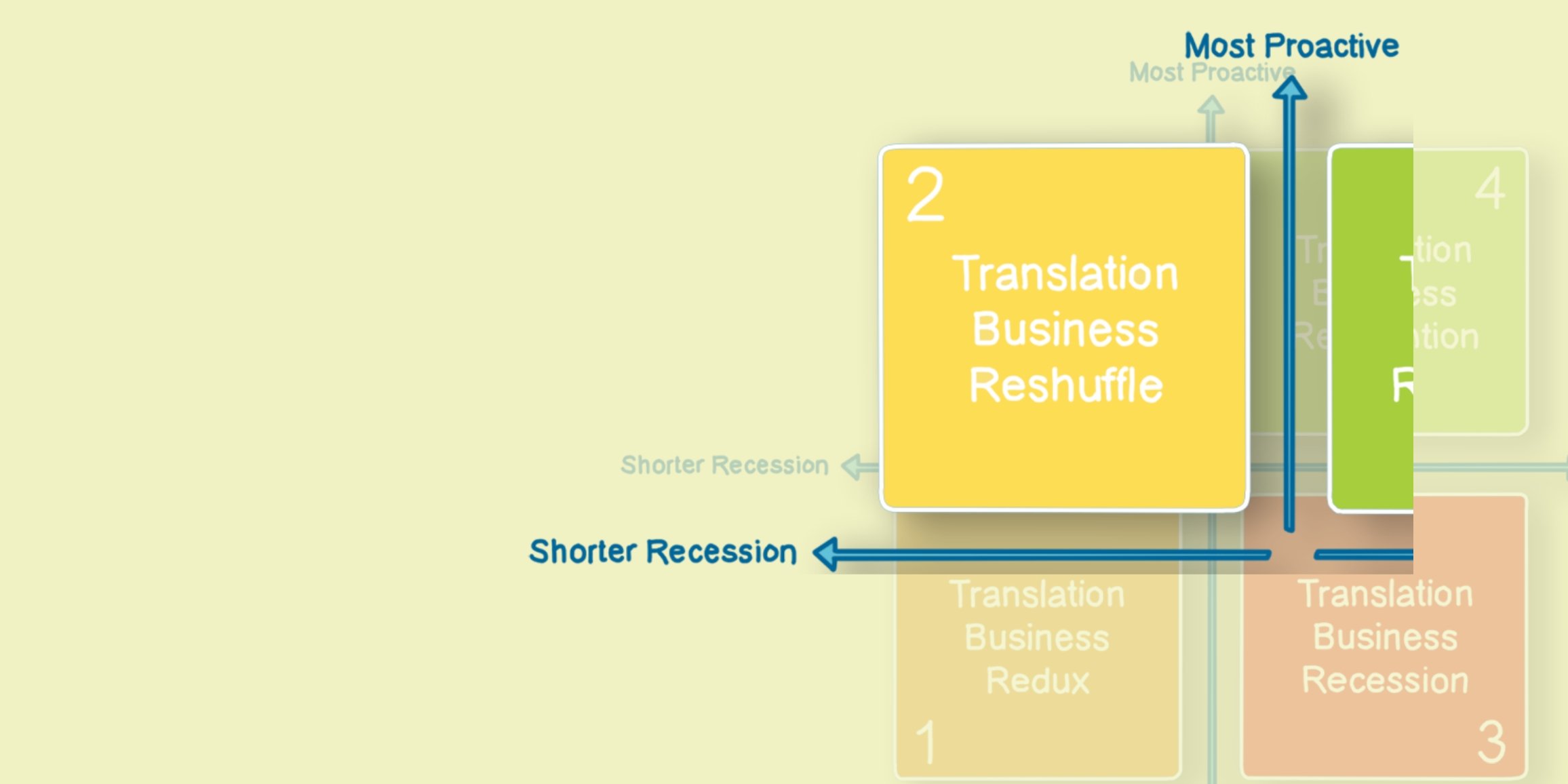
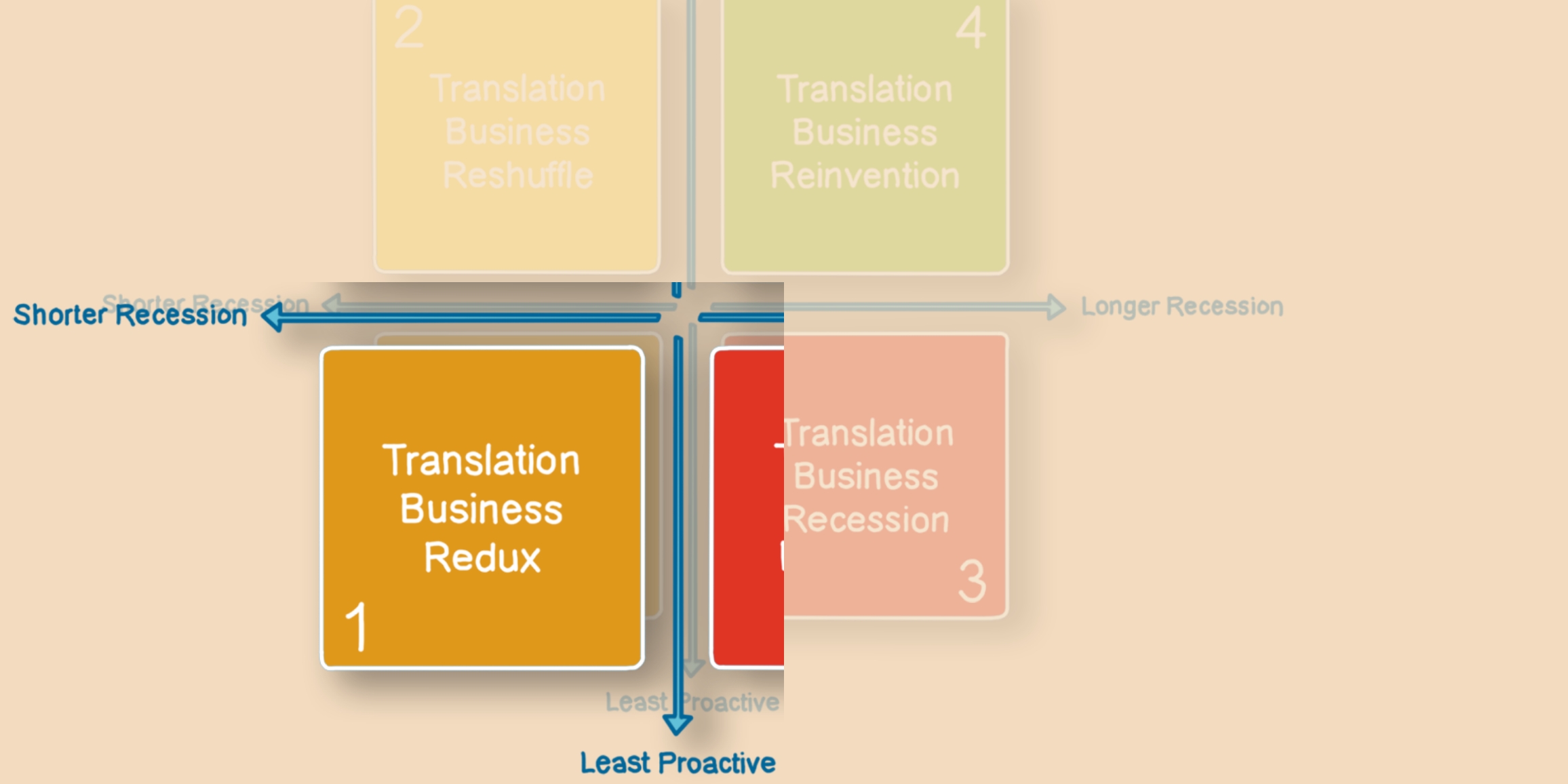
Two hundred people responded to our survey about the state of the translation industry in the summer of 2021. In this series, we will sequentially analyze each post-corona scenario: Redux, Reshuffle, Recession, Reinvention.
Two hundred people responded to our survey about the state of the translation industry in the summer of 2021. In this series, we will sequentially analyze each post-corona scenario: Redux, Reshuffle, Recession, Reinvention.
Two hundred people responded to our survey about the state of the translation industry in the summer of 2021. In this series, we will sequentially analyze each post-corona scenario: Redux, Reshuffle, Recession, Reinvention.
Two-hundred people responded to our survey about the state of the translation industry in the summer of 2021. In this series, we will sequentially analyze each post-corona scenario: Redux, Reshuffle, Recession, Reinvention.
What will be the post-corona situation for the translation industry: reshuffle, recession, redux or reinvention? You are invited as users and stakeholders in the global translation industry to vote on what you think is the most likely scenario for our industry in 2021.
TAUS has taken initiative to start a charity project where the language industry builds a medical corpora concerning the COVID-19 pandemic so that access to information is easier in many languages.
The essence of successful translation quality management is learning how to apply a mix of various evaluation methods that complement each other. Here are the three things that every quality manager should know.
After fifteen years at TAUS, Founder and Director Jaap van der Meer suggests that 2020 will be the roaring twenties of translation and reflects back on what has happened in the last fifteen years and makes suggestions for the future.
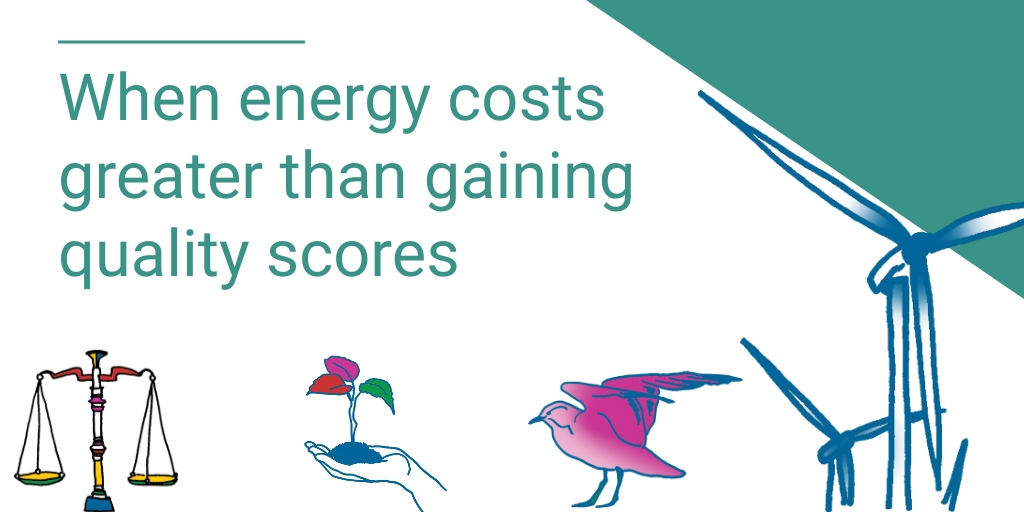
How much attention should the MT community using machine learning tech pay to their energy consumption? Is there a danger that in the long run, our language processing agenda will have a negative impact on our ecology? To answer this, we need to look at the facts.
Which factors and ratios need to be taken into account to set a World-Readiness Index as a standard way of measuring and benchmarking a company’s or organization’s success in engaging with their global audience?



 by Dace Dzeguze







 by Şölen Aslan